





Lizards
Sauria
Lizards are small, scaly reptiles that can be found in many places around the world. They come in many colors and can be very fast, making them fun to watch as they dart around!
Habitat: Forests
The Lizards group includes diverse reptiles, often recognized by their scales, four legs with claws (though some are legless), and often movable eyelids. Their skin comes in a vast array of colors and patterns, from muted browns to vibrant greens and iridescent blues, often camouflaging them with their surroundings.
Category
ReptilesRarity
Common
Danger
1/5 · Very low
Snaps
Be the first to snap!
A 'third eye' on top of some lizard's heads helps them detect light and shadows.
Some female lizards can lay eggs and hatch babies without a male partner!
Some lizards can squirt blood from their eyes to scare away predators!
The basilisk lizard can run across the surface of water, earning it the name "Jesus Christ lizard."
Lizards can drop their tails to escape predators, allowing them to flee while the wiggling tail distracts the attacker.
Lizards has special cells in their skin called chromatophores that help them change color rapidly to blend in or communicate.
Lizards can climb smooth surfaces because many species have tiny lamellae on their toes covered in microscopic hairs that create powerful grip.
Lizards has venom glands in some species that deliver a mild neurotoxin during a bite, helping them subdue prey or defend themselves.
Lizards eat insects, plants, or even smaller animals, making them adaptable hunters and foragers.
Age differences: Younger lizards often eat more insects, while adults may diversify into larger prey or plants.
Apis mellifera
Many lizards hunt and consume these flying insects.
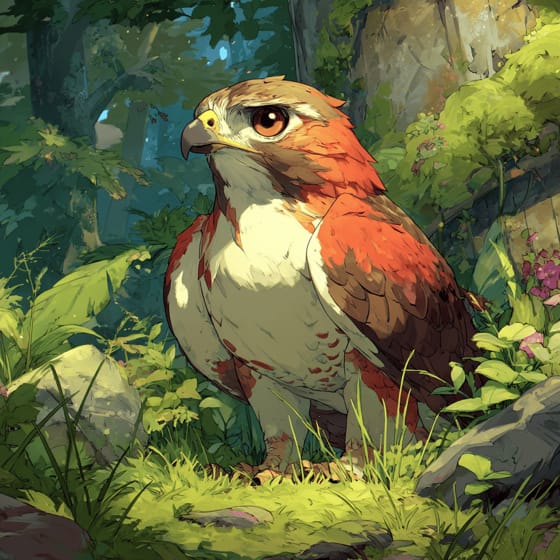
Buteo jamaicensis
A frequent avian predator of various lizard species.

Quercus alba
Provides climbing surfaces and hiding spots for arboreal lizards.
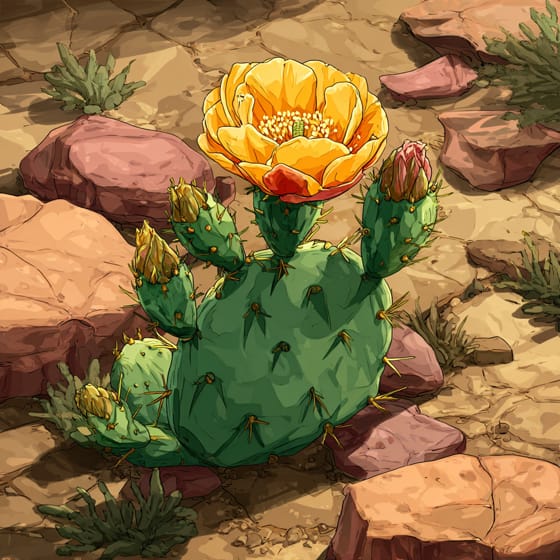
Opuntia ficus-indica
Provides food and water for many desert-dwelling herbivorous lizards.
Solitary animals live alone for most of their lives, only interacting with others for mating or parental care.
Arboreal animals live primarily in trees, utilizing them for shelter, food, and protection from predators.
Camouflaged describes organisms that possess coloring or patterns that allow them to blend into their environment.
Colorful describes organisms or objects displaying a wide range of bright and distinct colors.

This trait identifies organisms whose diet primarily consists of insects and other small invertebrates.

Forest habitats are terrestrial environments dominated by dense tree cover, supporting a high diversity of plant and animal life.

Diurnal animals are primarily active during daylight hours, typically resting or sleeping at night.
Regenerative organisms possess the ability to regrow lost or damaged body parts, tissues, or organs.

This trait identifies organisms that exhibit exceptional swiftness in movement for hunting, escape, or travel.
Danger
1/5 · Very low
Always watch lizards from a distance and don't try to catch them. They can be scared easily.
The easiest way to identify Lizards is to use the Snappit nature identifier app.
1.5-300 cm
0.0001-160 kg
2-50 years
35 km/h
Lizards eat insects, plants, or even smaller animals, making them adaptable hunters and foragers.
5 km/h
Forests
Zoom in to split clusters and explore where this object has been snapped.
Recent snaps will appear here as new observations are added.
.jpg)
Ústí nad Labem Region, CZ
You might spot Bears, South American Tapir, and Macaques.
View guide →
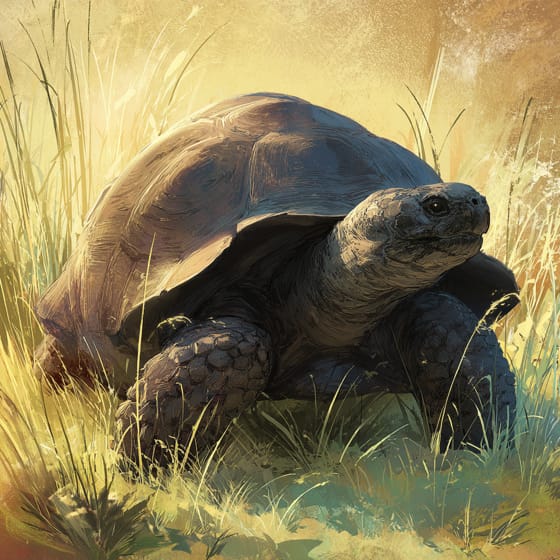
South Dakota, US
You might spot Aldabra Giant Tortoise and Saltwater Crocodile.
View guide →

Oregon, US
You might spot Great White Shark, Blue Spotted Stingray, and Octopus.
View guide →
Take the discovery with you
Snap it with Snappit to identify it, learn what makes it special, and add the discovery to your collection.












