




Tarantula
Theraphosa blondi
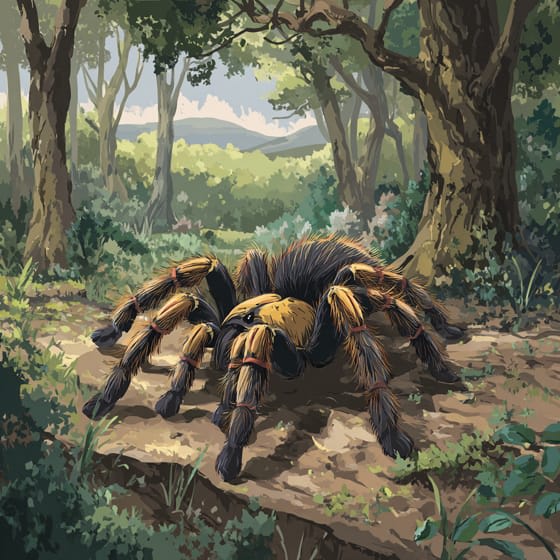
The Tarantula is a big, furry spider that can look a bit scary but is usually very gentle. They love to burrow and can live for many years!
Habitat: Tropical rainforests
The Tarantula is a very large, heavy-bodied spider covered in dense, fuzzy hairs that can range from dark brown to reddish-brown. Its formidable size and stocky legs make it visually distinct from smaller, sleeker spiders.
Category
InsectsRarity
Rare
Danger
2/5 · Low
Snaps
Be the first to snap!
A tarantula's venom is usually mild to humans, often feeling no worse than a bee sting.
Despite their intimidating name, most "birdeaters" mainly feast on insects and small reptiles.
Some tarantulas can make a loud hissing sound by rubbing their legs together to scare threats!
Tarantulas shed their entire exoskeleton, including fangs and eye coverings, to grow bigger!
Tarantula can flick irritating, barbed hairs from its abdomen that helps them deter predators.
Tarantula has the amazing ability to regrow lost legs and other appendages over several molts.
Tarantula can deliver a venomous bite using its powerful fangs that helps them subdue prey.
Tarantula can produce strong silk from spinnerets that helps them line burrows and create egg sacs.
Tarantulas are skilled hunters that mainly eat insects and other small creatures.
Age differences: Young tarantulas primarily eat smaller insects, while adults can tackle larger prey.
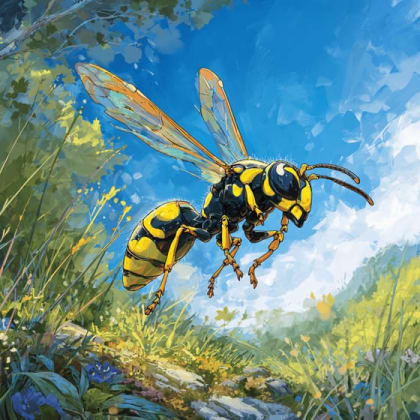
Pepsis formosa
Wasp paralyzes and lays eggs on tarantula.
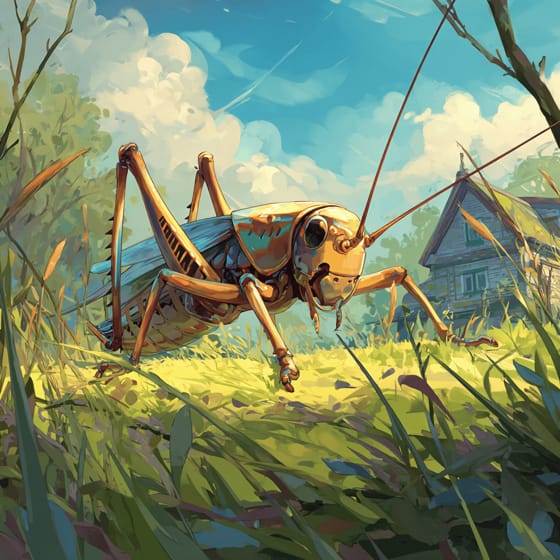
Acheta domesticus
A common prey item for many tarantula species.
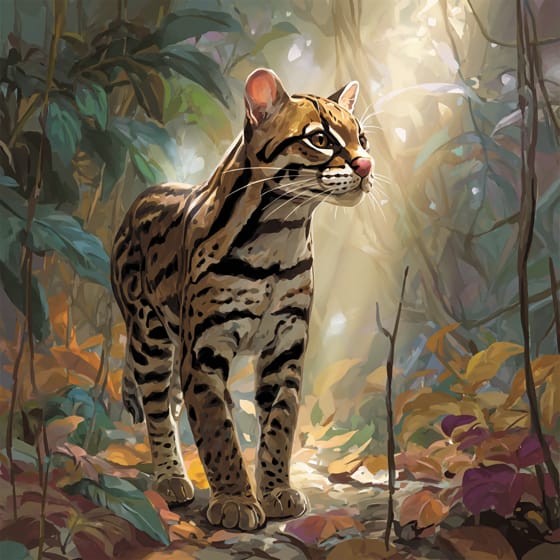
Leopardus pardalis
Large cats sometimes prey on tarantulas they find.
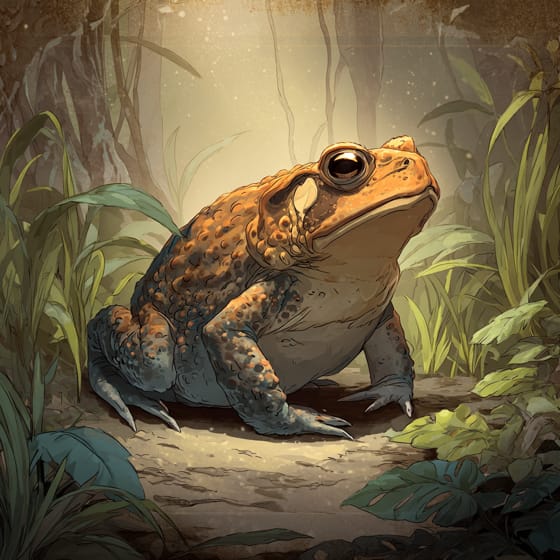
Rhinella marina
Can ambush and consume frogs that wander too close.
Wildlife encompasses all undomesticated animal and plant life existing in their natural habitats.
Furry describes animals possessing a dense covering of soft hair or fur.
Burrowing animals dig tunnels and chambers in the ground, using these subterranean structures for shelter, hunting, or breeding.
This trait identifies organisms whose diet primarily consists of insects and other small invertebrates.

This trait characterizes organisms with an exceptionally long lifespan compared to others of their kind.

This habitat trait refers to species found in tropical rainforests, characterized by high annual rainfall, high biodiversity, and dense tree cover.

Nocturnal animals are primarily active during the nighttime hours, typically resting or sleeping during the day.

Venomous organisms produce toxins that are injected into another animal, typically through a bite or sting.
No aliases listed yet.
Danger
2/5 · Low
Do not touch or pick up. Some insects sting or bite. Ask an adult for help.
90-120 mm
1095-9125 days
Tarantulas are skilled hunters that mainly eat insects and other small creatures.
Tropical rainforests
Ambush
8
Zoom in to split clusters and explore where this object has been snapped.
Recent snaps will appear here as new observations are added.