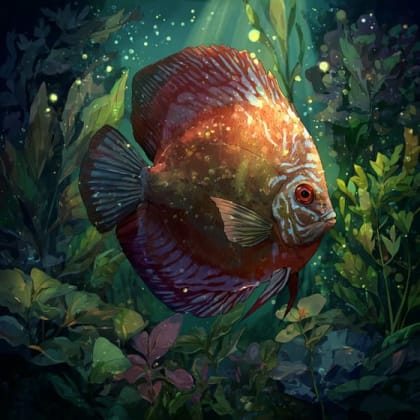
Tench
Tinca tinca
The Tench is a smooth, greenish fish that enjoys hiding in the mud. It's a peaceful fish that swims slowly!
Habitat: Ponds and lakes
The Tench has a thick, olive-green to golden-brown body with very small, smooth scales. It has distinct bright red-orange eyes and a small barbel at each corner of its mouth, setting it apart from many other freshwater fish.
Category
FishRarity
Rare
Danger
2/5 · Low
Snaps
Be the first to snap!
Female tench can lay hundreds of thousands of tiny green eggs in just one go!
Its bright red eyes glow, helping it spot food in the darkest, murkiest waters.
Tench are sometimes called 'doctor fish' because other fish rub against their slime!
Unlike most fish, tench can breathe air for a short time if caught out of water!
Tench has a thick mucus layer that helps them resist disease and parasites.
Tench can find food in murky water using sensitive barbels near its mouth like tiny feelers.
Tench can survive in water with low oxygen because of its unique blood and gill structure.
Tench can slightly change its skin color to better blend into the muddy lake bottom.
Tench are bottom-feeding omnivores that snack on tiny creatures and plants found in the mud.
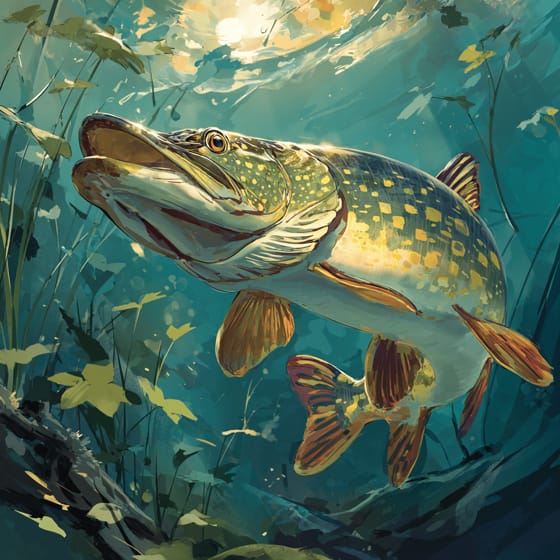
Esox lucius
A large fish predator.
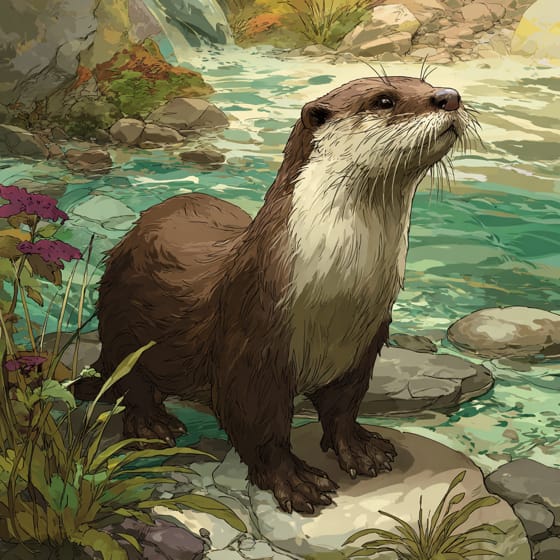
Lutra lutra
Hunts fish in freshwater.
Ardea cinerea
Wades to catch fish.
Chironomus plumosus
Feeds on mud-dwelling larvae.
Wildlife encompasses all undomesticated animal and plant life existing in their natural habitats.
Solitary animals live alone for most of their lives, only interacting with others for mating or parental care.
This trait identifies organisms whose diet includes both plant and animal matter.
This trait characterizes organisms with an exceptionally long lifespan compared to others of their kind.

Freshwater habitats include non-saline aquatic environments such as rivers, lakes, ponds, and wetlands, vital for numerous species.

Aquatic habitats encompass environments where organisms live predominantly in water, including oceans, rivers, lakes, and wetlands.
Danger
2/5 · Low
Watch quietly from a distance and never try to feed or chase wild animals.
20-70 cm
1-7.5 kg
10-20 years
Tench are bottom-feeding omnivores that snack on tiny creatures and plants found in the mud.
8 km/h
Ponds and lakes
Foraging
10 m
Zoom in to split clusters and explore where this object has been snapped.
Recent snaps will appear here as new observations are added.