


Greenland Shark
Somniosus microcephalus
The Greenland Shark is a mysterious sea creature that lives in the cold waters of the Arctic and North Atlantic. It's one of the slowest sharks, but can live for hundreds of years!
Habitat: Marine
The Greenland Shark is a large, robust shark with a blunt snout and strikingly small, often cloudy eyes. It typically has a greyish-brown to black coloration, often appearing mottled or scarred from its deep-sea life.
Category
FishRarity
Rare
Danger
2/5 · Low
Snaps
Be the first to snap!
It's nearly blind, relying on its strong sense of smell to hunt.
Its raw flesh is toxic but can be eaten after special preparation!
Many sharks have a glowing eye parasite attached to their cornea!
Scientists determine its age by studying specific parts of its eyes.
Greenland Shark can live over 500 years because of an extremely slow metabolism that helps them age at a glacial pace.
Greenland Shark can survive freezing Arctic waters because of special chemical compounds in its blood that act like natural antifreeze.
Greenland Shark has a unique chemical called urea in its body that helps it handle extreme pressure at crushing deep-sea depths.
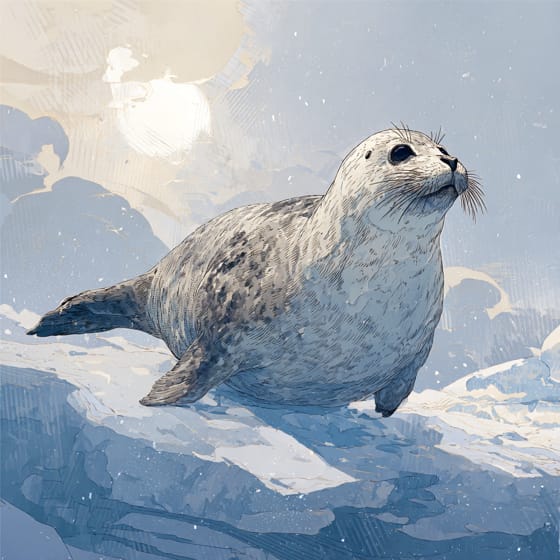
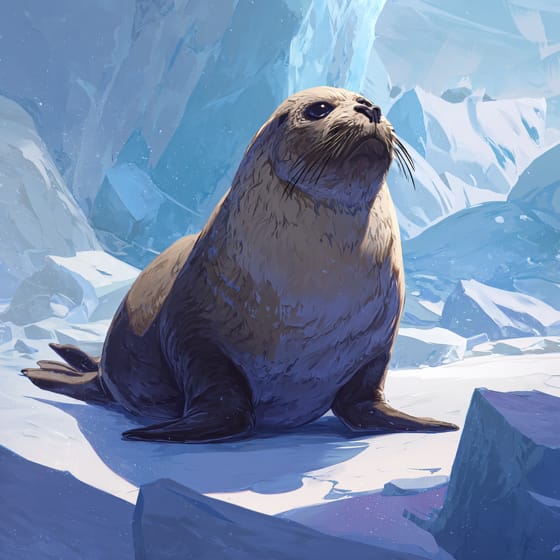
This slow-moving shark eats a variety of prey, mostly fish and seals, even hunting while 'asleep'!
Age differences: Young sharks eat smaller fish and invertebrates, while adults target larger fish and marine mammals.
Piscivorous organisms are animals that primarily subsist on a diet of fish.
Thermoregulating organisms maintain a stable internal body temperature despite fluctuations in the external environment.
This trait describes organisms that manipulate external objects to achieve a specific goal.
This trait signifies organisms belonging to a very old evolutionary group with ancestors dating back millions of years.

This trait characterizes organisms with an exceptionally long lifespan compared to others of their kind.

Aquatic habitats encompass environments where organisms live predominantly in water, including oceans, rivers, lakes, and wetlands.

Marine habitats encompass all saltwater environments of the Earth's oceans, supporting an immense diversity of aquatic life.

Nocturnal animals are primarily active during the nighttime hours, typically resting or sleeping during the day.

Venomous organisms produce toxins that are injected into another animal, typically through a bite or sting.
Danger
2/5 · Low
Greenland Sharks are not typically encountered by people, but if you see one, it's best to observe from a safe distance.
240-730 cm
250-1000 kg
272-500 years
This slow-moving shark eats a variety of prey, mostly fish and seals, even hunting while 'asleep'!
2 km/h
Marine
Ambush
2200 m
Zoom in to split clusters and explore where this object has been snapped.
Recent snaps will appear here as new observations are added.