Russian Tortoise
Testudo horsfieldii
The Russian Tortoise is a small tortoise with a hard shell and a friendly personality. They love to eat plants and can often be found basking in the sun!
Habitat: Grasslands and rocky areas
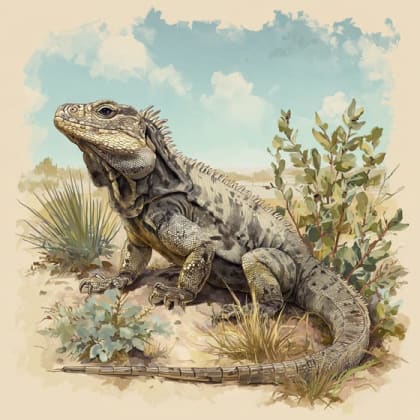
The Russian Tortoise has a flattened, roundish shell in shades of brown, tan, or olive, often with darker markings. It has four distinct claws on each sturdy, unwebbed foot, and a short tail. Its small, dark eyes are set in a compact head.
Category
ReptilesRarity
Common
Danger
2/5 · Low
Snaps
Be the first to snap!
Russian Tortoises make cozy underground burrows up to 6 feet long!
These ancient reptiles can outlive your grandparents!
They can survive super hot summers by 'aestivating' – a long, deep sleep!
Unlike most turtles, they have only four claws on each short, stout foot!
It has a tough, domed shell that protects it from predators by allowing it to completely hide its head and legs.
Russian Tortoises can get all the water they need from the plants they eat, thriving in dry, arid lands.
This tortoise can enter a deep sleep called hibernation underground to survive long, cold winters without food.
They are herbivores that munch on a variety of plants, flowers, and grasses.
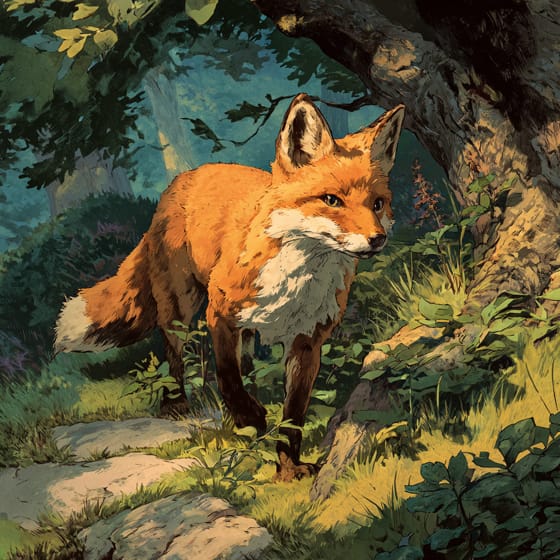
Vulpes vulpes
Preys on eggs and hatchlings.
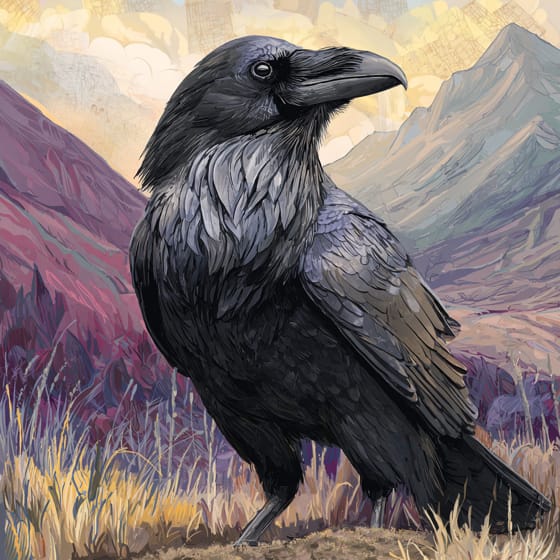
Corvus corax
Steals tortoise eggs and young.
Taraxacum officinale
A favorite food source.
Wildlife encompasses all undomesticated animal and plant life existing in their natural habitats.
Solitary animals live alone for most of their lives, only interacting with others for mating or parental care.
Burrowing animals dig tunnels and chambers in the ground, using these subterranean structures for shelter, hunting, or breeding.
Grassland habitats are terrestrial biomes dominated by grasses and herbaceous plants, supporting a variety of grazing animals.

This trait characterizes organisms whose diet consists entirely or primarily of plant material.

This trait characterizes organisms with an exceptionally long lifespan compared to others of their kind.

Armored describes animals protected by a hard, external covering or shell for defense.
Danger
2/5 · Low
Look but don’t touch. Keep a safe distance and wash hands after exploring.
15-25 cm
0.5-2.5 kg
40-50 years
0.5 km/h
They are herbivores that munch on a variety of plants, flowers, and grasses.
Grasslands and rocky areas
Foraging
1-5
Zoom in to split clusters and explore where this object has been snapped.
Recent snaps will appear here as new observations are added.