
African Elephant
Śląski Ogród Zoologiczny, nestled within the expansive Silesian Park in Chorzów, stands as a vibrant beacon for wildlife enthusiasts and a cornerstone of conservation in Poland.
Śląski Ogród Zoologiczny, nestled within the expansive Silesian Park in Chorzów, stands as a vibrant beacon for wildlife enthusiasts and a cornerstone of conservation in Poland. As one of the largest zoos in the country, spanning nearly 48 hectares, it offers a sprawling natural environment for its diverse inhabitants and an immersive experience for visitors. More than just an animal exhibition, the zoo is dedicated to the preservation of endangered species, scientific research, and extensive educational programs, making it a crucial institution for both regional and global biodiversity efforts.
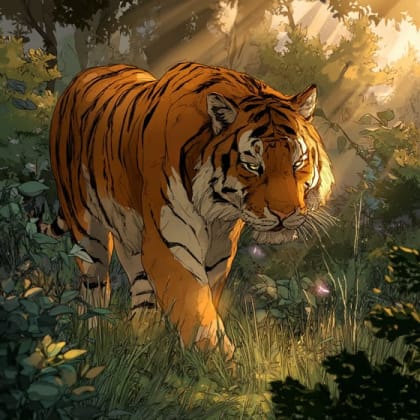
The zoo boasts an impressive collection of almost 3,000 animals representing over 300 species, ranging from the majestic African elephants and powerful Siberian tigers to the charming Humboldt penguins, which recently returned to the zoo after decades. Visitors can marvel at graceful giraffes, formidable rhinoceroses, and swift cheetahs, or explore the rich aquatic life in the Aquarium and the fascinating world of reptiles and amphibians in the Exotarium. The unique Dinosaur Valley, featuring full-scale reconstructions of prehistoric creatures, adds an exciting historical dimension to the wildlife journey.
A visit to Śląski Ogród Zoologiczny is an unforgettable adventure for all ages. Its meticulously designed habitats and thematic routes provide not only entertainment but also invaluable educational insights into the animal kingdom. With ongoing developments and a strong commitment to animal welfare and visitor experience, the zoo offers a memorable day out, fostering a deeper connection with nature and inspiring a passion for wildlife conservation. Don't forget to bring the Snappit nature identification app along to scan local species.
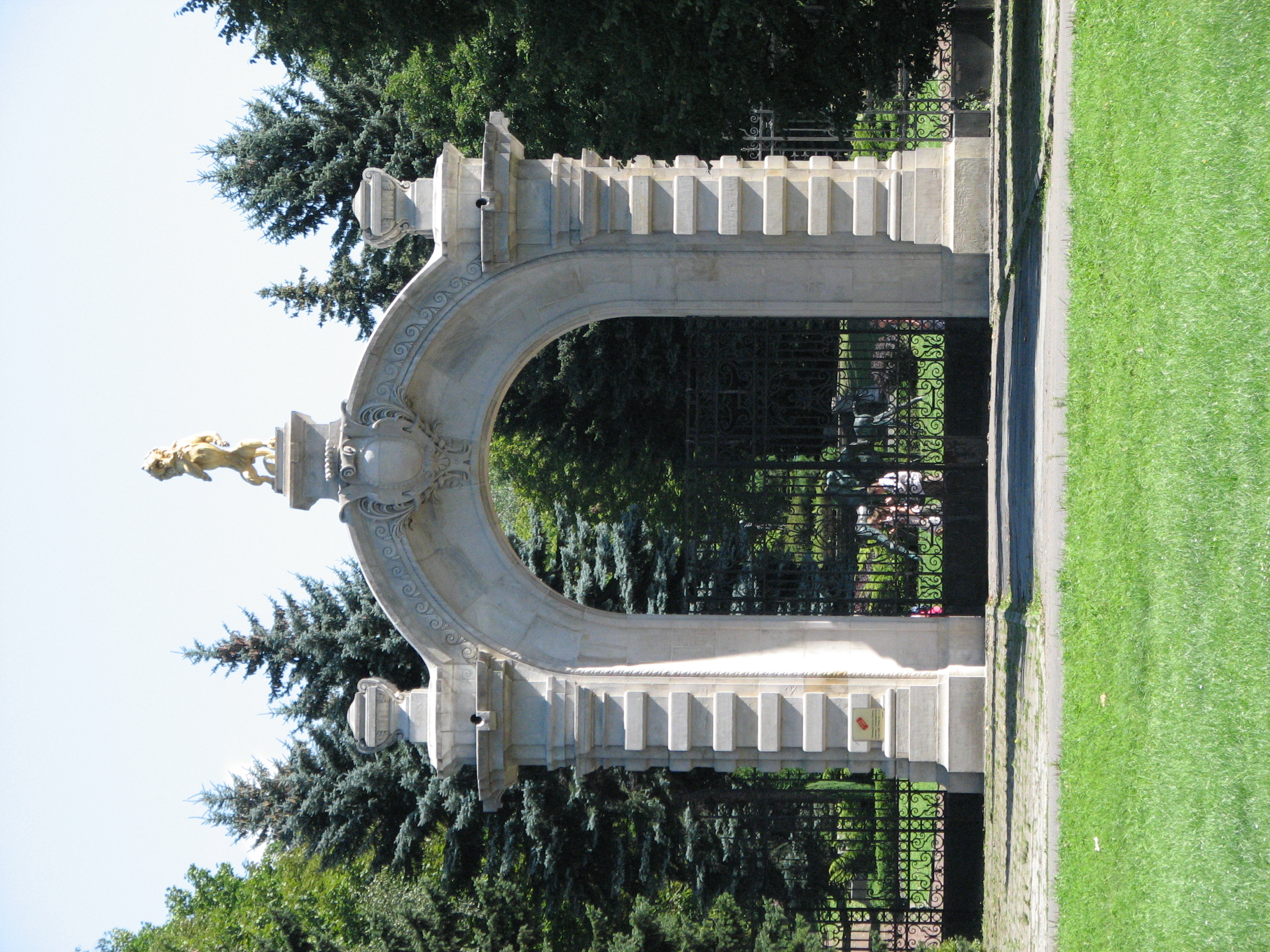
The history of Śląski Ogród Zoologiczny is deeply intertwined with the development of the broader Silesian Park (formerly Wojewódzki Park Kultury i Wypoczynku). Plans for its creation emerged in 1953, with construction commencing in 1954. The zoo officially opened its gates in 1958, consolidating animal collections from smaller, pre-existing zoos in Bytom and Katowice to form a single, comprehensive facility. A notable historical feature is the iconic entrance gate, which originally belonged to the Donnersmarck family palace complex in Świerklaniec. Over the years, the zoo has continuously expanded and modernized its infrastructure. A unique addition in 1975 was the Dinosaur Valley, showcasing concrete reconstructions of 16 dinosaurs based on fossils discovered by Polish paleontologists in the Gobi Desert.
Explore the various animal habitats, follow the marked thematic trails, enjoy educational displays, and visit the Mini Zoo for closer interactions with gentler animals. Keep an eye out for feeding times, particularly for the penguins, as it offers a dynamic viewing experience.
In winter, the zoo remains open, with indoor pavilions providing warm viewing opportunities. Spring and summer often feature special events like "Bee Day" and offer ideal conditions for outdoor walks and picnics.
Śląski Ogród Zoologiczny is committed to accessibility, featuring a wide entrance gate for visitors using wheelchairs and paved paths throughout. Many buildings, including the Exotarium, Aquarium, and the Rhino building, are equipped with ramps and/or lifts to overcome architectural barriers. Information boards near enclosures often include QR codes, allowing for electronic access to species information.
Don't miss the African elephant enclosure, the Humboldt penguin habitat with its large outdoor pool, the impressive Siberian tigers, and the playful lemurs. The Exotarium and Aquarium offer fascinating indoor experiences, while the Dinosaur Valley is a unique attraction with its life-sized reconstructions. Pavilions for giraffes, rhinoceroses, and cheetahs are also popular.
Each card links to a full Explore page with photos, traits, and fun facts.
Start with the big picture, then zoom in to explore individual wildlife observations around this place.
Check online beforehand
Always verify the current opening hours and ticket prices on the official website, as they vary seasonally.
Wear comfortable shoes
The zoo is very large, so be prepared for a lot of walking.
Consider a stroller
For families with young children, a stroller or carrier is highly recommended to cover the extensive grounds.
Grab a map or use the app
Utilize the zoo's map or mobile application to navigate efficiently and follow specific thematic routes, ensuring you don't miss any key attractions.
Plan for popular animal feeding times
Check the schedule for animal feedings, especially for popular species like penguins, to enhance your viewing experience.
Parking
The zoo does not have its own dedicated parking. Visitors should use the paid parking facilities available within Silesian Park, with the nearest often located near Aleja Dojazdowa or ul. Złota.
Recent snaps will appear here as new observations are added.

Michigan, US
You might spot African Lion, Komodo Dragon, and Brown Bear.
View guide →
.jpg)
Municipal District of Cobh, IE
You might spot Ring-Tailed Lemur, Giraffes, and Cheetahs.
View guide →

Nouvelle-Aquitaine, FR
You might spot Greater Flamingo, Giraffes, and Red Panda.
View guide →

Texas, US
You might spot Giraffes, African Lion, and Eastern Black Rhinoceros.
View guide →
Take the discovery with you
Identify the wildlife you spot, learn as you go, and keep a collection of the adventure.