Blue Vervain
Verbena hastata
Blue Vervain has tall stems with tiny purple flowers that attract butterflies. It loves to grow near water!
Habitat: Wet meadows and stream banks
The Blue Vervain is a tall, slender plant with sturdy square stems and lance-shaped, toothed leaves. It has numerous spikes of tiny, violet-blue to purple flowers that bloom from the bottom up, creating a distinctive bottle-brush appearance.
Category
PlantsRarity
Rare
Danger
1/5 · Very low
Snaps
6
Ancient cultures believed Blue Vervain had magical powers of protection!
Indigenous peoples traditionally used Blue Vervain for various herbal remedies.
Its unique square stem is an easy way to identify this plant.
The tiny seeds are a favorite snack for many hungry songbirds!
Blue Vervain can tolerate wet conditions, helping it thrive in damp soils where many other plants struggle to grow.
Blue Vervain has nectar-rich flowers that attract a wide variety of bees and butterflies, ensuring its reproduction.
Blue Vervain's flower spikes bloom progressively from bottom to top, extending its flowering period to attract pollinators longer.
Apis mellifera
Drinks nectar from its small flowers
Bombus impatiens
Feeds on its nectar and pollen
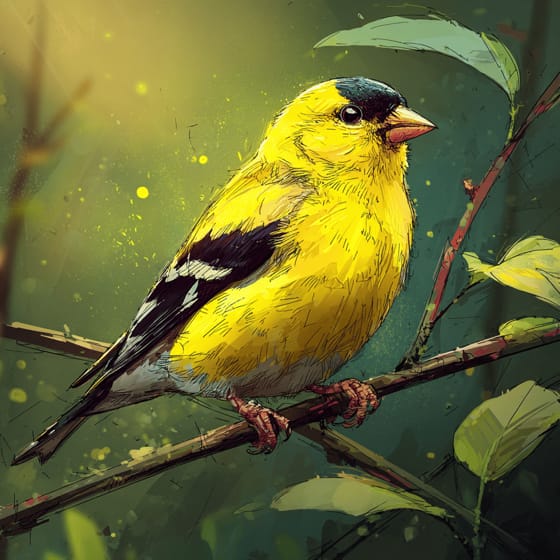
Carduelis tristis
Feeds on its small, abundant seeds
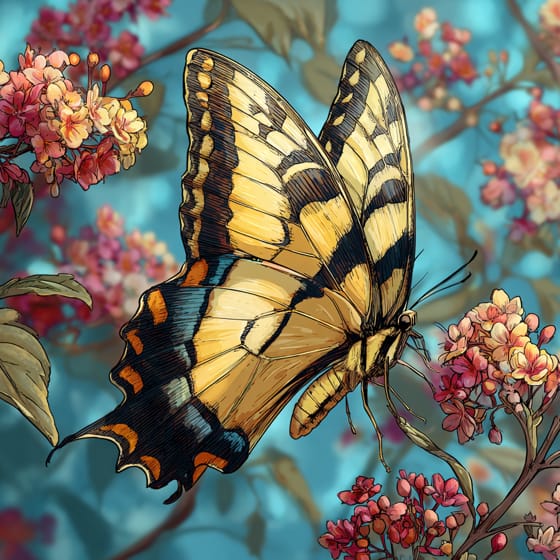
Papilio glaucus
Nectars on its vibrant blue blooms
Cluster flowers are inflorescences where individual flowers are arranged closely together on a common stem.
Spring blooming plants produce their flowers during the spring season, often signifying the end of winter and the start of new growth.
Fragrant flowers emit a pleasant aroma, often to attract pollinators or for defense.
This habitat trait identifies species found in wetlands, which are areas of land saturated with water, either permanently or seasonally, including marshes, swamps, and bogs.
Danger
1/5 · Very low
Explore with care and ask an adult if you’re unsure what to do.
100-180 cm
30-60 cm
0.3-0.6 cm
Summer to Early Fall
Yes
None
Perennial
Insect
Zoom in to split clusters and explore where this object has been snapped.
.JPG)
Massachusetts, US
You might spot Virginia Bluebells and Great Golden Digger Wasp.
View guide →
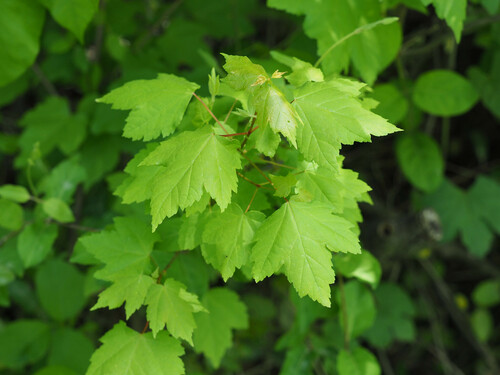
New York, US
You might spot Red Maple, Black Tupelo, and Sensitive Fern.
View guide →

Quebec, CA
You might spot Double-Crested Cormorant, Rock Pigeon, and Wild Bergamot.
View guide →
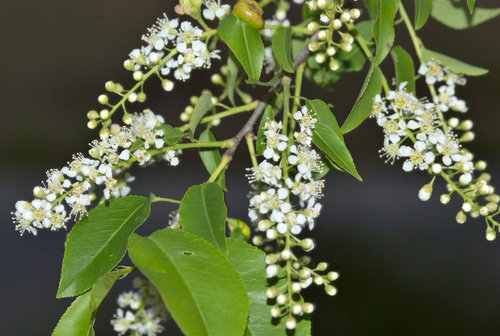
New York, US
You might spot Black Cherry and Allegheny Mountain Dusky Salamander.
View guide →

Illinois, US
You might spot Canada Goose, Common Milkweed, and Wild Bergamot.
View guide →
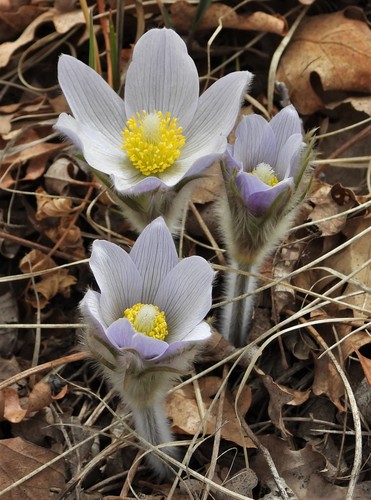
South Dakota, US
You might spot Prairie Pasqueflower and Common Buckthorn.
View guide →