Canada Goose

Ping Tom Memorial Park is a distinctive 17.
Ping Tom Memorial Park is a distinctive 17.4-acre urban oasis nestled along the South Branch of the Chicago River, offering a serene escape within Chicago's vibrant Chinatown. Transformed from a former railroad yard, this unique park blends traditional Chinese landscape design elements with striking views of the city skyline and verdant green spaces. It serves as a vital community hub, providing both tranquil beauty and a rich array of recreational activities.
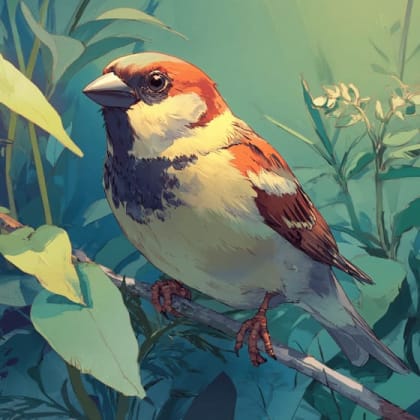
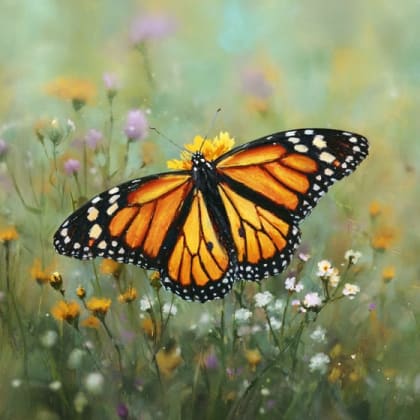
The park boasts a variety of attractions, including a picturesque pagoda-style pavilion, a modern boathouse offering kayak rentals, and charming bamboo gardens. Visitors can stroll along the scenic riverwalk, which features a 300-linear-foot boardwalk with iconic red Chinese ornamental railings, and enjoy landscaped terraces. The park's naturalized shoreline incorporates native emergent species, playing a role in cleansing the Chicago River and creating habitat for aquatic life. For wildlife enthusiasts, the park and its natural area are home to diverse species, including birds like the Canada Goose, Mallard, American Robin, House Sparrow, and European Starling, as well as insects such as the Large Milkweed Bug and the iconic Monarch butterfly. The natural areas also feature native plants like common milkweed, wild bergamot, New England aster, and prairie dock, supporting local biodiversity.
Ping Tom Memorial Park is more than just a green space; it's a testament to community vision and cultural heritage. Its thoughtful design, which includes the "Four Dragon Gateway" entrance and murals under the 18th Street Bridge, provides a peaceful yet engaging environment. Whether you're seeking a quiet moment by the river, an active paddle on the water, or a vibrant cultural experience, the park offers a memorable blend of natural beauty, recreational opportunities, and a deep connection to Chinatown's rich history. It's a place where the city's hustle fades, replaced by the gentle sounds of nature and the architectural beauty of its Chinese-inspired features. Wondering what that bird or insect is? Find out on your visit using the Snappit nature app.
Ping Tom Memorial Park's history is rooted in a significant community need. In 1962, the construction of the Dan Ryan Expressway led to the demolition of Chinatown's only two parks, leaving the community without local green space for decades. The Chicago Park District acquired the initial 12-acre site in 1991, which was formerly a Chicago and Western Indiana Railroad yard. The park is named in honor of Ping Tom (1935–1995), a prominent Chinatown civic leader and businessman who was instrumental in advocating for the park's creation and the overall development of Chinatown. His vision helped transform the former rail yard into a beloved green space, with the first phase of the park opening in 1999. Subsequent expansions, including the addition of a boathouse in 2013 and the LEED Platinum certified Leonard M. Louie Fieldhouse, further enriched the park, providing extensive recreational facilities and enhancing its role as a cultural and natural landmark.
Take a scenic walk or jog along the river.
Enjoy kayaking or paddleboarding (seasonal rentals available).
Relax on benches and observe river traffic, including Wendella water taxis.
Photography, especially of the skyline, architecture, and wildlife.
Attend cultural events, concerts, or performances (seasonal, check park district schedule).
Birdwatching – look for Canada Geese, Mallards, and American Robins.
Discover native plants like common milkweed and wild bergamot in the natural areas.
Spring: Witness blooming native plants like wild bergamot and the return of migratory birds.
Summer: Peak season for water activities (kayaking, water taxi), outdoor concerts, and events like the Chinese Dragon Boat Race for Literacy. Monarch butterflies and Large Milkweed Bugs are active.
Fall: Enjoy cooler weather and autumn foliage. Look for New England aster in bloom.
Winter: The park offers a quieter, serene atmosphere with stark views of the river and city.
The main pathways are paved and suitable for strollers and wheelchairs. The natural area features paved paths and elevated boardwalks for scenic river views. The Leonard M. Louie Fieldhouse is a modern, accessible facility with a swimming pool, gymnasium, and fitness center.
Pagoda-style pavilion and surrounding bamboo gardens.
Riverwalk and boardwalk with views of the Chicago skyline and historic bridges.
Boathouse for kayak and boat rentals (seasonal).
"Four Dragon Gateway" entrance.
Each card links to a full Explore page with photos, traits, and fun facts.
Start with the big picture, then zoom in to explore individual wildlife observations around this place.
Arrive by Water Taxi
For a unique and scenic approach, consider taking the Wendella Water Taxi (seasonal) directly to the park.
Combine with Chinatown Exploration
The park is a perfect complement to a visit to Chinatown. Enjoy dim sum or explore the shops on Wentworth Avenue before or after your park visit.
Check Event Schedules
The park frequently hosts events, from concerts to dragon boat races. Check the Chicago Park District or Ping Tom Park Advisory Council websites for upcoming activities.
Visit the Natural Area
Explore the Ping Tom Natural Area for a more immersive nature experience, featuring native prairie and wetland habitats and elevated boardwalks.
Bring Sun Protection & Water
Especially during summer, remember sunscreen, hats, and plenty of water, as many areas are open.
Kayaking in the Morning
If you plan to kayak, mornings on weekdays tend to be calmer with less river traffic, ideal for beginners.
Mar 3, 2026
Mar 3, 2026
Mar 3, 2026
Feb 27, 2026
Feb 25, 2026

Maryland, US
You might spot White-Tailed Deer and Eastern Gray Squirrel.
View guide →
.jpg)
District of Columbia, US
You might spot Eastern Gray Squirrel, Duck, and House Sparrow.
View guide →

Illinois, US
You might spot American Robin, Canada Goose, and House Sparrow.
View guide →

Virginia, US
You might spot Spotted Lanternfly and Northern Cardinal.
View guide →
Take the discovery with you
Identify the wildlife you spot, learn as you go, and keep a collection of the adventure.