Common Green Darner
Anax junius
The Common Green Darner is a large dragonfly that can be seen flying over ponds. They are fast and colorful!
Habitat: Ponds and wetlands
The Common Green Darner is a large dragonfly with a bright green thorax and a long, stout abdomen that is typically blue in males and greenish-brown in females. Its clear wings have a distinctive dark spot near the tip of each wing, making it easily recognizable.
Category
InsectsRarity
Common
Danger
2/5 · Low
Snaps
3
Dragonflies existed on Earth before dinosaurs roamed.
Each of their four wings can move in a different direction!
Their babies live underwater for up to two years!
They catch and eat other insects in mid-air with their legs.
Common Green Darner can fly forward, backward, hover, and even upside down because of its independently moving wings, that helps them hunt prey.
Common Green Darner has huge compound eyes that cover most of its head, giving it nearly 360-degree vision, which helps them spot tiny insects.
Common Green Darner can migrate hundreds of kilometers south for winter because of their strong flight muscles, that helps them find warm climates.
They are aerial insect hunters, snatching other bugs right out of the sky!
Age differences: Nymphs live underwater and eat aquatic insects, tadpoles, and small fish.
Culex pipiens
helps control mosquito populations
Musca domestica
catches them in mid-air
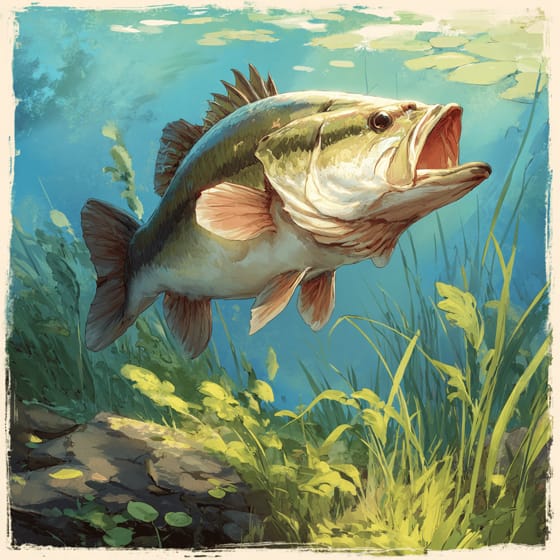
Micropterus salmoides
nymphs are prey for this fish
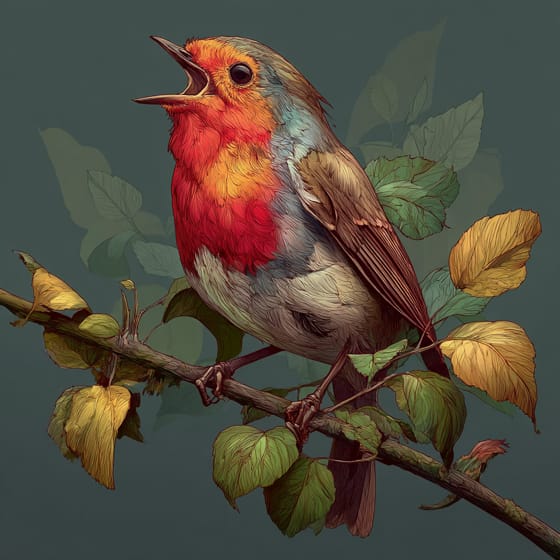
Turdus migratorius
adults are sometimes caught by birds
Wildlife encompasses all undomesticated animal and plant life existing in their natural habitats.
This trait identifies organisms whose diet primarily consists of insects and other small invertebrates.
Diurnal animals are primarily active during daylight hours, typically resting or sleeping at night.
Freshwater habitats include non-saline aquatic environments such as rivers, lakes, ponds, and wetlands, vital for numerous species.

This trait identifies organisms that exhibit exceptional swiftness in movement for hunting, escape, or travel.

Migratory animals undertake seasonal movements from one region to another, typically in response to changes in climate or food availability.
Danger
2/5 · Low
Do not touch or pick up. Some insects sting or bite. Ask an adult for help.
80-110 mm
68-80 mm
50-60 days
58 km/h
They are aerial insect hunters, snatching other bugs right out of the sky!
Ponds and wetlands
Pursuit
6
Zoom in to split clusters and explore where this object has been snapped.

North Dakota, US
You might spot Red Fox, Gray Wolf, and Equus Africanus Asinus.
View guide →

Louisiana, US
You might spot Aurelia Aurita, Sea Turtle, and African Penguin.
View guide →
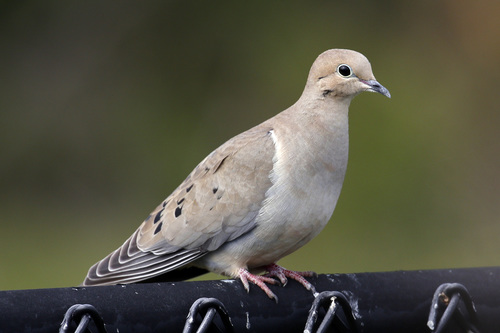
South Dakota, US
You might spot Mourning Dove, Vulture, and Woodhouse's Toad.
View guide →