





Atlas Beetle
Atlas beetle
The Atlas Beetle is known for its huge horns, which look like a superhero's mask! They are strong and can lift objects many times their weight.
Habitat: Tropical forests
The Atlas Beetle is a large, impressive insect with a glossy, metallic green-black exoskeleton. Males are distinguished by three massive, curving horns on their head and thorax, which they use to wrestle rivals. Females are smaller and lack these prominent horns.
Category
InsectsRarity
Rare
Danger
2/5 · Low
Snaps
Be the first to snap!
Atlas Beetles are so strong, they can push obstacles up to 850 times their own body weight!
Male Atlas Beetles are named after the Greek Titan Atlas, who held up the sky!
Their larvae are massive grubs that can be as big as a child's finger, living underground for years!
These beetles can make a loud squeaking sound by rubbing parts of their body together when they feel threatened!
Atlas Beetles have three massive horns that help them wrestle rival males for mates or prime feeding spots.
Atlas Beetles possess incredible strength, allowing them to lift objects many times their own body weight to clear obstacles.
Atlas Beetles can fly powerfully, protected by their hard, metallic exoskeletons that shield them from bumps and predators.
Adult Atlas Beetles sip sweet tree sap and fruit, while their larvae munch on rotting wood.
Age differences: Larvae are detritivores, feeding on decaying wood, while adults consume tree sap and ripe fruit.
Macaca fascicularis
Monkeys opportunistically prey on adult beetles.
Durio zibethinus
Adults feed on sap and fallen fruit from these trees.
Strix seloputo
Nocturnal owls hunt flying adult beetles.
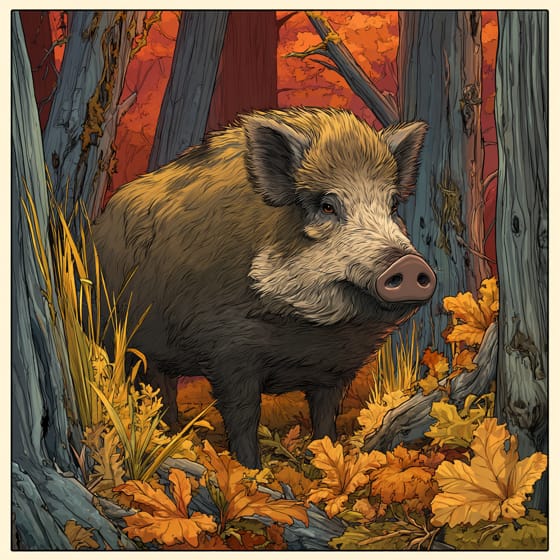
Sus scrofa
Boars dig up and consume large beetle larvae in soil.
Wildlife encompasses all undomesticated animal and plant life existing in their natural habitats.
Characterized by having one or more hard, permanent, pointed projections on the head.
This trait characterizes organisms whose diet consists entirely or primarily of plant material.
This trait characterizes organisms with an exceptionally long lifespan compared to others of their kind.
This habitat trait refers to species found in tropical rainforests, characterized by high annual rainfall, high biodiversity, and dense tree cover.

Armored describes animals protected by a hard, external covering or shell for defense.

Nocturnal animals are primarily active during the nighttime hours, typically resting or sleeping during the day.

Describes organisms that transfer pollen, enabling the fertilization and reproduction of plants.
No aliases listed yet.
Danger
2/5 · Low
Do not touch or pick up. Some insects sting or bite. Ask an adult for help.
The easiest way to identify Atlas Beetle is to use the Snappit nature identifier app.
150-250 mm
50-130 mm
60-120 days
18 km/h
Adult Atlas Beetles sip sweet tree sap and fruit, while their larvae munch on rotting wood.
Tropical forests
Foraging
Zoom in to split clusters and explore where this object has been snapped.
Recent snaps will appear here as new observations are added.
Take the discovery with you
Snap it with Snappit to identify it, learn what makes it special, and add the discovery to your collection.









.jpg&width=800)




