






Dogwood Shrub
Hyalophora cecropia
Dogwood Shrub is a small bush that produces lovely flowers in spring. It can be found in gardens and parks!
Habitat: Woodlands and gardens
The Dogwood Shrub has vibrant red stems, especially prominent in winter, and oval green leaves that often turn reddish-purple in fall. Its small, yellowish-white flowers grow in dense clusters, sometimes surrounded by large, showy white or pink petal-like bracts.
Category
PlantsRarity
Common
Danger
1/5 · Very low
Snaps
Be the first to snap!
Its showy 'petals' are actually modified leaves called bracts, not true flower petals!
Native Americans once used its incredibly tough wood to craft arrows and tools!
Some dogwood varieties have such brilliant red stems, they look like fire in the winter snow!
The berries, though often bitter to humans, are a feast for many birds and small mammals!
Dogwood Shrub can change its bark color to vivid red in winter, providing beauty and attracting attention even during the cold season.
Dogwood Shrub produces bright red or white berries that offer crucial food for many birds and wildlife, aiding seed dispersal.
Dogwood Shrub has a strong, spreading root system that helps prevent soil erosion along stream banks and slopes.
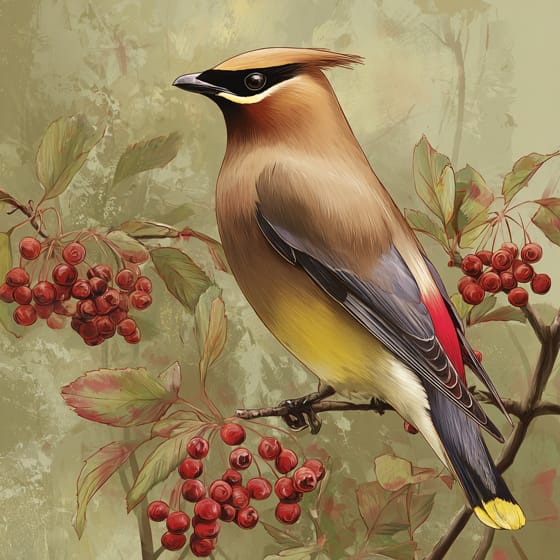
Bombycilla cedrorum
consumes its berries
Ursus americanus
forages on its fruit
Apis mellifera
collects nectar and pollen
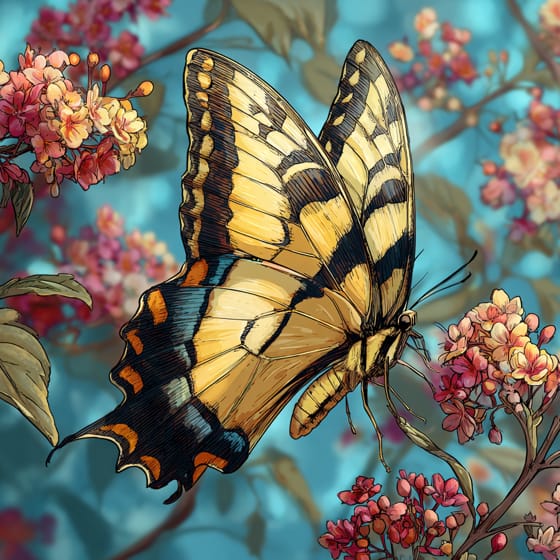
Papilio glaucus
visits flowers for nectar
Deciduous plants periodically shed all their leaves, typically during autumn or dry seasons.
Flowering plants are any plants that produce flowers as part of their reproductive cycle.
A shrub is a woody plant smaller than a tree, typically with multiple stems branching from or near the ground.
Spring blooming plants produce their flowers during the spring season, often signifying the end of winter and the start of new growth.

Fragrant flowers emit a pleasant aroma, often to attract pollinators or for defense.

Forest habitats are terrestrial environments dominated by dense tree cover, supporting a high diversity of plant and animal life.
Danger
1/5 · Very low
Explore with care and ask an adult if you’re unsure what to do.
100-300 cm
100-400 cm
0.5-1.5 cm
Spring
No
Mild
Perennial
Insect
Zoom in to split clusters and explore where this object has been snapped.
Recent snaps will appear here as new observations are added.
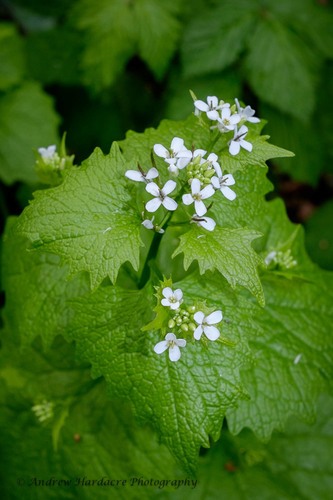
Virginia, US
You might spot Garlic Mustard, Violets, and Wineberry.
View guide →

Washington, US
You might spot Rock Pigeon, American Crow, and Dogwood Shrub.
View guide →
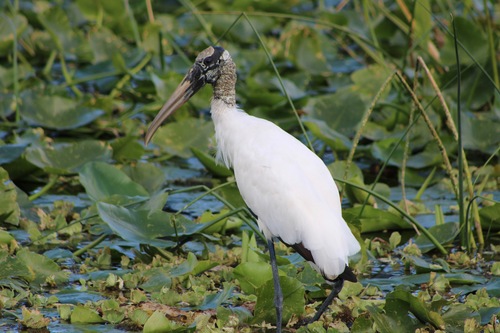
Florida, US
You might spot Wood Stork, Brown Anole, and Taro.
View guide →















