Brown Anole
Overbrook Park offers a serene escape nestled within Florida's verdant landscapes, inviting visitors to immerse themselves in a natural setting rich with diverse flora and fauna.
Overbrook Park offers a serene escape nestled within Florida's verdant landscapes, inviting visitors to immerse themselves in a natural setting rich with diverse flora and fauna. This park, characteristic of Florida's commitment to preserving its natural beauty, provides a refreshing outdoor experience with its lush greenery and trails designed for gentle exploration. It serves as a vital habitat for local wildlife, making it a delightful destination for families and wildlife enthusiasts eager to connect with nature.
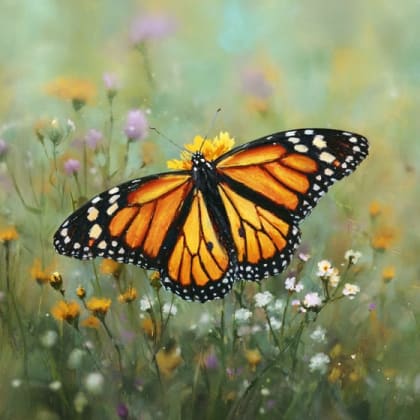
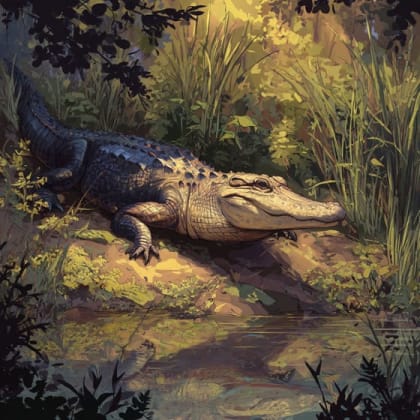
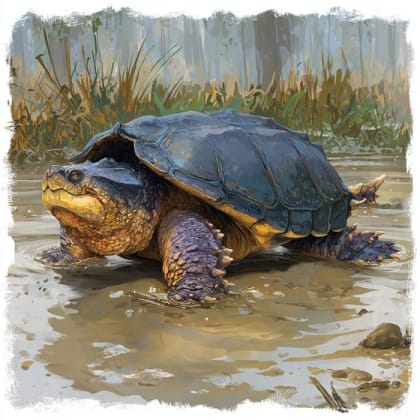
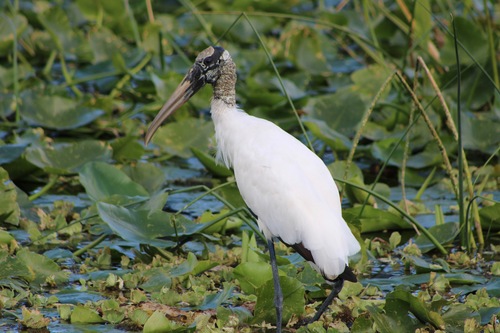
The park's varied habitats are home to a remarkable array of species. Keep an eye out for the majestic Wood Stork wading in wetlands, the vibrant Fiery Skipper flitting among wildflowers, and the graceful Limpkin along the water's edge. The canopy is often graced by the presence of the Red-shouldered Hawk, while on the ground, you might spot a Marsh Rabbit or the common Brown Anole. The plant life is equally captivating, featuring native Florida species such as baldcypresses, eastern redbud, dogwoods, and the distinctive Spanish moss hanging from ancient Live Oak trees. Aquatic areas are teeming with life, including American Gizzard Shad, Common Snapping Turtle, and the fascinating American Alligator.
A visit to Overbrook Park is an opportunity to slow down and appreciate the intricate beauty of Florida's ecosystems. Whether you're an avid birder, a nature photographer, or simply seeking a peaceful stroll amidst verdant surroundings, the park offers countless memorable moments. The chance to observe creatures like the colorful Monarch and Gulf Fritillary butterflies, or even the subtle beauty of water pennyworts and pickerelweed, makes every visit a unique adventure and a testament to Florida's natural heritage. Take the ultimate field guide with you: use the Snappit app to identify birds, plants, and animals on your trip.
While specific historical details for a singular "Overbrook Park" that perfectly matches the provided wildlife-rich description are not readily available in public records, many of Florida's parks often have roots in local land preservation efforts or historical land use. Early Florida parks were frequently established to protect significant natural areas, waterways, or historical sites, evolving over time to offer recreational opportunities while maintaining their ecological integrity. The development of such parks typically involves community advocacy and governmental planning aimed at conserving green spaces for public enjoyment and biodiversity.
Enjoy leisurely walks on the trails, engage in birdwatching and nature photography, or simply find a quiet spot to observe the local ecosystem. Keep an eye out for American Alligators and Common Snapping Turtles in aquatic areas, and a variety of insects like the Monarch and Gulf Fritillary butterflies among flowering plants.
Spring (March-May): Pleasant weather, lower humidity, and active wildlife, including many migratory birds and blooming plants like dogwoods and eastern redbud.
Summer (June-August): Hot and humid with frequent afternoon thunderstorms. Wildlife can be present but might be less active during the hottest parts of the day. This is hurricane season.
Fall (September-November): More comfortable temperatures and less crowded than summer. Still a chance of tropical storms, but excellent for bird migration and seeing species like the Fiery Skipper.
Winter (December-February): Mild temperatures and often dry. Good for birdwatching as many species overwinter in Florida.
While specific accessibility details for Overbrook Park are not documented, many Florida parks strive to offer accessible features. This often includes paved or well-maintained natural trails, and in some cases, accessible restrooms and picnic areas. Visitors with mobility concerns are advised to inquire about current trail conditions.
The main highlights include the well-maintained walking trails, diverse plant communities, and the opportunity for wildlife observation, particularly near water features. Birdwatching is a significant draw, with species like Wood Stork, Limpkin, and Red-shouldered Hawk. The presence of baldcypresses and Spanish moss adds to the scenic beauty.
Each card links to a full Explore page with photos, traits, and fun facts.
Start with the big picture, then zoom in to explore individual wildlife observations around this place.
Bring Binoculars and Camera
Essential for birdwatching and capturing photos of the abundant wildlife, from the Wood Stork to the Monarch butterfly.
Wear Comfortable Footwear
The trails are generally well-maintained, but comfortable walking shoes will enhance your experience.
Stay Hydrated and Protect from Sun/Insects: Carry water, wear sunscreen, a hat, and consider insect repellent, especially during warmer months or around wetlands.
Observe Wildlife from a Distance
Maintain a respectful distance from all animals, particularly alligators and snakes, for your safety and theirs.
Visit Early Morning or Late Afternoon
These times often provide the best opportunities for wildlife viewing and more comfortable temperatures.
Check for Seasonal Conditions
Be aware of Florida's weather patterns, especially during hurricane season (June-November), and check local forecasts before your visit.
Jan 21, 2026
Oct 30, 2025
Oct 30, 2025
Oct 30, 2025
Oct 30, 2025

Maryland, US
You might spot White-Tailed Deer and Eastern Gray Squirrel.
View guide →
.jpg)
District of Columbia, US
You might spot Eastern Gray Squirrel, Duck, and House Sparrow.
View guide →

Illinois, US
You might spot American Robin, Canada Goose, and House Sparrow.
View guide →

Virginia, US
You might spot Spotted Lanternfly and Northern Cardinal.
View guide →
Take the discovery with you
Identify the wildlife you spot, learn as you go, and keep a collection of the adventure.