





Glass Frog
Hyalinobatrachium fleischmanni
The Glass Frog is a special frog with see-through skin! You can actually see its heart and organs through its belly.
Habitat: Tropical rainforests
The Glass Frog is primarily vibrant lime green with small yellow spots, setting it apart from other frogs. Its unique translucent skin on its belly reveals its heart, liver, and digestive organs. It has large, forward-facing gold eyes.
Category
AmphibiansRarity
Rare
Danger
2/5 · Low
Snaps
Be the first to snap!
Dad frogs splash water on eggs to keep them wet! Wow!
Tadpoles often fall into streams and finish growing there. Wow!
Their bones are actually a cool, light green color! Wow!
They mainly hunt at night, sitting very still waiting for bugs. Wow!
Glass Frogs can turn nearly invisible from below because their clear skin blends with dappled light.
Glass Frogs have see-through bellies that allow you to glimpse their beating heart and other internal organs.
Glass Frog fathers diligently guard their eggs, protecting them from hungry insects until they hatch.
Tiny glass frogs are insectivores, gobbling up small insects and spiders.
Age differences: Tadpoles are omnivores, eating algae and detritus; adults are strict insectivores.
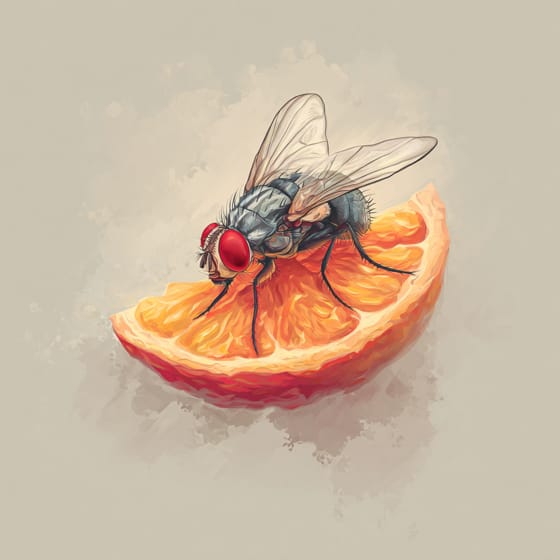
Drosophila melanogaster
A primary food source for adult glass frogs.
Leptodeira septentrionalis
A nocturnal snake that preys on small frogs.
Pulsatrix perspicillata
A nocturnal bird of prey that consumes frogs.
Arboreal animals live primarily in trees, utilizing them for shelter, food, and protection from predators.
Camouflaged describes organisms that possess coloring or patterns that allow them to blend into their environment.
This trait identifies organisms whose diet primarily consists of insects and other small invertebrates.
This habitat trait refers to species found in tropical rainforests, characterized by high annual rainfall, high biodiversity, and dense tree cover.

Freshwater habitats include non-saline aquatic environments such as rivers, lakes, ponds, and wetlands, vital for numerous species.

Pertaining to species that are significantly smaller than typical or average for their kind.

Nocturnal animals are primarily active during the nighttime hours, typically resting or sleeping during the day.
Danger
2/5 · Low
Look but don’t touch. Keep a safe distance and wash hands after exploring.
2-3.2 cm
0.003-0.007 kg
3-5 years
1.5 km/h
Tiny glass frogs are insectivores, gobbling up small insects and spiders.
Tropical rainforests
Ambush
18-40
Zoom in to split clusters and explore where this object has been snapped.
Recent snaps will appear here as new observations are added.












