





Pacific Tree Frog
Pseudacris regilla
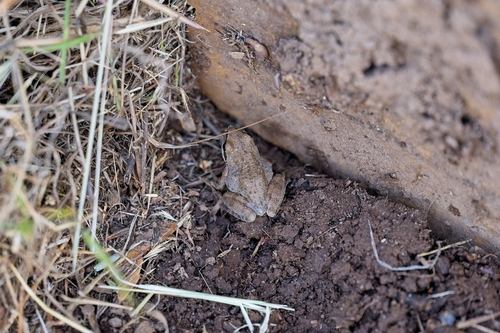
The Pacific Tree Frog is a small frog that loves to hop around in wet places. They have a lovely green color that helps them hide in the grass.
Habitat: Wetlands and forests
The Pacific Tree Frog is small, typically green or brown, with a distinctive dark stripe extending from its snout through its eye. Its smooth skin can change color to match its surroundings, and it has sticky toe pads.
Category
AmphibiansRarity
Common
Danger
2/5 · Low
Snaps
169
Pacific Tree Frogs are excellent weather predictors, calling more before rain!
Their eyes have a special clear eyelid that helps them see underwater!
These tiny frogs can jump over ten times their own body length!
They often spend their lives high up in trees, rarely touching the ground.
Pacific Tree Frog can change its skin color from green to brown to grey, helping them disappear into their surroundings.
Pacific Tree Frog has special sticky pads on its toes, allowing them to climb smooth surfaces like leaves and branches.
Pacific Tree Frog can make a surprisingly loud 'ribbit' call, helping them attract mates and define territory.
This tiny frog is a skilled hunter, munching on small insects and other invertebrates.
Age differences: Tadpoles eat algae and detritus, but adults are carnivores.
Thamnophis sirtalis
They are a common meal for various garter snakes.
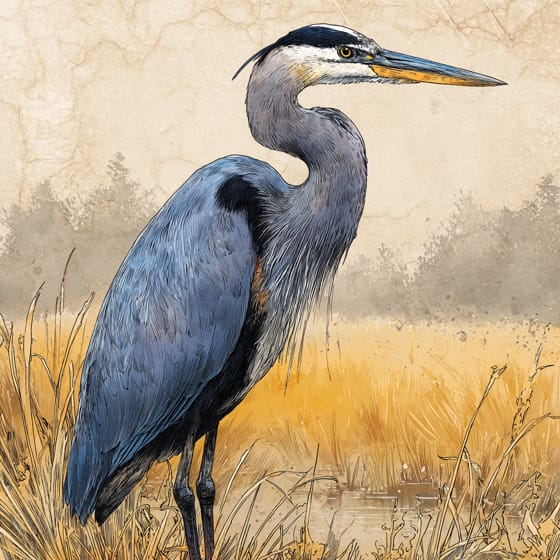
Ardea herodias
Large wading birds will prey on frogs near water bodies.
Musca domestica
Frogs help control insect populations by eating them.
Typha latifolia
Provides cover and hunting perches near wetland edges.
Wildlife encompasses all undomesticated animal and plant life existing in their natural habitats.
Camouflaged describes organisms that possess coloring or patterns that allow them to blend into their environment.
This trait identifies organisms whose diet primarily consists of insects and other small invertebrates.
This habitat trait identifies species found in wetlands, which are areas of land saturated with water, either permanently or seasonally, including marshes, swamps, and bogs.

Freshwater habitats include non-saline aquatic environments such as rivers, lakes, ponds, and wetlands, vital for numerous species.

Nocturnal animals are primarily active during the nighttime hours, typically resting or sleeping during the day.
Danger
2/5 · Low
Look but don’t touch. Keep a safe distance and wash hands after exploring.
The easiest way to identify Pacific Tree Frog is to use the Snappit nature identifier app.
2-5 cm
0.001-0.005 kg
2-9 years
This tiny frog is a skilled hunter, munching on small insects and other invertebrates.
Wetlands and forests
Ambush
200-750
Zoom in to split clusters and explore where this object has been snapped.
Jun 8, 2026
Sonoma Botanical GardenPhoto attribution
(c) Daveozric, some rights reserved (CC BY)
License: CC BY 4.0 ↗
Image may be shown cropped inside the card frame.
May 27, 2026
Bloedel ReservePhoto attribution
no rights reserved
License: CC0 1.0 ↗
Image may be shown cropped inside the card frame.
May 27, 2026
Bloedel ReservePhoto attribution
no rights reserved
License: CC0 1.0 ↗
Image may be shown cropped inside the card frame.
May 27, 2026
Bloedel ReservePhoto attribution
no rights reserved
License: CC0 1.0 ↗
Image may be shown cropped inside the card frame.
May 27, 2026
Bloedel ReservePhoto attribution
no rights reserved
License: CC0 1.0 ↗
Image may be shown cropped inside the card frame.

California, US
You might spot Warrior's Plume and Purple Owl's-Clover.
View guide →

Washington, US
You might spot Pacific Tree Frog and Long-Toed Salamander.
View guide →

California, US
You might spot White Globe Lily, Rose Campion, and Pipevine Swallowtail.
View guide →

Oregon, US
You might spot Oregon Oak, Pacific Poison Oak, and American Bullfrog.
View guide →

California, US
You might spot Toyon, Mule Deer, and White Globe Lily.
View guide →

Oregon, US
You might spot Mule Deer, Song Sparrow, and Northern Yellow Warbler.
View guide →
Take the discovery with you
Snap it with Snappit to identify it, learn what makes it special, and add the discovery to your collection.








.JPG&width=800)



.jpg&width=800)

