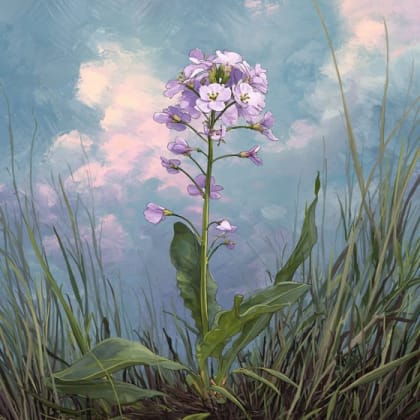



Peony
Paeonia lactiflora
Peonies are fluffy, colorful flowers that bloom in late spring! They are loved for their big, beautiful blooms.
Habitat: Gardens and flower beds
The Peony has large, often fragrant blooms with many layers of petals, ranging from crisp white and soft pink to vibrant red and deep purple, sometimes with yellow accents. Its lush, deep green foliage provides a beautiful contrast to the showy flowers, making it easily distinguishable.
Category
PlantsRarity
Common
Danger
1/5 · Very low
Snaps
Be the first to snap!
Ancient China considered peonies the 'King of Flowers'!
Different peony varieties can smell like roses, citrus, or even cloves!
Peonies can symbolize good fortune and happy marriage.
Some peonies change color as their flowers mature!
Peony produces large, colorful, and often fragrant flowers to attract insects like bees, helping it reproduce effectively.
Peony buds produce sweet nectar attracting ants, which may help protect the plant from chewing pests.
Apis mellifera
Collects nectar and pollen, aiding reproduction.
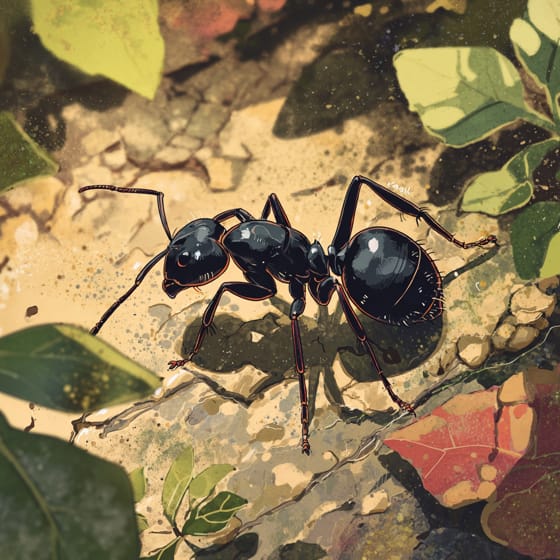
Formica fusca
Attracted to nectar on buds, potentially deterring pests.

Odocoileus virginianus
May browse on leaves and buds in wild areas.
Perennial plants live for more than two years, typically returning to grow and bloom each year from their roots.
Herbaceous plants are non-woody plants with soft stems that typically die back to the ground at the end of the growing season.
Ornamental plants are cultivated primarily for their aesthetic appeal, enhancing landscapes and gardens with their attractive foliage, flowers, or form.
Spring blooming plants produce their flowers during the spring season, often signifying the end of winter and the start of new growth.

Fragrant flowers emit a pleasant aroma, often to attract pollinators or for defense.

This trait characterizes organisms with an exceptionally long lifespan compared to others of their kind.

This habitat trait indicates species that can coexist with humans in urban and suburban environments, utilizing man-made structures and green spaces.
Danger
1/5 · Very low
Explore with care and ask an adult if you’re unsure what to do.
60-100 cm
60-90 cm
10-20 cm
Late spring to early summer
No
Mild
Perennial
Insect
Zoom in to split clusters and explore where this object has been snapped.
Recent snaps will appear here as new observations are added.