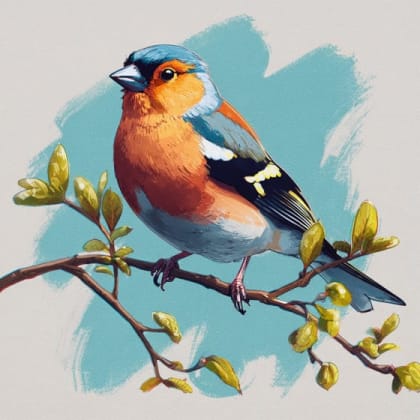
Razorbill
Alca torda
The Razorbill is a black-and-white seabird with a sharp bill. It loves to dive for fish in the cold ocean waters!
Habitat: Coastal cliffs and ocean waters
The Razorbill is a medium-sized seabird with a sleek, black back and a clean white belly. Its thick, blunt black bill has a distinctive vertical white stripe near the tip, setting it apart from other auks.
Category
BirdsRarity
Common
Danger
2/5 · Low
Snaps
Be the first to snap!
A Razorbill's call is a low, rumbling purr, very different from other seabirds!
Razorbill chicks jump from cliffs at just 18 days old, before they can properly fly!
They form strong, monogamous pairs and often return to the same nest site year after year.
Young Razorbills are taken to sea by their fathers, who continue to care for them for weeks!
Razorbill can 'fly' underwater, using its short, strong wings to propel itself in pursuit of fish.
Razorbill has special glands that help them drink saltwater, removing excess salt from their bodies.
Razorbill has a streamlined body shape that helps them dive deep and move efficiently through the ocean.
These agile hunters primarily eat small fish and crustaceans found in the cold ocean waters.
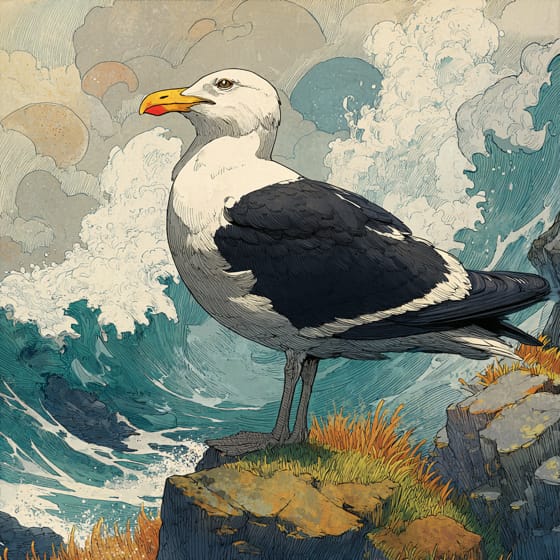
Larus marinus
Gulls are known to prey on Razorbill eggs and chicks.
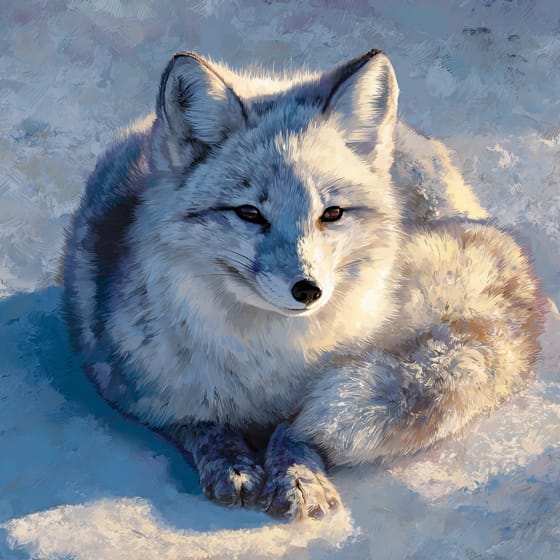
Vulpes lagopus
Foxes may raid nests on accessible cliff ledges for eggs.
Mallotus villosus
Razorbills actively chase and catch capelin underwater for food.
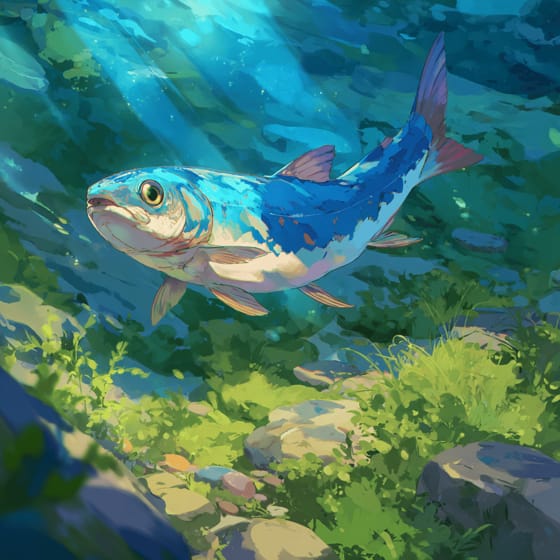
Clupea harengus
Herring are a vital food source for adult and young Razorbills.
Wildlife encompasses all undomesticated animal and plant life existing in their natural habitats.
Feathered describes animals, primarily birds, possessing a covering of feathers.
Social animals live in organized groups, cooperating for survival benefits such as foraging, defense, and raising offspring.
Aerial creatures spend a significant portion of their lives airborne, utilizing flight for various activities such as hunting, migration, or nesting.

Piscivorous organisms are animals that primarily subsist on a diet of fish.

Coastal habitats are dynamic environments located along the interface between land and sea, influenced by tides, waves, and saltwater.

Aquatic habitats encompass environments where organisms live predominantly in water, including oceans, rivers, lakes, and wetlands.

Migratory animals undertake seasonal movements from one region to another, typically in response to changes in climate or food availability.
Danger
2/5 · Low
Watch quietly from a distance and never try to feed or chase wild animals.
38-43 cm
60-69 cm
0.5-0.75 kg
13-25 years
70 km/h
These agile hunters primarily eat small fish and crustaceans found in the cold ocean waters.
Coastal cliffs and ocean waters
Pursuit
Zoom in to split clusters and explore where this object has been snapped.
Recent snaps will appear here as new observations are added.