





Red-winged Blackbird
Agelaius phoeniceus
The Red-winged Blackbird is a cheerful bird with shiny black feathers and bright red shoulder patches. They love to sing and can often be found near wetlands and ponds.
Habitat: Wetlands and marshes
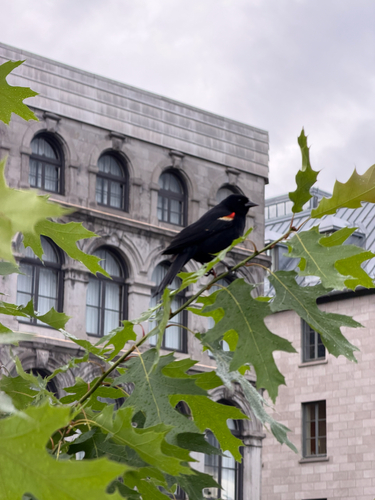
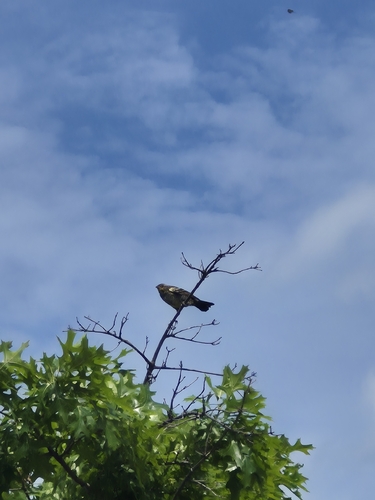
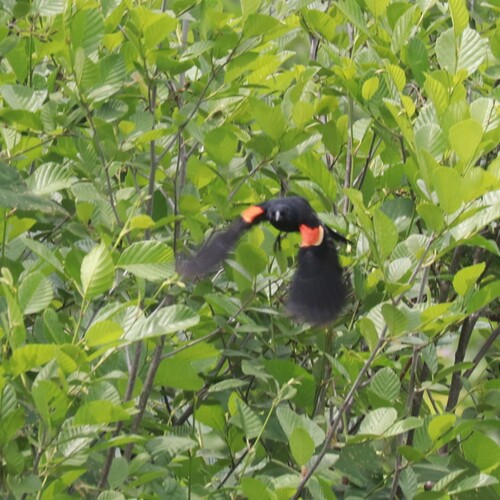
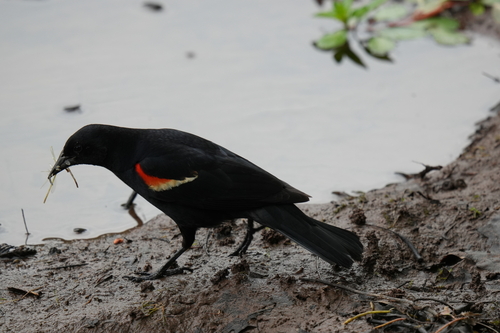
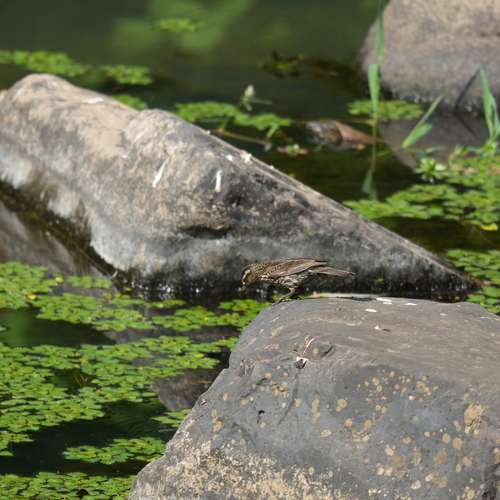
The Red-winged Blackbird male is glossy black with striking bright red shoulder patches, bordered in yellow. Females are streaky brown with lighter underparts and a faint reddish hue on their shoulders, appearing much duller than males.
Category
BirdsRarity
Common
Danger
1/5 · Very low
Snaps
519
A single male Red-winged Blackbird can have up to 15 female mates in one breeding season!
Baby blackbirds, called fledglings, leave their nests just 10-14 days after hatching.
During winter, Red-winged Blackbirds gather in enormous flocks, sometimes thousands strong!
These birds weave their cup-shaped nests into cattails, often directly over shallow water for safety.
Red-winged Blackbirds can fiercely defend their nests from much larger threats, because of their bravery, helping protect their young.
Red-winged Blackbirds can snatch insects mid-air and pluck seeds from tall grasses, showcasing agile flight for diverse food.
Red-winged Blackbirds have a loud, distinctive 'conk-la-ree!' song that helps them declare territory and attract mates.
These omnivores enjoy a varied diet of insects, spiders, seeds, and grains.
Typha latifolia
Provides crucial nesting sites woven into its stalks.

Zea mays
Feeds on grains from agricultural fields, especially corn.
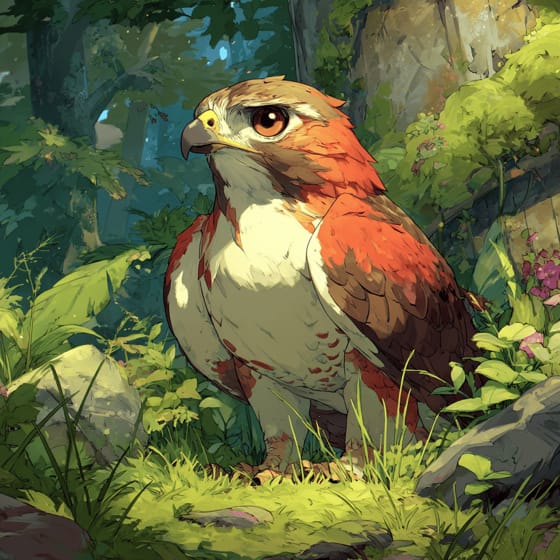
Buteo jamaicensis
A common raptor that preys on adult blackbirds.
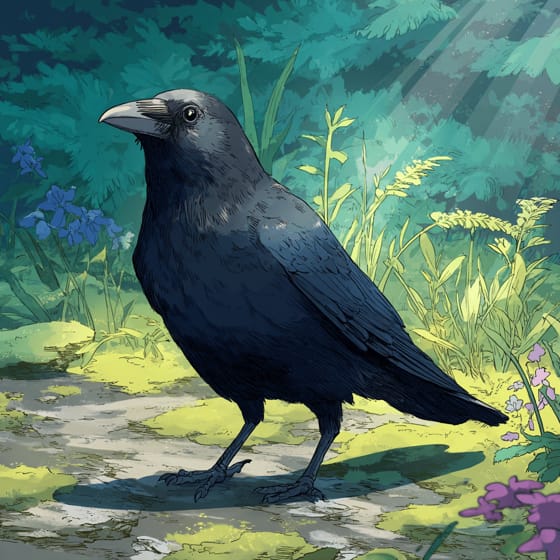
Corvus brachyrhynchos
Known to raid nests for eggs and young nestlings.
Wildlife encompasses all undomesticated animal and plant life existing in their natural habitats.
Feathered describes animals, primarily birds, possessing a covering of feathers.
Social animals live in organized groups, cooperating for survival benefits such as foraging, defense, and raising offspring.
Singing animals produce complex vocalizations, often for purposes of attracting mates, defending territory, or communicating within their species.

This trait identifies organisms whose diet primarily consists of insects and other small invertebrates.

This habitat trait identifies species found in wetlands, which are areas of land saturated with water, either permanently or seasonally, including marshes, swamps, and bogs.

Diurnal animals are primarily active during daylight hours, typically resting or sleeping at night.
Danger
1/5 · Very low
Red-winged Blackbirds are generally safe to watch from a distance. Always be kind to animals and respect their space.
The easiest way to identify Red-winged Blackbird is to use the Snappit nature identifier app.
17-23 cm
30-37 cm
0.032-0.077 kg
2-6 years
45 km/h
These omnivores enjoy a varied diet of insects, spiders, seeds, and grains.
Wetlands and marshes
Zoom in to split clusters and explore where this object has been snapped.
Jun 20, 2026
Parc Jean-DrapeauPhoto attribution
(c) Mark Reed, some rights reserved (CC BY)
License: CC BY 4.0 ↗
Image may be shown cropped inside the card frame.
Jun 9, 2026
Cleveland Cultural GardensPhoto attribution
(c) greatlakes25, some rights reserved (CC BY)
License: CC BY 4.0 ↗
Image may be shown cropped inside the card frame.
Jun 6, 2026
East Windsor Hill Historic DistrictPhoto attribution
(c) Mark Apgar, some rights reserved (CC BY)
License: CC BY 4.0 ↗
Image may be shown cropped inside the card frame.
Jun 6, 2026
Reeves-Reed ArboretumPhoto attribution
(c) foxsu, some rights reserved (CC BY)
License: CC BY 4.0 ↗
Image may be shown cropped inside the card frame.
Jun 6, 2026
Reeves-Reed ArboretumPhoto attribution
(c) foxsu, some rights reserved (CC BY)
License: CC BY 4.0 ↗
Image may be shown cropped inside the card frame.

Ohio, US
You might spot Eastern Fox Squirrel and Spotted Lanternfly.
View guide →

California, US
You might spot Acorn Woodpecker and Western Fence Lizard.
View guide →

Rhode Island, US
You might spot Common Eastern Bumble Bee and Osprey.
View guide →

Arkansas, US
You might spot Eastern Gray Squirrel and Asian Lady Beetle.
View guide →

District of Columbia, US
You might spot Eastern Gray Squirrel, Duck, and House Sparrow.
View guide →

Wisconsin, US
You might spot Turkey, White-Tailed Deer, and Dame's Rocket.
View guide →
Take the discovery with you
Snap it with Snappit to identify it, learn what makes it special, and add the discovery to your collection.




.jpg&width=800)









