





Common Chaffinch
Fringilla coelebs
The Common Chaffinch is a cheerful little bird with a lovely song. They have colorful feathers and love to hop around gardens and parks.
Habitat: Woodlands and gardens
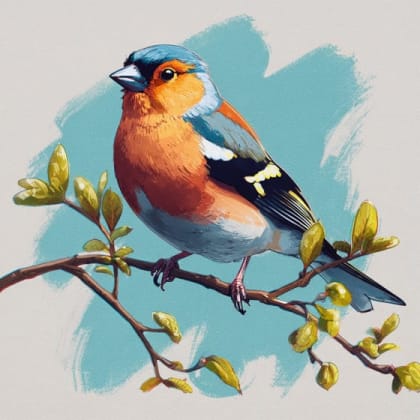
The Common Chaffinch is a small, plump finch. Males have a blue-grey crown, reddish-pink breast and cheeks, and a brown back, while females are duller brown. Both sexes feature two striking white bars on each wing, making them easy to identify.
Category
BirdsRarity
Common
Danger
1/5 · Very low
Snaps
31
Male Chaffinches learn their unique songs by listening to older males in their local area!
Some Chaffinches migrate thousands of kilometers, while others stay home their whole lives!
Their beak color changes with the seasons; grey in winter, blue in spring!
They often use spider silk to bind their nests together, making them extra sturdy!
Common Chaffinches can learn and vary their songs because of their flexible vocal cords, helping them communicate clearly.
Common Chaffinches have a strong, cone-shaped beak that helps them efficiently crack open tough seeds for food.
Common Chaffinches can build intricate nests camouflaged with lichen and moss, helping them hide eggs from predators.
Common Chaffinches primarily eat seeds and insects, especially during breeding season.
Age differences: Younger chaffinches consume a higher proportion of insects for growth.

Accipiter nisus
A common predator of adult Common Chaffinches.
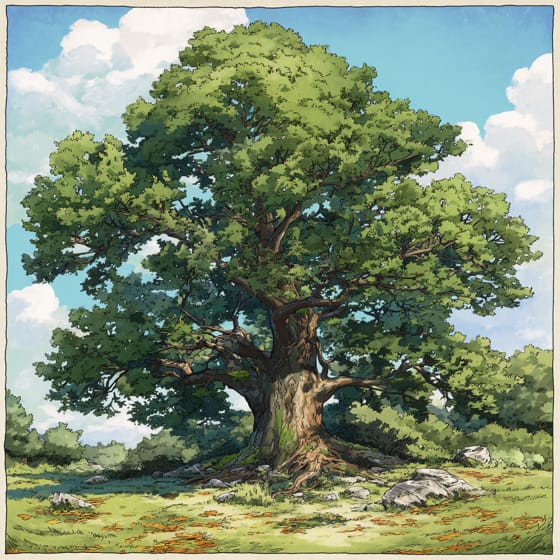
Quercus robur
Provides seeds (acorns) and sheltered nesting sites.
Pieris brassicae
Chaffinches feed on their caterpillars, especially in spring.
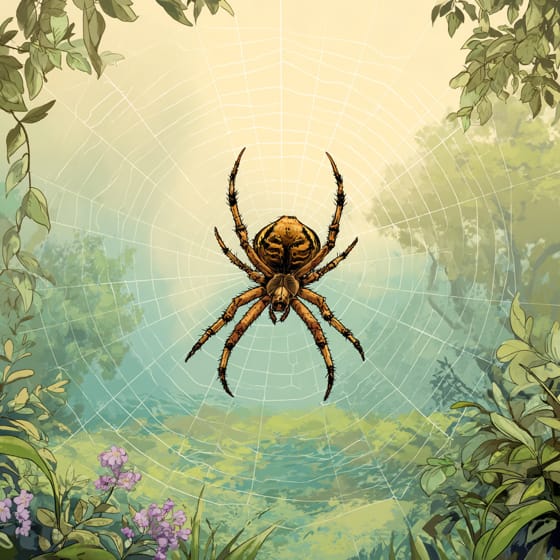
Araneus diadematus
Uses spider silk for nest construction.
Wildlife encompasses all undomesticated animal and plant life existing in their natural habitats.
Feathered describes animals, primarily birds, possessing a covering of feathers.
Social animals live in organized groups, cooperating for survival benefits such as foraging, defense, and raising offspring.
This trait identifies organisms whose diet includes both plant and animal matter.

Singing animals produce complex vocalizations, often for purposes of attracting mates, defending territory, or communicating within their species.

Forest habitats are terrestrial environments dominated by dense tree cover, supporting a high diversity of plant and animal life.

Diurnal animals are primarily active during daylight hours, typically resting or sleeping at night.
Danger
1/5 · Very low
Chaffinches are friendly and not dangerous, but it's best to watch them from a distance.
The easiest way to identify Common Chaffinch is to use the Snappit nature identifier app.
14-16 cm
24.5-28.5 cm
0.019-0.025 kg
2-14 years
50 km/h
Common Chaffinches primarily eat seeds and insects, especially during breeding season.
Woodlands and gardens
Zoom in to split clusters and explore where this object has been snapped.

North Rhine-Westphalia, DE
You might spot Giant Anteaters, Angolan Giraffe, and Giant Otter.
View guide →

Hainaut, BE
You might spot Giant Panda, Polar Bear, and Tiger.
View guide →

Berlin, DE
You might spot Giant Panda, Asian Elephant, and Hippopotamus.
View guide →
Andalusia, ES
You might spot Tiger, African Lion, and Delonix.
View guide →
Pennsylvania, US
You might spot Giraffes, Jaguar, and Red Panda.
View guide →

Vienna, AT
You might spot Giant Panda, Polar Bear, and African Elephant.
View guide →
Take the discovery with you
Snap it with Snappit to identify it, learn what makes it special, and add the discovery to your collection.




.jpg&width=800)








