


Red Alder
Alnus rubra
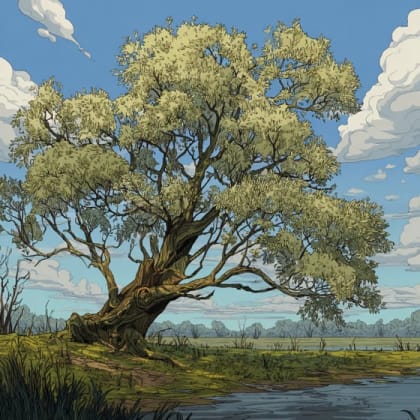
Red Alder is a special tree with red-brown bark and bright green leaves! It likes to grow near water.
Habitat: Riverbanks and forests
The Red Alder is a medium-to-large tree with smooth, ash-gray bark when young, maturing to scaly. Its oval, finely serrated leaves are dark green above and paler, sometimes rusty below. Small, dark brown, cone-like fruits persist through winter, giving it a distinctive look.
Category
TreesRarity
Common
Danger
1/5 · Very low
Snaps
Be the first to snap!
Its small, woody cones stay on the tree all winter, looking like tiny ornaments!
Native Americans used Red Alder bark to make beautiful reddish dyes for baskets and nets!
Red Alder is super important for salmon, shading streams and providing leaf nutrients!
When Red Alder wood is cut, it quickly changes color from white to reddish-orange!
Red Alder can partner with tiny soil bacteria to create its own fertilizer, helping it grow fast in poor soils.
Red Alder enriches the soil by adding nitrogen, which helps other plants thrive and makes the forest healthier.
Red Alder can quickly grow in disturbed areas like clearcuts or landslides, starting the recovery process for new forests.
Frankia alni
fixes nitrogen in roots
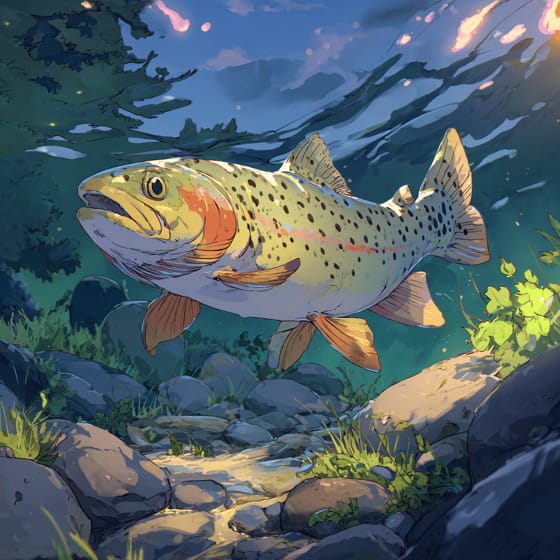
Oncorhynchus mykiss
leaves and shade cool streams
Castor canadensis
eats bark and twigs
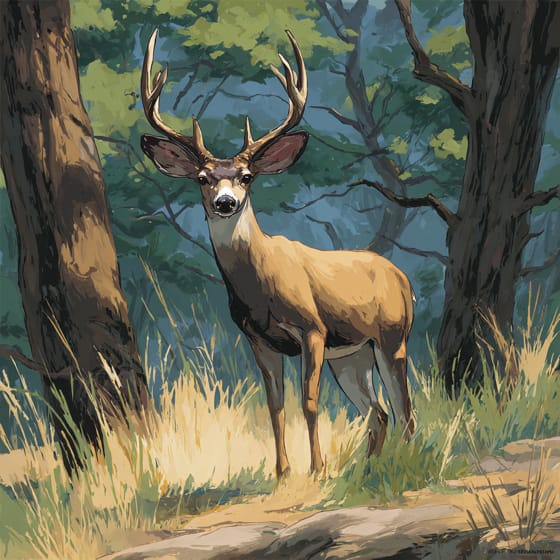
Odocoileus hemionus
browses on young twigs and leaves
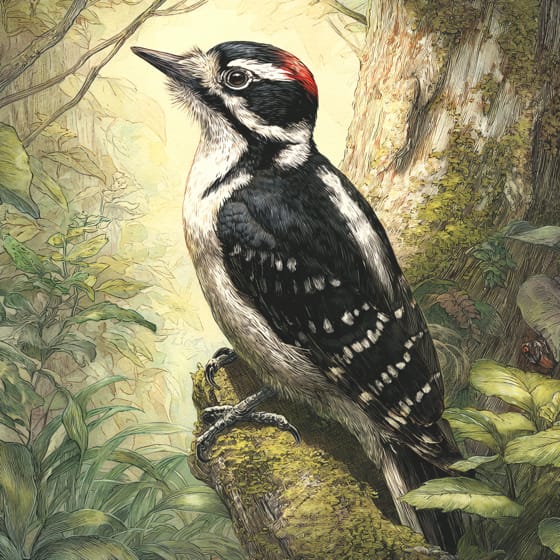
Picoides villosus
nests in cavities in trunks
Deciduous plants periodically shed all their leaves, typically during autumn or dry seasons.
Describes organisms capable of converting atmospheric nitrogen into compounds usable by plants.
Broadleaf trees are angiosperms characterized by flat, wide leaves that are typically shed annually in temperate climates.
Rapid growing plants exhibit accelerated growth rates, quickly increasing in size and biomass within a short period.
Timber refers to wood that has been prepared for use in building and carpentry.

Forest habitats are terrestrial environments dominated by dense tree cover, supporting a high diversity of plant and animal life.
Danger
1/5 · Very low
Do not pick or eat anything you find. Some plants and mushrooms can be harmful.
20-40 m
8-15 m
No
30-80 cm
60-100 years
Riverbanks and forests
Cone-like strobile
Fast
Zoom in to split clusters and explore where this object has been snapped.
Recent snaps will appear here as new observations are added.