Rainbow Trout
Oncorhynchus mykiss
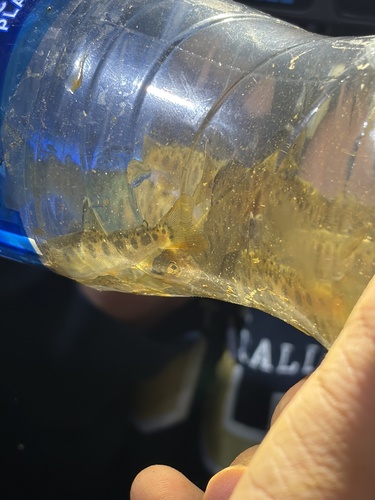
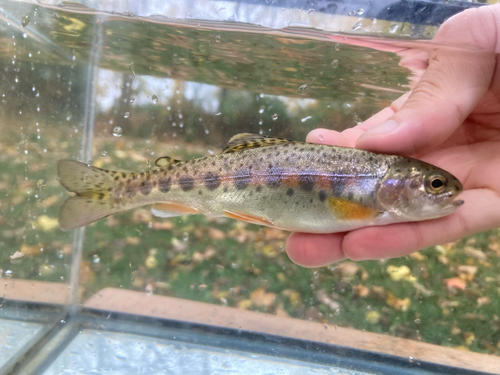
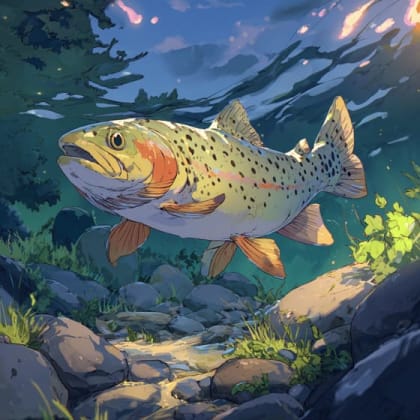
The Rainbow Trout is a colorful fish found in rivers and lakes! They are known for their bright, rainbow-colored stripes.
Habitat: Freshwater rivers and lakes
The Rainbow Trout has an elongated body with a distinctive pink or red stripe along its silvery-green sides. Its back is typically olive or bronze, speckled with small, dark spots, making it stand out from plainer fish.
Category
FishRarity
Common
Danger
2/5 · Low
Snaps
31
Amazingly, these fish have excellent eyesight to spot tiny insects from afar.
Some Rainbow Trout, called 'steelhead,' travel to the ocean and return!
Their dazzling 'rainbow' colors get even brighter during spawning season.
They build special gravel nests, called 'redds,' on riverbeds for their eggs.
Rainbow Trout can leap high out of the water to catch flying insects or overcome river obstacles.
Rainbow Trout has a lateral line system that helps them detect vibrations in water to find prey.
Rainbow Trout can subtly adjust their skin colors to blend in better with their surroundings.
Rainbow Trout eat a mix of tiny animals, both in and on the water, plus some plants.
Age differences: Younger trout primarily eat small insects; older trout add larger insects and small fish.
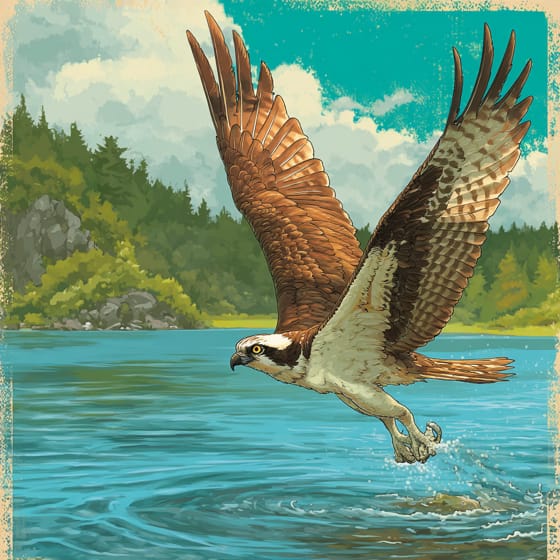
Pandion haliaetus
Ospreys dive to catch them from the water.
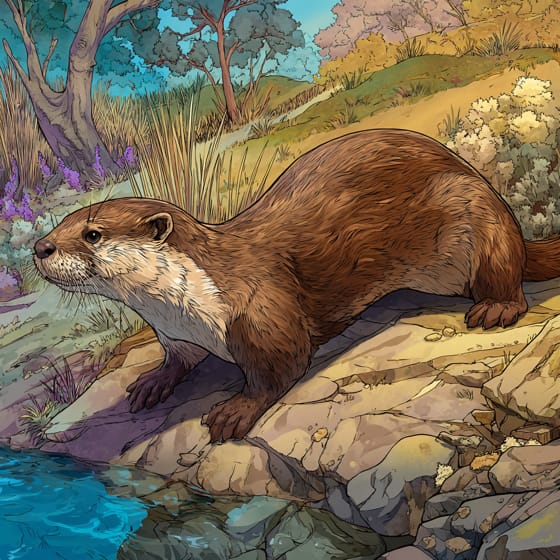
Lutra canadensis
Otters hunt them in rivers and lakes.
Chironomus riparius
Trout feast on these tiny aquatic insects.
Wildlife encompasses all undomesticated animal and plant life existing in their natural habitats.
This trait identifies organisms whose diet includes both plant and animal matter.
Colorful describes organisms or objects displaying a wide range of bright and distinct colors.
Piscivorous organisms are animals that primarily subsist on a diet of fish.

An ambush predator hunts by patiently waiting and concealing itself, then launching a sudden attack when unsuspecting prey comes within range.

Freshwater habitats include non-saline aquatic environments such as rivers, lakes, ponds, and wetlands, vital for numerous species.

Aquatic habitats encompass environments where organisms live predominantly in water, including oceans, rivers, lakes, and wetlands.

Migratory animals undertake seasonal movements from one region to another, typically in response to changes in climate or food availability.
Danger
2/5 · Low
Watch quietly from a distance and never try to feed or chase wild animals.
The easiest way to identify Rainbow Trout is to use the Snappit nature identifier app.
30-70 cm
0.5-2.5 kg
4-6 years
Rainbow Trout eat a mix of tiny animals, both in and on the water, plus some plants.
12 km/h
Freshwater rivers and lakes
Foraging
Zoom in to split clusters and explore where this object has been snapped.
May 16, 2026
Putah Creek State Wildlife AreaPhoto attribution
(c) Seth Marshall, some rights reserved (CC BY)
License: CC BY 4.0 ↗
Image may be shown cropped inside the card frame.
Nov 9, 2025
Ohio CavernsPhoto attribution
(c) Steven Wang, some rights reserved (CC BY)
License: CC BY 4.0 ↗
Image may be shown cropped inside the card frame.

California, US
You might spot Western Fence Lizard and Pacific Poison Oak.
View guide →
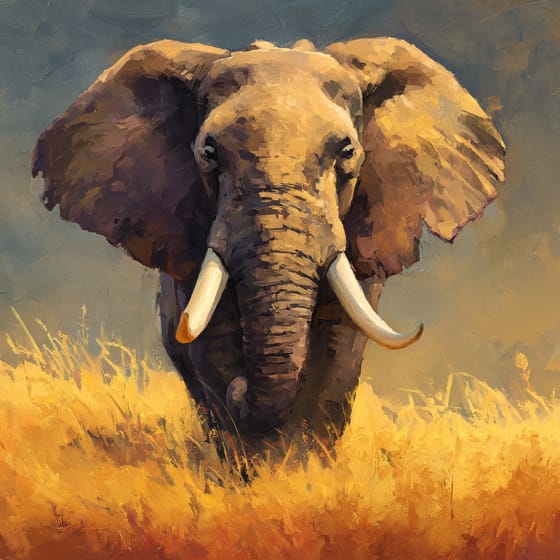
New Jersey, US
You might spot African Elephant and White Rhinoceros.
View guide →

Arkansas, US
You might spot Rainbow Trout and Spicebush Swallowtail.
View guide →

New Hampshire, US
You might spot Monarch, Edwards' Hairstreak, and Frosted Elfin.
View guide →

South Dakota, US
You might spot Bald Eagle, Canada Goose, and American Coot.
View guide →

Colorado, US
You might spot Bighorn Sheep and Quaking Aspen.
View guide →
Take the discovery with you
Snap it with Snappit to identify it, learn what makes it special, and add the discovery to your collection.