American Robin
## Tantalus Provincial Park: A Rugged Alpine Sanctuary
## Tantalus Provincial Park: A Rugged Alpine Sanctuary
Tantalus Provincial Park, nestled just north of Squamish in British Columbia, offers an unparalleled journey into the heart of a truly wild and stunning alpine wilderness. This expansive 113 square kilometer park is a protected realm of towering granite peaks, expansive glaciers, and pristine sub-alpine landscapes, crowned by the serene and aptly named Lake Lovely Water. At over 1100 meters above sea level, the lake is a jewel set amidst the majestic Tantalus Mountain Range, captivating all who venture into its remote beauty.
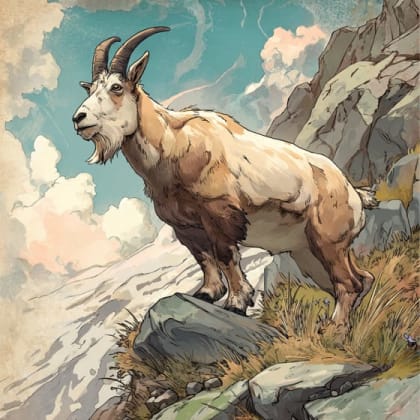
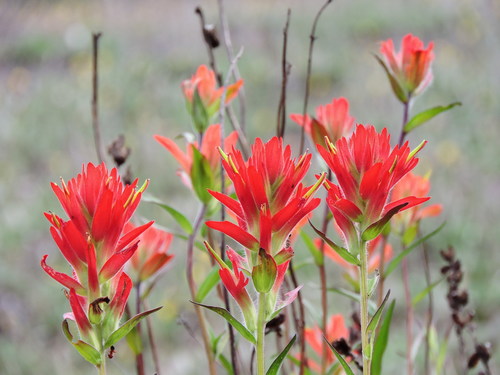
The park's diverse habitats range from ancient old-growth forests to vibrant sub-alpine meadows and rocky alpine terrains, supporting a rich tapestry of life. Keen observers might spot majestic Mountain Goats traversing the rugged slopes or glimpse a Wapiti (Elk) amidst the trees. The meadows come alive with splashes of color from flora such as the striking giant red paintbrush, various lupines, and the delicate broadleaf arnica. Visitors can also find bellflowers, pink mountainheath, and Red-flowering Currant, while the forest floors are home to Threeleaf Foamflower and the distinctive Red Alder trees. Birdsong often fills the air with the presence of the American Robin, and insect enthusiasts might find the Banded Sexton Beetle or Pacific Fritillary.
Visiting Tantalus Provincial Park is an immersive experience, offering profound solitude and breathtaking natural grandeur that leaves an indelible mark on the soul. It's a place where the grandeur of the Coast Mountains truly comes to life, from the dramatic jagged ridge lines of the Tantalus Range to the tranquil, glacier-fed waters. The park's remote nature and challenging access only amplify the sense of achievement and wonder for those who reach its secluded depths, making it an unforgettable destination for the adventurous at heart. Turn your visit into a safari! Use the Snappit app to scan and log wildlife sightings here.
Tantalus Provincial Park was officially established on December 19, 1998, with the primary goal of safeguarding a significant expanse of pristine alpine wilderness. This designation built upon the existing Lake Lovely Water Recreation Area, which had been created in 1988 to protect the alpine lake and provide mountaineering opportunities within the Tantalus Range. The mountains and surrounding areas within the park have also been the traditional territory of the Squamish First Nation since time immemorial.
Activities abound for the experienced adventurer, including strenuous hiking, mountaineering, and alpine climbing. Advanced backcountry skiing is a popular spring activity. Fishing for stocked trout is permitted in Lake Lovely Water with a valid license. Wildlife viewing offers chances to spot Mountain Goats, Wapiti (Elk), and a variety of birds and plant life.
Summer: Ideal for hiking, with opportunities for cool alpine lake swimming in Lake Lovely Water. Be aware that high temperatures can lead to rapid snowmelt, resulting in unpredictable water levels and strong currents at river crossings.
Spring: Known for advanced backcountry skiing.
General: Weather in the alpine can change very quickly, leading to limited visibility. Bear-proof food canisters are mandatory for all food storage. Hunting is permitted from September 10 to June 15.
Tantalus Provincial Park is a remote wilderness area with extremely limited access and no public facilities. There is no road access directly to the Lake Lovely Water trailhead; visitors must cross the Squamish River by jet boat, canoe (for experienced paddlers), or float plane. The Lake Lovely Water trail itself is described as rugged, steep, and potentially muddy with roots and fallen logs. The park is not wheelchair accessible. Backcountry areas are generally not suitable for pets due to wildlife concerns and the presence of bears.
The crown jewel is undoubtedly Lake Lovely Water, a stunning sub-alpine lake nestled within a cirque. The majestic peaks of the Tantalus Mountain Range, including Mount Tantalus, Alpha Mountain, and Pelion Mountain, dominate the skyline. For those seeking less strenuous views, Tantalus lookout points can be found along Highway 99. The Alpine Club of Canada operates a hut at Lake Lovely Water, offering overnight accommodation for those who book in advance.
Each card links to a full Explore page with photos, traits, and fun facts.
Start with the big picture, then zoom in to explore individual wildlife observations around this place.
Plan River Crossing in Advance
The Squamish River must be crossed to reach the Lake Lovely Water trailhead. Arrange for a jet boat, helicopter, or float plane service well before your trip, as crossing the swift river by personal craft is not recommended for most.
Come Prepared for Rugged Terrain
The trails, especially to Lake Lovely Water, are steep and challenging. Ensure you have excellent route-finding skills, appropriate backcountry experience, sturdy hiking boots, and weather-appropriate clothing.
Mandatory Bear-Proof Storage
All food and scented items must be stored in bear-proof canisters to protect both wildlife and visitors.
Treat All Water
While Lake Lovely Water is pristine, it is strongly advised to filter, boil, or chemically treat any water sourced from creeks and streams before consumption.
Practice Leave No Trace
This is a remote wilderness park. Pack out everything you pack in, including all garbage and organic waste, to preserve its pristine condition.
Check Advisories
Always check the BC Parks website for current advisories regarding trail conditions, water levels, and any specific safety warnings before your visit.
Recent snaps will appear here as new observations are added.

Maryland, US
You might spot White-Tailed Deer and Eastern Gray Squirrel.
View guide →
.jpg)
District of Columbia, US
You might spot Eastern Gray Squirrel, Duck, and House Sparrow.
View guide →

Illinois, US
You might spot American Robin, Canada Goose, and House Sparrow.
View guide →

Virginia, US
You might spot Spotted Lanternfly and Northern Cardinal.
View guide →
Take the discovery with you
Identify the wildlife you spot, learn as you go, and keep a collection of the adventure.