

Turkey Tail
Trametes
Turkey Tail is a colorful fungus that looks like the tail of a turkey! It grows on logs and stumps and is very pretty to see.
Habitat: On decaying wood in forests
The Turkey Tail is a vibrant, fan-shaped fungus with striking concentric rings of various colors like brown, grey, blue, and green on its velvety upper surface. Its underside is always white or pale yellow, covered in tiny pores, setting it apart from gilled look-alikes. It often grows in overlapping shelf-like clusters.
Category
FungiRarity
Rare
Danger
1/5 · Very low
Snaps
Be the first to snap!
Instead of gills, it releases its spores through thousands of tiny pores.
Its velvety top surface truly feels like a turkey's tail feather!
Some people call it a "polypore" because of its unique pore-covered underside.
This mushroom stays on dead wood for a long time, even through winter's frost!
Turkey Tail can break down tough dead wood because it produces powerful enzymes that help them recycle forest nutrients.
Turkey Tail has special compounds that help the immune system fight off sickness, giving them a health-boosting power.
Turkey Tail can show many colors in wavy zones because different conditions and ages create distinct, vibrant bands on its cap.
Quercus rubra
Decomposes dead wood from this tree.
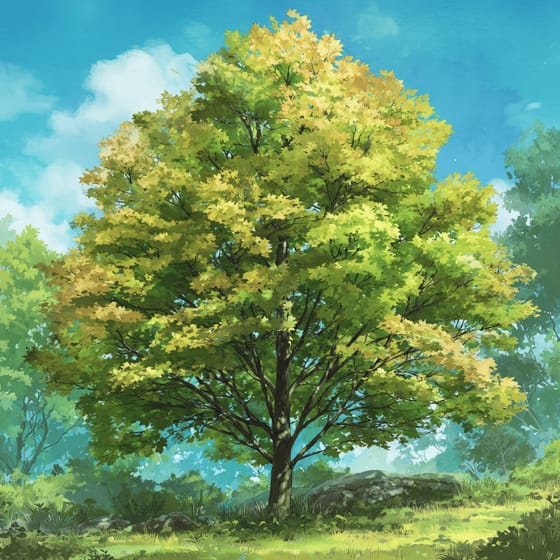
Acer saccharum
Breaks down fallen logs and branches.
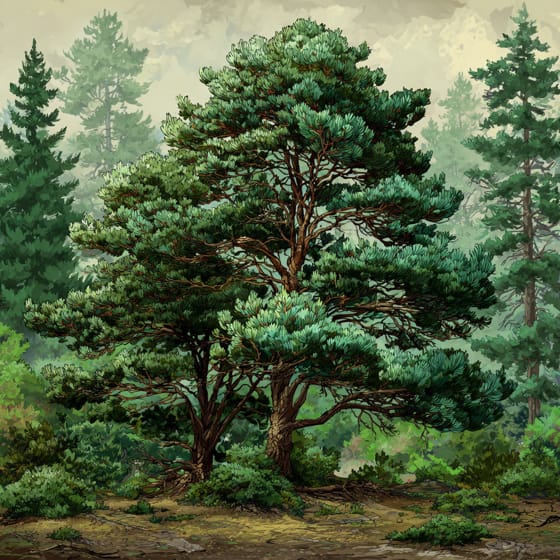
Pinus strobus
Digests dead coniferous wood.
Deciduous plants periodically shed all their leaves, typically during autumn or dry seasons.
Medicinal plants possess chemical compounds that can be used for therapeutic purposes to treat illnesses or maintain health.
Spore-producing organisms reproduce by releasing small, often single-celled, reproductive units called spores.
Describes organisms that break down dead organic material, recycling nutrients back into the ecosystem.

Forest habitats are terrestrial environments dominated by dense tree cover, supporting a high diversity of plant and animal life.
Danger
1/5 · Very low
Do not pick or eat anything you find. Some plants and mushrooms can be harmful.
1-4 cm
edible
2-10 cm
On decaying wood in forests
wood
Year-round
White
Zoom in to split clusters and explore where this object has been snapped.
Recent snaps will appear here as new observations are added.

Wisconsin, US
You might spot White-Tailed Deer, Common Eastern Bumble Bee, and Duck.
View guide →
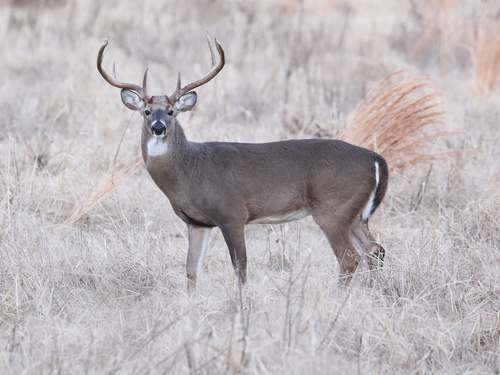
Pennsylvania, US
You might spot White-Tailed Deer, Canada Goose, and Great Blue Heron.
View guide →

Tennessee, US
You might spot Red Buckeye, Prairie Trillium, and Largeflower Bellwort.
View guide →
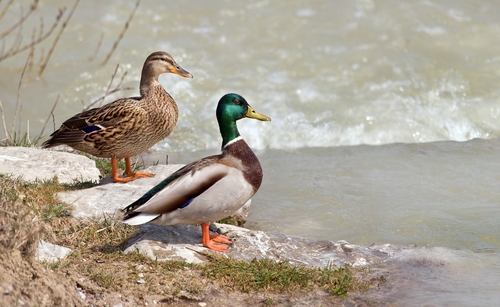
Michigan, US
You might spot Duck, Jack-In-The-Pulpit, and Mayapple.
View guide →
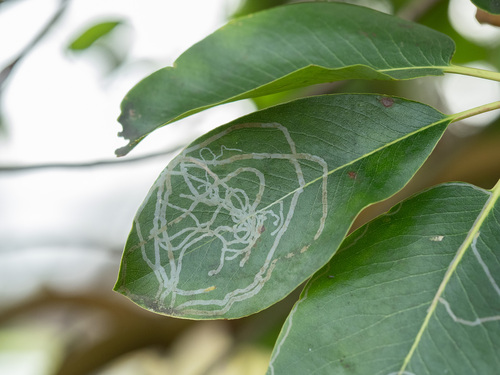
Washington, US
You might spot Madrone Skin Miner, Pacific Madrone, and Western Redcedar.
View guide →
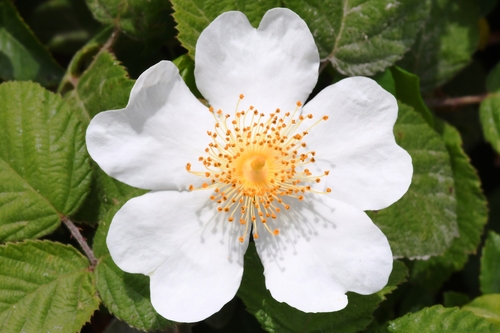
Virginia, US
You might spot Roses, Onions, and Broadleaf Arrowhead.
View guide →