Turkey Tail

T.O. Fuller State Park, nestled within the vibrant city of Memphis, Tennessee, is a remarkable oasis blending natural beauty with profound historical significance. Spanning over 1,100 acres, this unique park offers a refreshing escape with invigorating trails, diverse wildlife habitats, and important historical landmarks. It stands as a testament to resilience and progress, being the first state park east of the Mississippi River open to African Americans during segregation, providing a vital space for recreation and community.
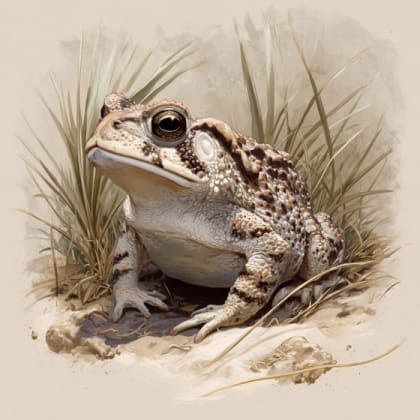
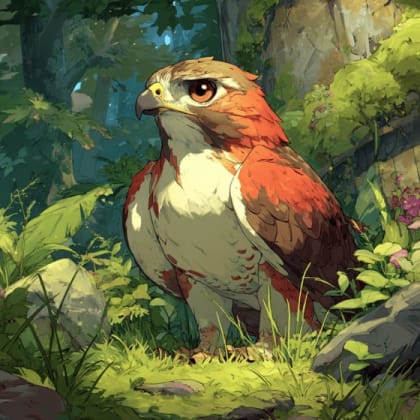
The park boasts a rich array of natural and recreational features designed to connect visitors with the outdoors. Hikers can explore a network of trails, including the Discovery Loop with its moderate challenges along the Chickasaw Bluffs, or the Tires to Trails path winding through wetlands and wildflower valleys, which is partly ADA-accessible. Wildlife enthusiasts will delight in the opportunity to spot a variety of birds like the Northern Cardinal and Red-shouldered Hawk, as well as mammals such as White-tailed Deer and Eastern Gray Squirrels. Keep an eye out for amphibians like the Southern Leopard Frog and Fowler's Toad. The park's diverse flora includes species like Red Buckeye, prairie trillium, and Christmas fern, offering seasonal splashes of color and interesting textures.
T.O. Fuller State Park is more than just a park; it's a living classroom and a tranquil retreat. It offers a chance to explore ancient Native American history at the C.H. Nash Museum at Chucalissa, located adjacent to the park. Whether you're seeking a peaceful stroll amidst blooming blue phlox and mayapple, a birdwatching adventure to catch a glimpse of the Yellow-crowned Night Heron or Gadwall, or a deeper understanding of American history, T.O. Fuller provides a memorable and enriching experience for all ages. Turn your visit into a safari! Use the Snappit app to scan and log wildlife sightings here.
T.O. Fuller State Park holds a deeply significant place in American history. Established in 1938 as Shelby County Negro State Park, it was a pioneering initiative by the Civilian Conservation Corps (CCC). This made it the first state park east of the Mississippi River to be open to African Americans, providing essential recreational opportunities during the era of segregation when other public facilities were off-limits. In 1942, the park was renamed in honor of Dr. Thomas Oscar Fuller, a prominent African American educator, pastor, and community leader who tirelessly championed African American rights. During the park's initial construction, CCC workers made a remarkable discovery in 1940: evidence of a prehistoric Native American village. This archaeological site, now known as Chucalissa Indian Village, includes preserved excavations and the C.H. Nash Museum, offering a fascinating glimpse into the region's ancient past.
Hike or bike on the varied trails, looking for species like Eastern Tiger Swallowtail butterflies or Smooth Yellow Violet.
Go birdwatching for Northern Cardinals, Red-shouldered Hawks, and migrating species, especially in spring and fall along Riverport Road or in the Wildlife Habitat Area.
Explore the C.H. Nash Museum at Chucalissa to learn about prehistoric Native American culture.
Enjoy a picnic amidst the park's natural beauty.
Camp in the renovated campground with RV and tent sites.
Fish in the park's lakes for catfish, bass, and bream.
Play tennis or basketball.
Spring: Wildflowers in bloom (e.g., Red Buckeye, prairie trillium, blue phlox), active migratory birds.
Summer: Lush green landscape, swimming pool open, potential for afternoon showers. Look for American pokeweed and Eastern Tiger Swallowtails.
Fall: Vibrant fall foliage, excellent for bird migration, goldenrod and ironweed flowers in the Wildlife Habitat Area.
Winter: Cooler, more serene park experience, some facilities may have reduced hours. Possible to spot Red-headed Woodpeckers and various sparrows.
T.O. Fuller State Park is committed to accessibility. Features include:
All-terrain wheelchairs** available for free, offering access to trails otherwise inaccessible.
Adult-sized changing tables** in the Visitor Center.
Colorblind viewers** to help those with color vision deficiency experience the park's vibrant colors.
Accessible parking, restrooms, and paved trails.
The **Honeysuckle Trail** is a sensory trail designed for the blind.
Part of the **Tires to Trails** path is ADA accessible.
Wheelchair-friendly RV campsites (sites 32 and 33) with accessible bathhouse proximity.
An archaeological site with preserved Native American village remnants and a museum.
Over 8 miles of trails, including the Discovery Loop, Tires to Trails (partially paved and ADA-accessible), and the Honeysuckle Trail (sensory trail).
Excellent for birding and wildlife viewing.
Open seasonally from Memorial Day weekend through late summer.
Each card links to a full Explore page with photos, traits, and fun facts.
Start with the big picture, then zoom in to explore individual wildlife observations around this place.
Wear comfortable shoes and bring insect repellent, especially if planning to hike.
Bring binoculars for birdwatching in the Wildlife Habitat Area.
Visit the C.H. Nash Museum at Chucalissa to enhance your understanding of the area's rich history.
If you plan to fish, ensure you have a valid Tennessee fishing license. Fishing gear can be rented on-site.
Be aware of your surroundings and take precautions, as the park is within a large metropolitan area. Lock your vehicle and avoid leaving valuables unattended.
Consider visiting during spring or fall for pleasant weather and prime wildlife viewing opportunities.
Nov 23, 2025
Sep 11, 2025
May 3, 2025
Aug 15, 2024
Jun 30, 2024

Maryland, US
You might spot White-Tailed Deer and Eastern Gray Squirrel.
View guide →
.jpg)
District of Columbia, US
You might spot Eastern Gray Squirrel, Duck, and House Sparrow.
View guide →

Illinois, US
You might spot American Robin, Canada Goose, and House Sparrow.
View guide →

Virginia, US
You might spot Spotted Lanternfly and Northern Cardinal.
View guide →
Take the discovery with you
Identify the wildlife you spot, learn as you go, and keep a collection of the adventure.