Stoat
Mustela erminea
The stoat is a small, furry animal that loves to explore! With a long body and short legs, it can be very quick and playful.
Habitat: Woodlands and fields
The Stoat is a small, slender mammal with a long body and short legs. It has brown fur on its back and sides, with a creamy white belly. A key feature is the black tip on its tail, which helps distinguish it from similar weasels.
Category
MammalsRarity
Common
Danger
1/5 · Very low
Snaps
Be the first to snap!
A group of stoats is sometimes called a "pack" or even a "gang"!
Despite their small size, stoats can take down prey much larger than themselves.
Stoats often perform a "weasel war dance" to confuse and mesmerize their prey!
They kill prey with a precise bite to the back of the neck, showing amazing hunting skill.
Stoats can change their brown fur to pure white in winter to blend perfectly with snow, helping them hide and hunt.
The Stoat has incredible agility and speed, allowing it to pursue and catch quick prey like mice and voles.
Stoats are excellent climbers, easily scampering up trees to raid nests or escape predators with their sharp claws.
A super speedy hunter, the stoat mostly eats small animals it catches with lightning-quick moves!
Myodes glareolus
Main food source for stoats.
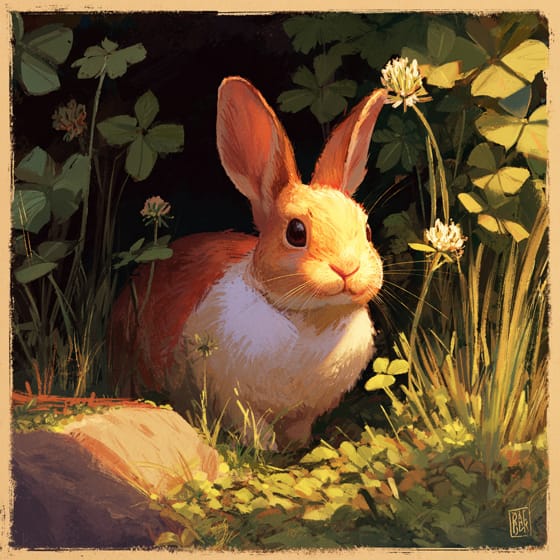
Oryctolagus cuniculus
Stoats hunt young or sick rabbits.
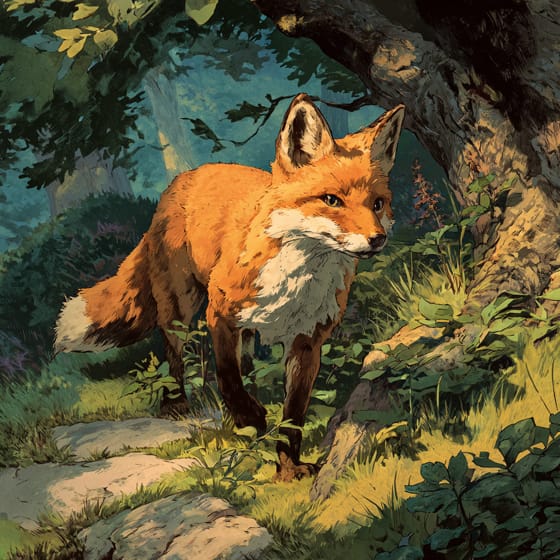
Vulpes vulpes
A common predator of stoats.
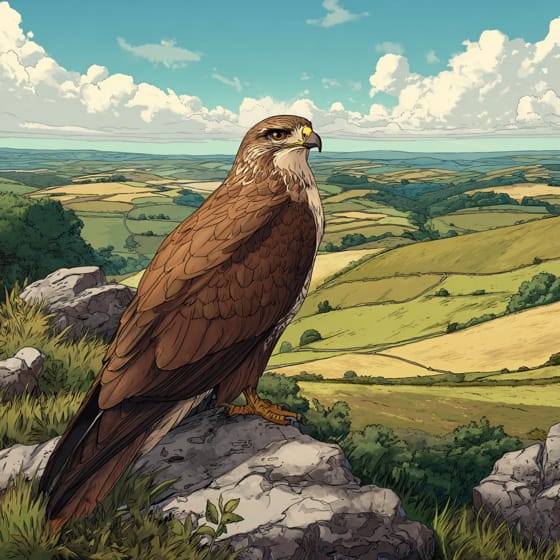
Buteo buteo
Large birds of prey hunt stoats.
Wildlife encompasses all undomesticated animal and plant life existing in their natural habitats.
Furry describes animals possessing a dense covering of soft hair or fur.
Solitary animals live alone for most of their lives, only interacting with others for mating or parental care.
An ambush predator hunts by patiently waiting and concealing itself, then launching a sudden attack when unsuspecting prey comes within range.

Forest habitats are terrestrial environments dominated by dense tree cover, supporting a high diversity of plant and animal life.

This trait identifies organisms whose diet consists entirely or primarily of animal tissue.

This trait identifies organisms that exhibit exceptional swiftness in movement for hunting, escape, or travel.

Nocturnal animals are primarily active during the nighttime hours, typically resting or sleeping during the day.
Danger
1/5 · Very low
Stoats are wild animals and should be watched from a distance. It's best to leave them in their homes and enjoy watching them safely.
17-33 cm
0.075-0.445 kg
1-3 years
35 km/h
A super speedy hunter, the stoat mostly eats small animals it catches with lightning-quick moves!
Woodlands and fields
Pursuit
4-9
Zoom in to split clusters and explore where this object has been snapped.
Recent snaps will appear here as new observations are added.