
Desert Tortoise
Gopherus agassizii
Desert tortoises are slow-moving reptiles that live in the hot deserts of North America. They have hard shells to protect themselves and can dig burrows to escape the heat.
Habitat: Desert
The Desert Tortoise has a high-domed, sturdy shell, typically grayish-brown to dark brown, that helps it blend seamlessly into its arid home. Its thick, elephantine legs and blunt head are similarly colored, appearing rough and scaly to the touch, contrasting with its smooth, darker shell patches.
Category
ReptilesRarity
Common
Danger
2/5 · Low
Snaps
Be the first to snap!
Baby tortoises, called hatchlings, dig their way out of their underground nests!
They can go a whole year without drinking water, getting moisture from plants!
Tortoise shells have growth rings, like a tree, revealing how old they are!
When scared, they pull their legs and head completely inside their strong shell!
Desert Tortoise can dig extensive burrows because its shovel-like front legs allow it to create cool, safe underground homes.
Desert Tortoise has large bladders that help them store water for a year, surviving long droughts in its desert habitat.
Desert Tortoise has a thick, domed shell that helps regulate its body temperature, protecting it from extreme desert heat.
Desert Tortoise can find rare desert flowers by smell, which helps them locate crucial food sources after rain.
They munch on desert plants, getting all the water and energy they need from tough leaves and flowers!
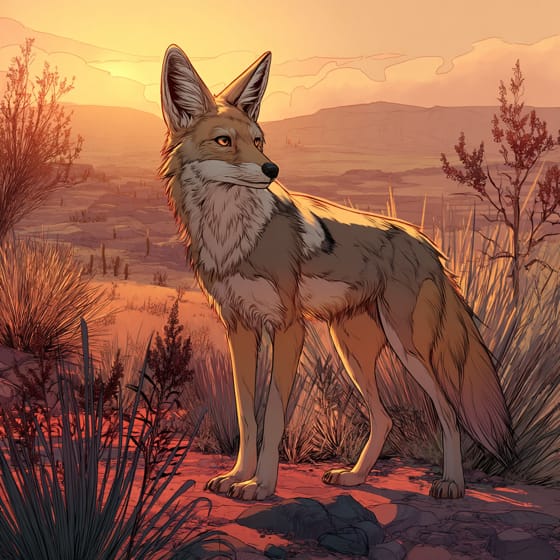
Canis latrans
Adult tortoises can be prey for coyotes.
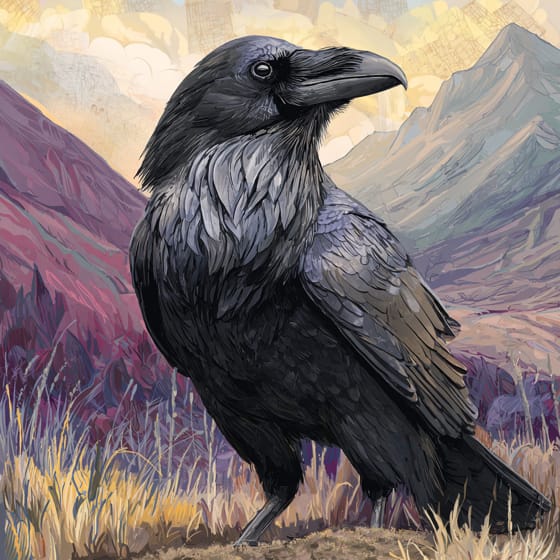
Corvus corax
Ravens frequently prey on vulnerable tortoise hatchlings.
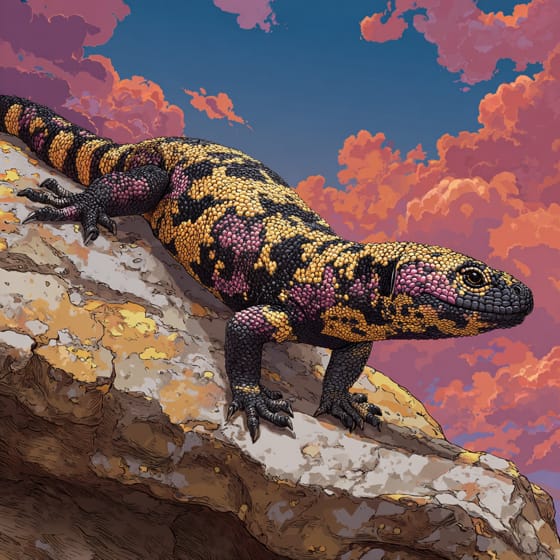
Heloderma suspectum
Gila Monsters may dig up and eat tortoise eggs.
Larrea tridentata
Tortoises use creosote bushes for shade and shelter.
Opuntia basilaris
This cactus is a vital food source for tortoises.
Wildlife encompasses all undomesticated animal and plant life existing in their natural habitats.
Burrowing animals dig tunnels and chambers in the ground, using these subterranean structures for shelter, hunting, or breeding.
This trait characterizes organisms whose diet consists entirely or primarily of plant material.
Thermoregulating organisms maintain a stable internal body temperature despite fluctuations in the external environment.

Desert habitats are arid regions characterized by extremely low precipitation and often extreme temperatures, supporting specialized flora and fauna.

This trait characterizes organisms with an exceptionally long lifespan compared to others of their kind.
Danger
2/5 · Low
Always observe desert tortoises from a distance and never disturb them in their natural habitat.
25-38 cm
4-7 kg
50-80 years
0.5 km/h
They munch on desert plants, getting all the water and energy they need from tough leaves and flowers!
Desert
Grazing
1-12
Zoom in to split clusters and explore where this object has been snapped.
Recent snaps will appear here as new observations are added.