

White Spruce
Picea alba Link
The White Spruce is a tall tree with short, sharp needles and a nice, conical shape. It is often found in cold places.
Habitat: Cold forests and tundras
The White Spruce has sharp, four-sided needles that are often bluish-green, especially on new growth. Its bark is thin, scaly, and grey-brown, giving it a somewhat rough appearance. It typically grows into a classic conical Christmas tree shape, making it easily recognizable.
Category
TreesRarity
Common
Danger
1/5 · Very low
Snaps
Be the first to snap!
Crush its needles, and you might smell something surprisingly like cat pee!
Indigenous people historically used spruce roots for sewing canoes and baskets.
Many animals, like squirrels and birds, love to feast on its nutritious seeds.
You can brew a vitamin C-rich tea from its fresh needles, especially in winter!
White Spruce has thick, waxy needles and a conical shape that sheds heavy snow, helping it survive harsh winter conditions.
Its cones open when dry, releasing winged seeds that travel on the wind, allowing the tree to spread far and wide.
The tree produces sticky resin that seals wounds from insects or damage, acting like a natural bandage.
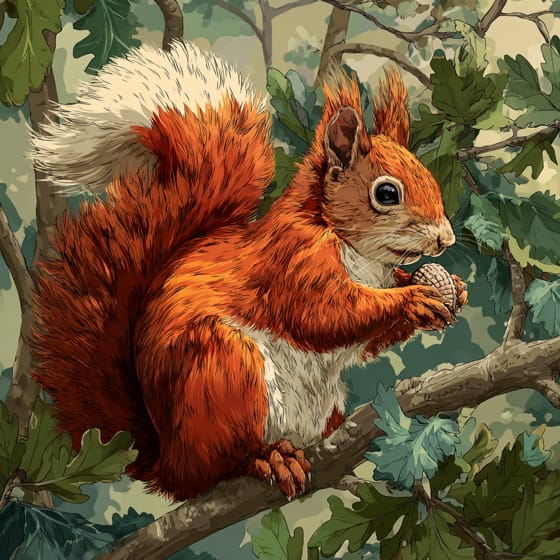
Tamiasciurus hudsonicus
Gathers and stores its seeds for winter.
Loxia curvirostra
Specialized beak extracts seeds from cones.
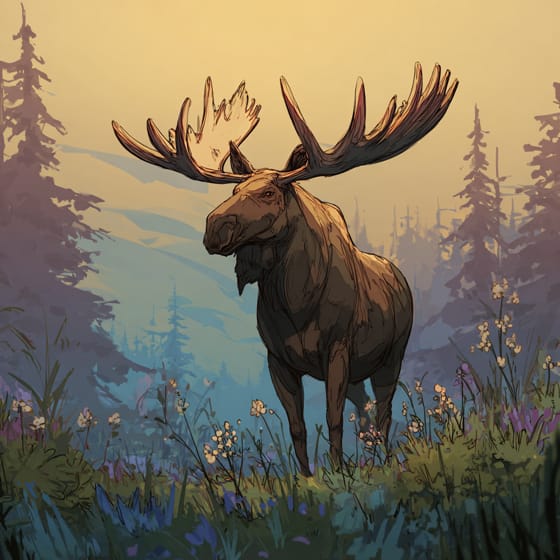
Alces alces
Browses on its young shoots and needles.
Choristoneura fumiferana
Larvae feed on new needles, causing defoliation.
Cold hardy plants are able to withstand low temperatures and freezing conditions without significant damage.
Coniferous plants are typically evergreen, bearing needles or scales and reproductive cones.
Evergreen plants retain their foliage throughout the year, never shedding all their leaves at once.
Timber refers to wood that has been prepared for use in building and carpentry.

This habitat trait refers to species inhabiting tundras, which are treeless biomes characterized by permafrost, cold temperatures, and low-growing vegetation.

Forest habitats are terrestrial environments dominated by dense tree cover, supporting a high diversity of plant and animal life.

This trait characterizes organisms with an exceptionally long lifespan compared to others of their kind.
Danger
1/5 · Very low
Do not pick or eat anything you find. Some plants and mushrooms can be harmful.
15-30 m
5-8 m
Yes
30-60 cm
150-250 years
Cold forests and tundras
Cone
Medium
Zoom in to split clusters and explore where this object has been snapped.
Recent snaps will appear here as new observations are added.
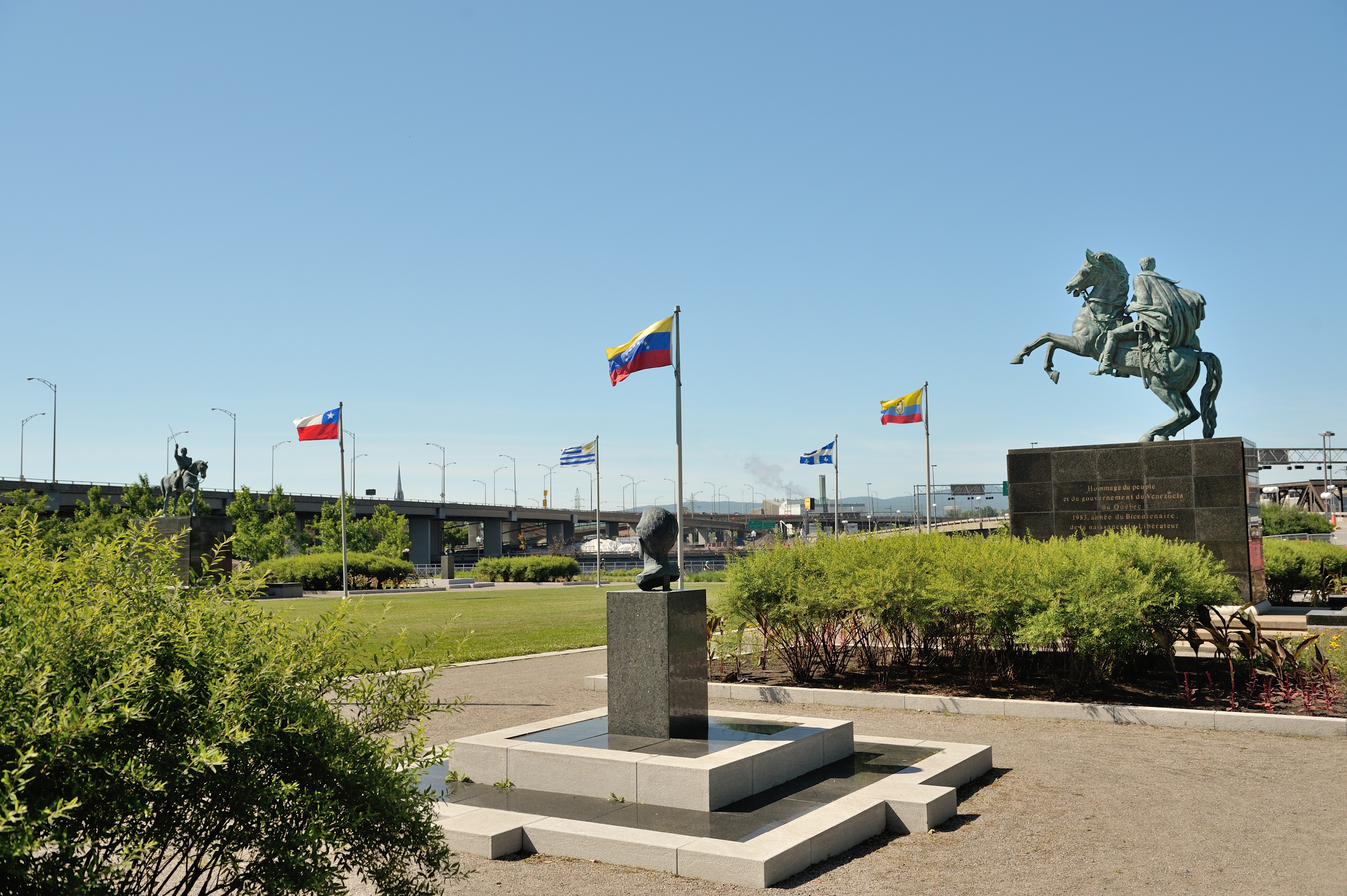
Quebec, CA
You might spot Double-Crested Cormorant, Rock Pigeon, and Wild Bergamot.
View guide →
.jpg)
South Dakota, US
You might spot Least Chipmunk and Rocky Mountains Ponderosa Pine.
View guide →
Michigan, US
You might spot Alder Buckthorn, Bulblet Fern, and Western Poison Ivy.
View guide →