Cave Swallow
Petrochelidon fulva
The Cave Swallow is a small bird with a shiny blue back and a buffy chest. It builds its nest in caves and cliffs, using mud to create cozy homes for its family.
Habitat: Caves, Cliffs
The Cave Swallow has a glossy blue-black back with chestnut-colored cheeks and forehead, contrasting with a creamy white belly. Its distinctive square tail helps differentiate it from swallows with deeply forked tails.
Category
BirdsRarity
Common
Danger
1/5 · Very low
Snaps
Be the first to snap!
Cave Swallows can fly for hours without landing, catching all their meals while on the wing!
Sometimes, thousands of Cave Swallows nest together, making a giant chattering bird city!
Their sticky saliva acts like super-glue to hold mud nests securely onto cave walls or bridges!
They drink water in flight, scooping sips by skimming pond surfaces like tiny jet skis!
Cave Swallows can build intricate, gourd-shaped mud nests, glued together with saliva, that help protect their young.
Cave Swallows have incredible agility in flight that helps them catch fast-moving insects mid-air for food.
Cave Swallows have adapted to nest in large colonies within dark caves, providing safety in numbers.
These speedy birds are expert insect hunters, gobbling up flies, mosquitoes, and beetles mid-air!
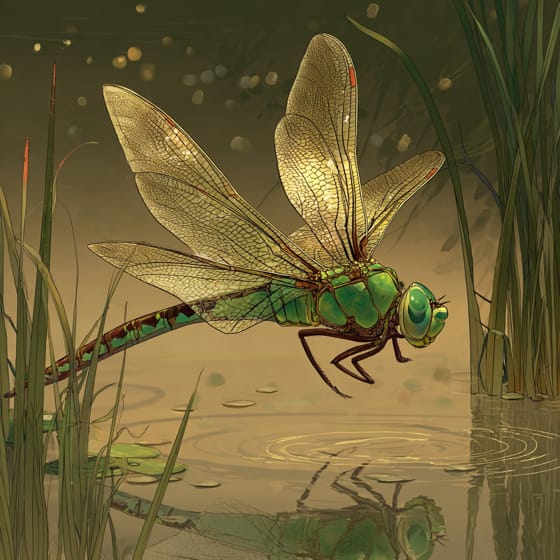
Anax junius
Main food source
Musca domestica
Common insect prey
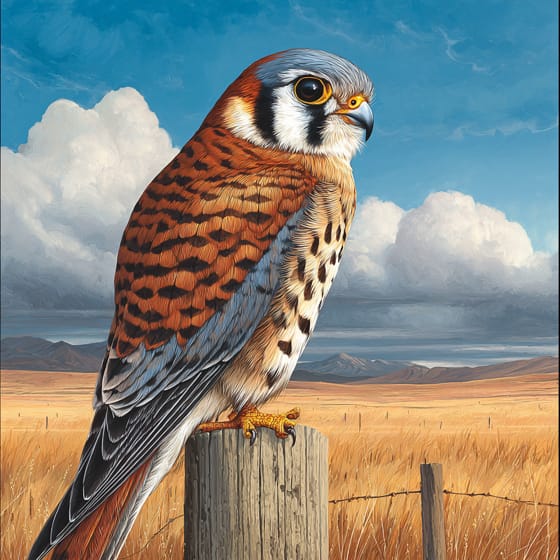
Falco sparverius
Predator of adults
Pantherophis obsoletus
Raids nests for eggs/chicks
Tadarida brasiliensis
Often shares cave habitats
Wildlife encompasses all undomesticated animal and plant life existing in their natural habitats.
Feathered describes animals, primarily birds, possessing a covering of feathers.
Social animals live in organized groups, cooperating for survival benefits such as foraging, defense, and raising offspring.
Aerial creatures spend a significant portion of their lives airborne, utilizing flight for various activities such as hunting, migration, or nesting.

Cave dwelling describes organisms specifically adapted to live in underground cave systems, often exhibiting specialized traits due to lack of light.

This trait identifies organisms whose diet primarily consists of insects and other small invertebrates.
No aliases listed yet.
Danger
1/5 · Very low
Enjoy watching these birds from a safe distance to avoid disturbing their nests.
12-15 cm
28-30 cm
0.016-0.024 kg
4-8 years
60 km/h
These speedy birds are expert insect hunters, gobbling up flies, mosquitoes, and beetles mid-air!
Caves, Cliffs
Pursuit
Zoom in to split clusters and explore where this object has been snapped.
Recent snaps will appear here as new observations are added.