





Manx Shearwater
Puffinus griseus
The Manx Shearwater is a seabird that glides gracefully over the ocean. It has a sleek body and long wings!
Habitat: Open oceans and coastal areas
The Manx Shearwater has striking blackish-brown upperparts and pure white underparts, with a distinct line where the dark and light feathers meet. It possesses a slender body, long narrow wings, and a thin, dark bill with tube-like nostrils.
Category
BirdsRarity
Common
Danger
2/5 · Low
Snaps
1
A single Manx Shearwater chick is raised by both parents who take turns flying far out to sea to hunt!
Despite their small size, Manx Shearwaters can live for over 50 years, making them very long-lived birds!
These incredible birds spend nearly their whole lives flying over the open ocean, rarely touching land!
When they return to their breeding islands, they often find the exact same burrow they used last year!
Manx Shearwater can 'fly' underwater using its wings, chasing fish far below the surface with incredible agility.
Manx Shearwater has an amazing internal compass, helping it find its way across vast oceans for thousands of kilometers.
Manx Shearwater has special glands that remove excess salt, allowing it to drink ocean water without harm.
Manx Shearwater can dig long burrows into soft ground on islands, creating safe nests for its chick.
Tiny fish, squid, and crustaceans make up their ocean meals.
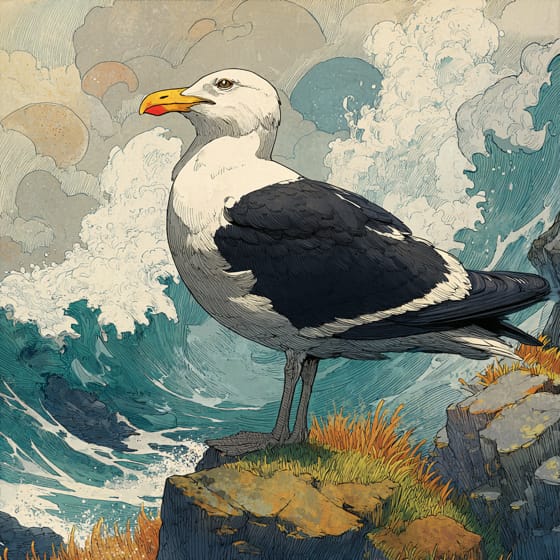
Larus marinus
Gulls prey on chicks and eggs at breeding colonies.
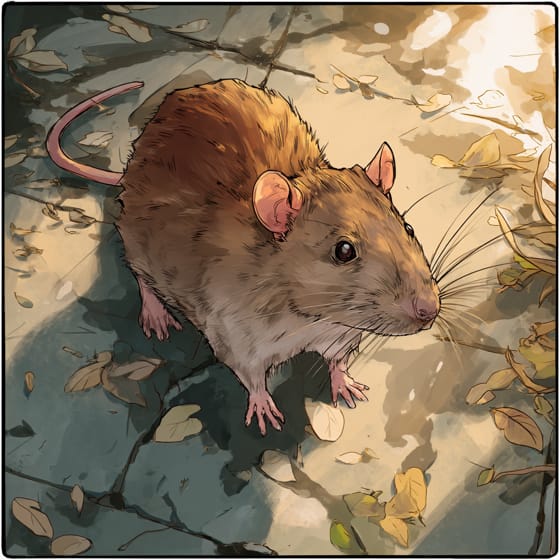
Rattus norvegicus
Introduced rats can devastate eggs and chicks in burrows.
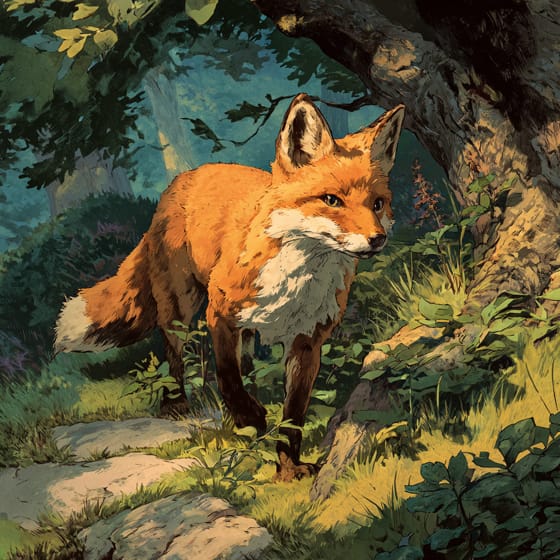
Vulpes vulpes
Foxes can prey on adults and chicks where they share breeding islands.
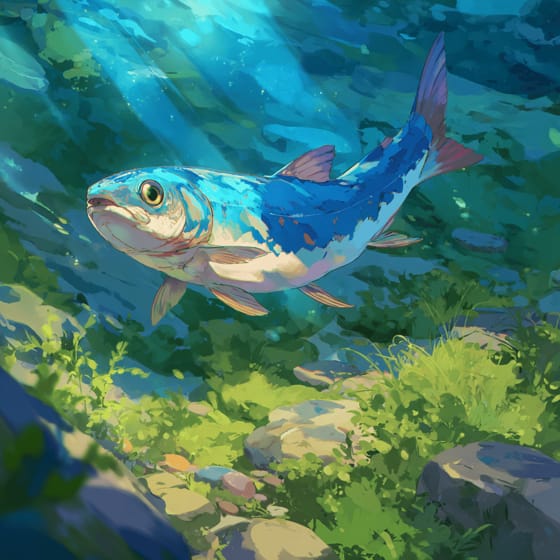
Clupea harengus
A primary food source caught by diving and pursuit underwater.
Loligo forbesii
Manx Shearwaters dive to catch this common squid species.
Feathered describes animals, primarily birds, possessing a covering of feathers.
Aerial creatures spend a significant portion of their lives airborne, utilizing flight for various activities such as hunting, migration, or nesting.
Gliding animals move through the air by launching themselves and maintaining flight with specialized body structures, without flapping wings.
Piscivorous organisms are animals that primarily subsist on a diet of fish.

Aquatic habitats encompass environments where organisms live predominantly in water, including oceans, rivers, lakes, and wetlands.

Marine habitats encompass all saltwater environments of the Earth's oceans, supporting an immense diversity of aquatic life.

Migratory animals undertake seasonal movements from one region to another, typically in response to changes in climate or food availability.

Nocturnal animals are primarily active during the nighttime hours, typically resting or sleeping during the day.
Danger
2/5 · Low
Watch quietly from a distance and never try to feed or chase wild animals.
The easiest way to identify Manx Shearwater is to use the Snappit nature identifier app.
30-38 cm
76-89 cm
0.35-0.55 kg
20-55 years
60 km/h
Tiny fish, squid, and crustaceans make up their ocean meals.
Open oceans and coastal areas
Zoom in to split clusters and explore where this object has been snapped.
Take the discovery with you
Snap it with Snappit to identify it, learn what makes it special, and add the discovery to your collection.






.jpg&width=800)








