




Tree Swallow
Tachycineta bicolor
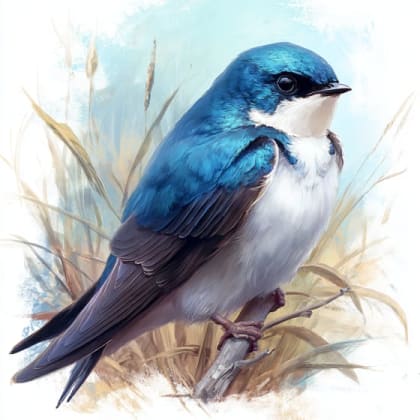
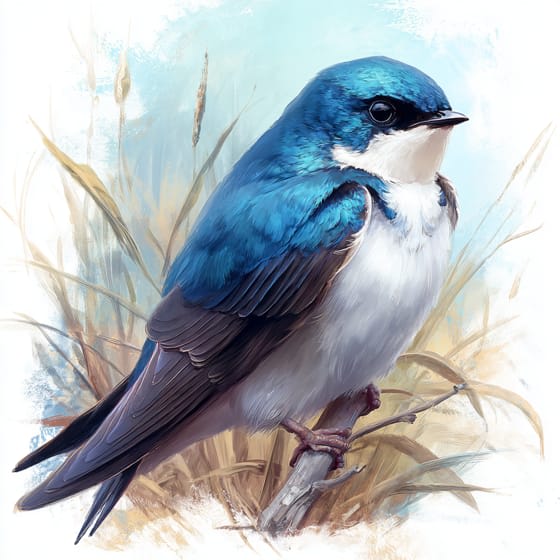
The Tree Swallow is a small, colorful bird with shiny greenish-blue feathers. They love to fly high and catch insects in the air!
Habitat: Open fields near water, like lakes and rivers.
The Tree Swallow has an iridescent, metallic blue-green back and a pure white belly, giving it a striking contrast. Its sleek body and pointed wings make it distinct from other swallow species, which may have darker undersides or different tail shapes.
Category
BirdsRarity
Common
Danger
1/5 · Very low
Snaps
15
A single Tree Swallow can catch over 2,000 flying insects in one day!
These birds use their sticky saliva to help build their cozy nests!
They often use old woodpecker holes or human-made nest boxes.
Tree Swallows sometimes sunbathe to help get rid of tiny parasites!
Tree Swallows can dart and weave through the air because of their sleek body and pointed wings that help them catch flying insects.
Tree Swallows can eat waxy berries in winter because their unique digestive system allows them to process plant matter when insects are scarce.
Tree Swallows have soft, white breast feathers that help them insulate their nests, keeping their eggs and chicks warm and cozy.
Acrobatic birds primarily feast on flying insects, but can also eat berries when bugs are scarce.
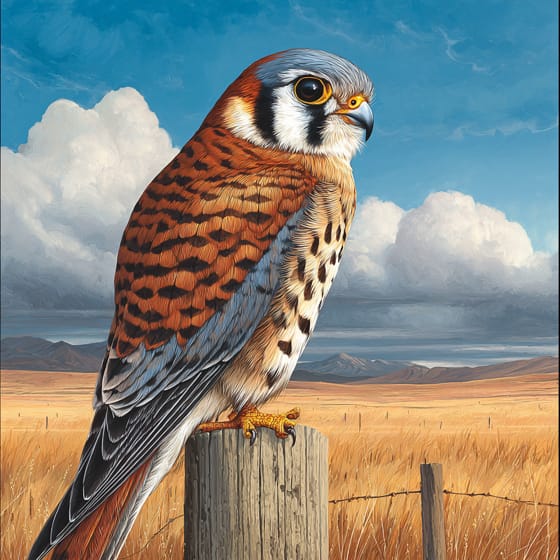
Falco sparverius
A quick raptor that may prey on adult swallows.
Thamnophis sirtalis
Climbs trees to raid nests for eggs and chicks.
Myrica pensylvanica
Eats waxy berries for energy during cold months.
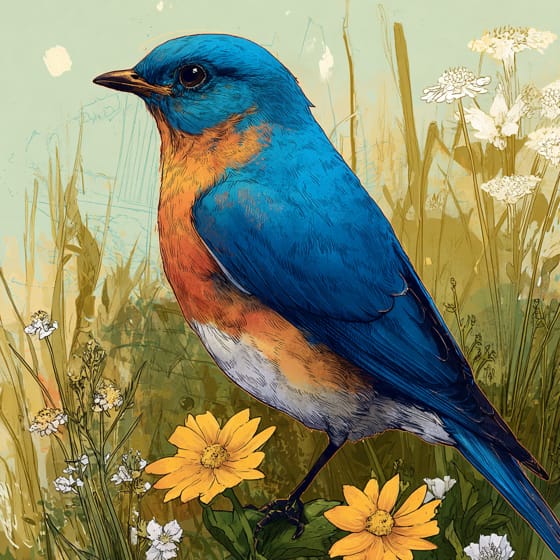
Sialia sialis
Competes with swallows for coveted nesting cavities.
Wildlife encompasses all undomesticated animal and plant life existing in their natural habitats.
Feathered describes animals, primarily birds, possessing a covering of feathers.
Aerial creatures spend a significant portion of their lives airborne, utilizing flight for various activities such as hunting, migration, or nesting.
Colorful describes organisms or objects displaying a wide range of bright and distinct colors.

This trait identifies organisms whose diet primarily consists of insects and other small invertebrates.

Forest habitats are terrestrial environments dominated by dense tree cover, supporting a high diversity of plant and animal life.

Migratory animals undertake seasonal movements from one region to another, typically in response to changes in climate or food availability.
Danger
1/5 · Very low
Tree Swallows are friendly and not dangerous. Just enjoy watching them from a distance!
12-15 cm
30-34 cm
0.017-0.021 kg
2-8 years
60 km/h
Acrobatic birds primarily feast on flying insects, but can also eat berries when bugs are scarce.
Open fields near water, like lakes and rivers.
Pursuit
Zoom in to split clusters and explore where this object has been snapped.

Minnesota, US
You might spot Rue Anemone, Eastern Skunk Cabbage, and Bloodroot.
View guide →
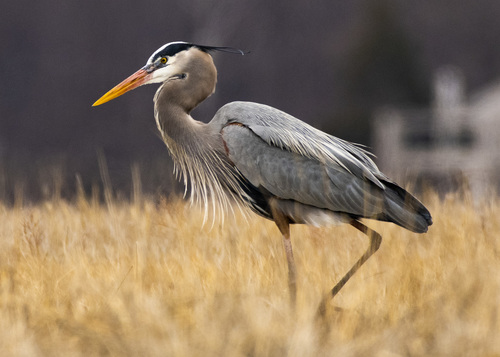
Virginia, US
You might spot Great Blue Heron, Canada Goose, and Red-Winged Blackbird.
View guide →

Pennsylvania, US
You might spot White-Tailed Deer and Mile-A-Minute Weed.
View guide →
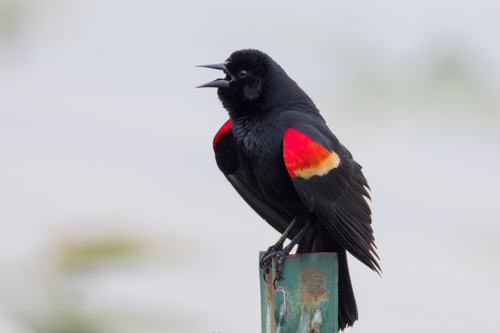
British Columbia, CA
You might spot Red-Winged Blackbird, Tree Swallow, and Great Blue Heron.
View guide →
.jpg)
South Dakota, US
You might spot Leopard Frog, Red-Winged Blackbird, and Dame's Rocket.
View guide →

Connecticut, US
You might spot Wild Rose, American Herring Gull, and Osprey.
View guide →