Wild Rose
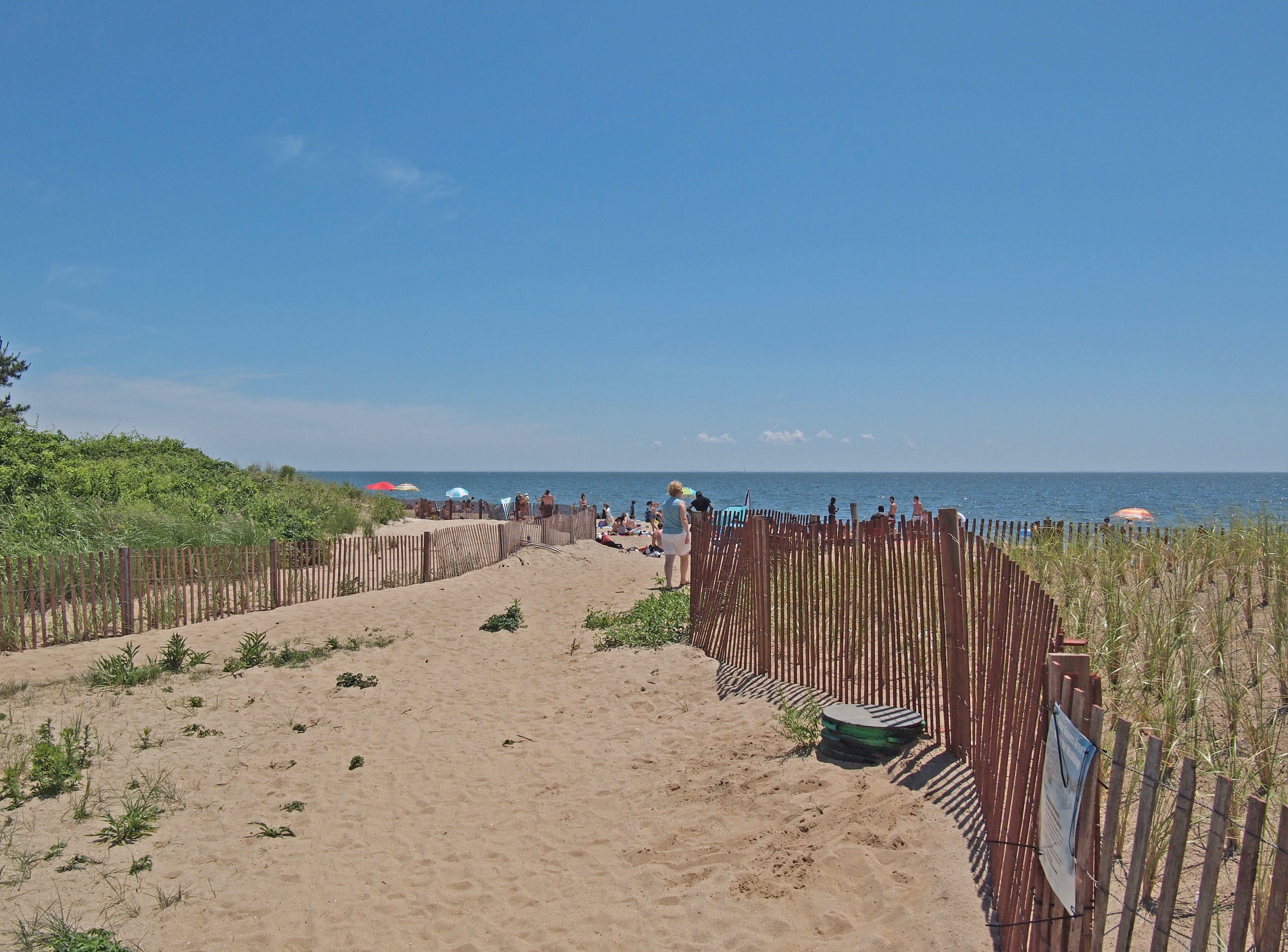
Hammonasset Beach State Park is a jewel on the Connecticut shoreline, beckoning visitors with its expansive two-mile sandy beach, diverse ecosystems, and a wealth of recreational opportunities.
Hammonasset Beach State Park is a jewel on the Connecticut shoreline, beckoning visitors with its expansive two-mile sandy beach, diverse ecosystems, and a wealth of recreational opportunities. As Connecticut's largest shoreline park, it offers a unique blend of coastal beauty and natural wonder, where the rhythmic lapping of the Long Island Sound meets tranquil salt marshes and vibrant coastal forests. This haven is not just for beachgoers; it's a critical stopover for migratory birds and home to a rich variety of plant and animal life, making it a truly special destination for nature lovers and families alike.
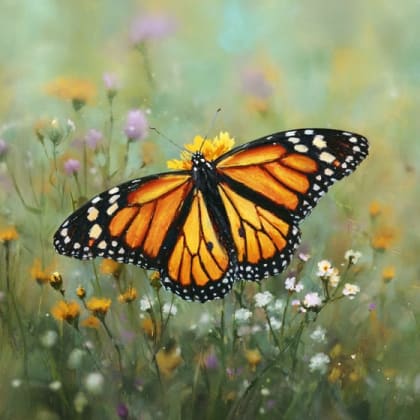
The park's diverse habitats teem with life, providing countless opportunities for wildlife observation. Birdwatchers can delight in spotting Ospreys soaring overhead, American Herring Gulls and Ring-billed Gulls dotting the shoreline, and even rarer species like the Willet or Great Egret in the marshes. The Meigs Point Nature Center serves as an educational hub, offering hands-on experiences with local marine life. Beyond the sandy shores, trails wind through coastal forests and salt marshes, where you might encounter the hardy rugosa rose, stately eastern redcedar, or shining sumac, and keep an eye out for Monarch butterflies fluttering by, especially during migration season.
Hammonasset Beach State Park offers an unforgettable escape, whether you're building sandcastles, cycling along the scenic Shoreline Greenway Trail, or exploring the rich coastal ecology. It’s a place where family memories are forged through camping under the stars, guided nature walks, or simply enjoying the breathtaking views of Long Island Sound. With its blend of recreational activities, educational programs, and natural beauty, Hammonasset provides a memorable experience that connects visitors with the dynamic coastal environment of Connecticut. Don't forget to bring the Snappit nature identification app along to scan local species.
The name "Hammonasset" originates from an Eastern Woodland Indian term meaning "where we dig holes in the ground," referencing the area's historical use by Native Americans for farming along the Hammonasset River, where they cultivated corn, beans, and squash, and engaged in fishing and hunting. The first colonists arrived in 1639, and the land changed hands frequently over the years. Notably, in 1898, the Winchester Repeating Arms Company utilized the site as a testing ground for their new rifles. Hammonasset Beach State Park officially opened to the public on July 18, 1920, quickly gaining popularity and attracting over 75,000 visitors in its first season. During World War II, the park was temporarily closed to the public and served as an army reservation, with Meigs Point used as an aircraft range. The stone breakwater at Meigs Point was constructed in 1955. Today, Hammonasset continues to be a cherished destination, welcoming over a million visitors annually.
Biking, hiking, kayaking, canoeing, surfcasting, fishing from the breakwater.
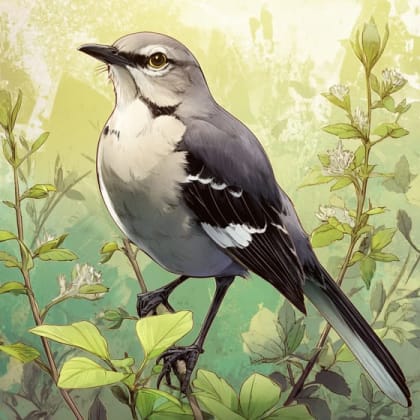
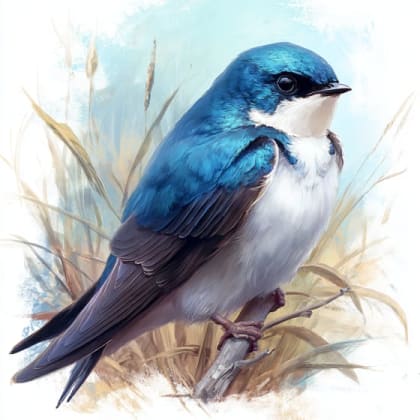
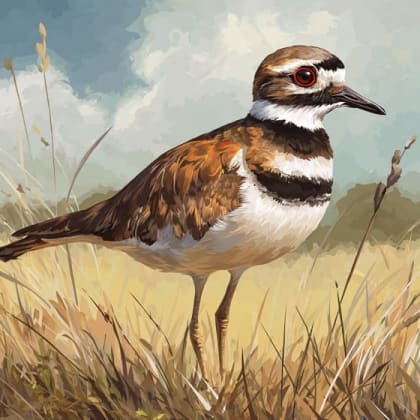
Wildlife Observation: Birdwatching (Osprey, various gulls, Great Egret, Willet, migratory songbirds), spotting Monarch butterflies, and marine life at the Nature Center.
Camping: Stay at one of the 558 campsites or 8 rustic cabins.
Summer: Peak season for beach activities, lifeguards on duty. Water temperatures are warm for swimming.
Spring: Migratory birds (like Yellow-rumped Warblers) pass through; water may still be cold for swimming.
Fall: Excellent for bird migration and seeing Monarch butterflies. Foliage changes offer photographic opportunities.
Winter: Dramatic coastal scenery, fewer crowds, opportunities for spotting wintering seabirds and occasional marine animals like Harbor Seals.
The park is handicap accessible and offers accessible bathrooms, a boardwalk, and surf chairs available free of charge. Paved multi-use trails, like sections of the Hammonasset Beach State Park Walk and Shoreline Greenway Trail, are suitable for wheelchairs.
Two-mile sandy beach along Long Island Sound.
Features a saltwater touch tank, live animals, and educational exhibits on local flora, fauna, and geology.
A 3/4 mile boardwalk perfect for strolling and enjoying ocean views.
Includes paved multi-use paths like the Shoreline Greenway Trail, and natural trails like Meigs Point Trail and Willard's Island Trail, offering diverse habitats for exploration.
Each card links to a full Explore page with photos, traits, and fun facts.
Start with the big picture, then zoom in to explore individual wildlife observations around this place.
Arrive Early on Summer Weekends
The park can reach capacity quickly during peak summer days, especially on weekends. Arriving early will help ensure entry and better parking spots.
Visit the Meigs Point Nature Center
Don't miss this educational hub for interactive exhibits and a saltwater touch tank. It's a great place to learn about the local ecosystem and see live marine animals.
Explore the Trails
Beyond the beach, Hammonasset offers miles of trails suitable for walking and biking, including paved options. These trails provide excellent birdwatching opportunities and different perspectives of the park's diverse habitats.
Bring Binoculars for Birdwatching
Hammonasset is a Globally Significant Bird Area. Binoculars will enhance your chances of spotting Ospreys, Willets, Great Egrets, and various migratory songbirds.
Check Pet Regulations Seasonally
If you plan to bring your dog, be aware that rules regarding pets on the beach and in the campground vary significantly by season. Always check current regulations before your visit.
Pack Essentials
Bring sunscreen, hats, plenty of water, and comfortable shoes for walking on trails and the beach. If camping, ensure you have a raised fire pit as ground fires are not permitted.
Jan 28, 2026
Jan 28, 2026
Jan 28, 2026
Jan 28, 2026
Jan 22, 2026

Maryland, US
You might spot White-Tailed Deer and Eastern Gray Squirrel.
View guide →
.jpg)
District of Columbia, US
You might spot Eastern Gray Squirrel, Duck, and House Sparrow.
View guide →

Illinois, US
You might spot American Robin, Canada Goose, and House Sparrow.
View guide →

Virginia, US
You might spot Spotted Lanternfly and Northern Cardinal.
View guide →
Take the discovery with you
Identify the wildlife you spot, learn as you go, and keep a collection of the adventure.