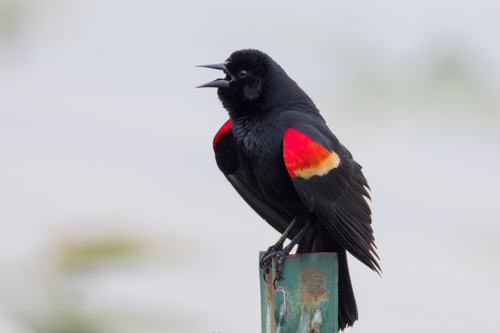
Red Winged Blackbird
Iona Beach Regional Park, where the mighty Fraser River embraces the Pacific, offers a truly unique coastal experience just a short drive from Vancouver.
Iona Beach Regional Park, where the mighty Fraser River embraces the Pacific, offers a truly unique coastal experience just a short drive from Vancouver. This regional park is a serene escape, celebrated for its expansive natural landscapes, diverse ecosystems, and panoramic vistas of the ocean, mountains, and even planes taking off from the nearby international airport. It stands out as a vital sanctuary for wildlife, particularly birds, making it a globally significant stopover on the Pacific Flyway.
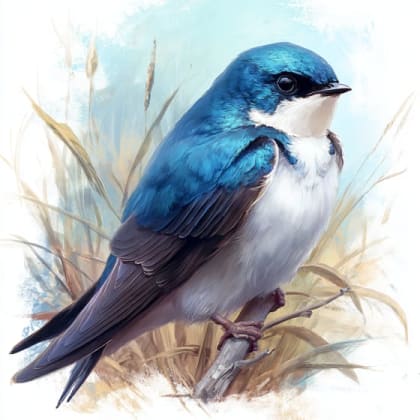
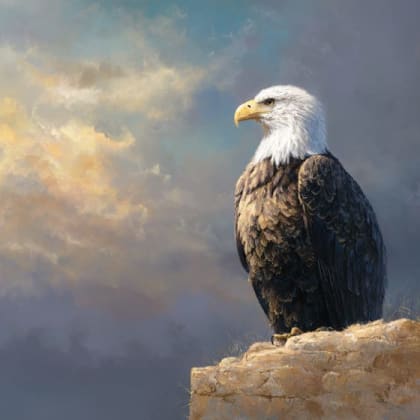
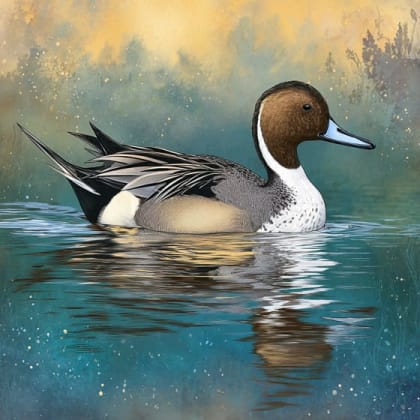
The park's distinctive geography is defined by two extensive jetties stretching into the water, creating over 20 kilometers of sandy coastline, rare sand dune habitats, and crucial marshlands. Visitors can explore the 4-kilometer Iona Jetty Trail, a popular route for walking and cycling, offering breathtaking 360-degree views of the Strait of Georgia, the North Shore mountains, and Vancouver Island. The park is a birder's paradise, home to over 300 recorded bird species, including readily observable ones like the Red-winged Blackbird, Tree Swallow, Great Blue Heron, Bald Eagle, Snow Goose, Song Sparrow, Northern Pintail, Yellow-rumped Warbler, and Mallard. Keep an eye out for other wildlife such as the elusive Coyote, North American River Otter, and Harbor Seal.
Iona Beach Regional Park is more than just a destination; it's an immersion into the vibrant natural tapestry where river meets sea. Its flat, accessible trails make it ideal for all ages and activity levels, whether you're seeking a leisurely stroll, an invigorating bike ride, or an unparalleled birdwatching adventure. The opportunity to witness stunning sunsets over the Pacific, combined with the unique spectacle of aircraft ascending and descending, creates memorable moments that beckon visitors back to this tranquil yet dynamic landscape. Explore the grounds like a pro—download the Snappit app to instantly identify animals and plants.
Iona Beach Regional Park officially opened its gates in 1990. Its establishment and subsequent development were significantly influenced by the YVR Habitat Compensation Program, implemented after the construction of the Vancouver International Airport's second runway in 1992. As part of this program, the park undertook crucial habitat restoration efforts, including the creation of 400 meters of tidal channels and the planting of approximately 1500 native trees and shrubs to compensate for lost wetlands. The park is situated on what was formerly Iona Island, which was historically a sandbar that was once farmed. Today, Iona Island is a peninsula connected to Sea Island and is also notably home to a primary wastewater treatment plant, which plays a role in the park's unique ecosystem, with its treatment ponds attracting numerous bird species.
Engage in hiking, biking, birdwatching, beachcombing, picnicking, sightseeing, and nature photography. The flat trails are suitable for running or a leisurely stroll.
The park is accessible year-round, even in wet weather, due to its good drainage. Summer days can be hot and exposed, so sun protection is essential. Strong winds are common on the jetties, making layered clothing advisable. Park hours vary seasonally, with extended hours in summer, but gates are generally locked at night.
Iona Beach Regional Park boasts flat and easy-to-navigate trails, suitable for all fitness levels. The washrooms, picnic areas, boardwalk, observation platform at South Marsh, and the cycle path on Iona Jetty are all wheelchair and stroller accessible.
A 4 km long structure extending into the Strait of Georgia, offering breathtaking views, walking, and cycling opportunities.
A sandy bar characterized by sand dune ecosystems and a driftwood log graveyard, walkable at low tide.
Prime birdwatching locations, especially the ponds on the east side of the park.
Provides excellent views for birdwatching.
Each card links to a full Explore page with photos, traits, and fun facts.
Start with the big picture, then zoom in to explore individual wildlife observations around this place.
Dress for the weather
The jetties are exposed and can be very windy, so wearing layers and checking the weather forecast is recommended. Wind shelters are available along the Iona Jetty.
Bring optics
Binoculars are highly recommended for birdwatching, and a spotting scope can enhance plane watching and distant wildlife viewing.
Arrive early on busy days
Parking, while generally ample and free, can fill up quickly during summer months and holidays. Arriving early will help secure a spot.
Check tide tables
If you plan to explore the mudflats or walk along the North Arm Jetty, consulting a tide schedule beforehand will ensure the best experience.
Stay hydrated and protected
With minimal shade on the jetties, bringing water, sunscreen, and a hat is crucial, especially on sunny days.
Respect wildlife and habitat
Always stay on designated trails to minimize erosion and protect sensitive ecosystems. Keep dogs leashed in designated areas and away from wildlife habitats.
Jan 27, 2026
Jan 27, 2026
Jan 27, 2026
Jan 27, 2026
Jan 27, 2026

Maryland, US
You might spot White-Tailed Deer and Eastern Gray Squirrel.
View guide →
.jpg)
District of Columbia, US
You might spot Eastern Gray Squirrel, Duck, and House Sparrow.
View guide →

Illinois, US
You might spot American Robin, Canada Goose, and House Sparrow.
View guide →

Virginia, US
You might spot Spotted Lanternfly and Northern Cardinal.
View guide →
Take the discovery with you
Identify the wildlife you spot, learn as you go, and keep a collection of the adventure.