Molly
Poecilia sphenops
Mollies are friendly fish that come in many colors and shapes! They love to swim around and can be found in schools.
Habitat: Freshwater lakes and brackish waters
The Molly has a torpedo-shaped body with a slightly flattened belly and can come in an incredible variety of colors, from silvery-grey to jet black or spotted patterns. Many species feature distinctively large, fan-like dorsal fins.
Category
FishRarity
Common
Danger
2/5 · Low
Snaps
Be the first to snap!
A single female Molly can give birth to over 100 live babies in one go!
Believe it or not, Mollies are known to enjoy eating mosquito larvae, helping control insect populations!
Molly fish can change their body color slightly to blend in better with their surroundings!
Some Molly species have extra-large dorsal fins, making them look like tiny aquatic sailboats.
Molly can live in fresh, brackish, or even saltwater because of its super adaptable kidneys, helping them survive diverse habitats.
Molly has a unique reproductive strategy, giving birth to tiny, fully formed live babies that helps them skip the egg stage.
Molly can graze on vast amounts of algae because of its specialized mouthparts, which keeps their habitats cleaner.
Mollies are omnivores, munching on tiny plants and small critters found in the water.
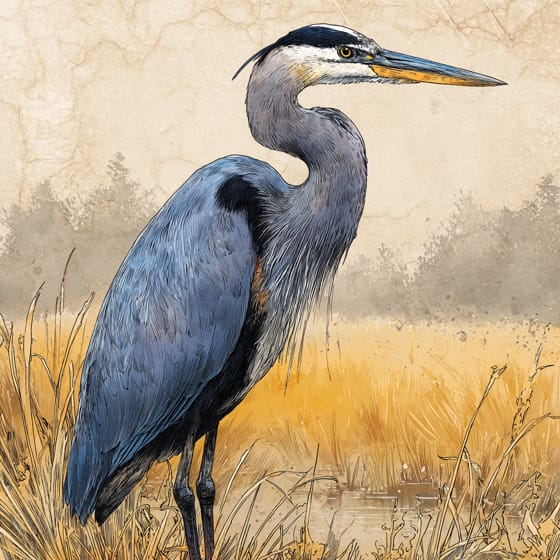
Ardea herodias
Mollies are a food source for wading birds.
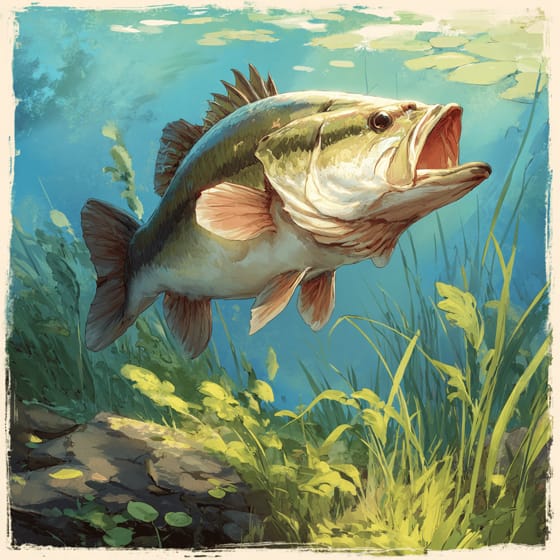
Micropterus salmoides
Larger predatory fish often hunt Mollies.
Spirogyra maxima
Mollies graze on this common green algae.
Wildlife encompasses all undomesticated animal and plant life existing in their natural habitats.
Social animals live in organized groups, cooperating for survival benefits such as foraging, defense, and raising offspring.
This trait identifies organisms whose diet includes both plant and animal matter.
Colorful describes organisms or objects displaying a wide range of bright and distinct colors.

This trait characterizes organisms with an exceptionally long lifespan compared to others of their kind.

Freshwater habitats include non-saline aquatic environments such as rivers, lakes, ponds, and wetlands, vital for numerous species.

Describes a species whose presence and role have a disproportionately large effect on its environment.

Aquatic habitats encompass environments where organisms live predominantly in water, including oceans, rivers, lakes, and wetlands.
Danger
2/5 · Low
Watch quietly from a distance and never try to feed or chase wild animals.
4-12 cm
0.002-0.015 kg
2-5 years
Mollies are omnivores, munching on tiny plants and small critters found in the water.
5 km/h
Freshwater lakes and brackish waters
Foraging
2 m
Zoom in to split clusters and explore where this object has been snapped.
Recent snaps will appear here as new observations are added.