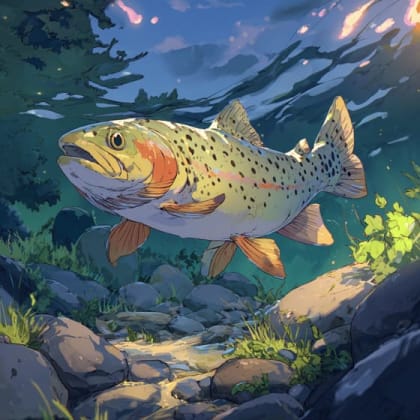

Electric Eel
Electrophorus electricus
The Electric Eel is a fascinating fish that can generate electricity to stun its prey and defend itself. It lives in freshwater habitats and has a unique way of hunting.
Habitat: Freshwater
The Electric Eel is a long, cylindrical fish with a flattened head and no dorsal, caudal, or pelvic fins. Its body is typically dark grey to brownish-black on top, fading to yellowish or orangish on its underside. It visually differs from true eels by its unique body shape and lack of traditional fins.
Category
FishRarity
Common
Danger
3/5 · Moderate
Snaps
Be the first to snap!
An Electric Eel's electric organs take up over 80% of its body!
Electric Eels are not true eels; they're actually a type of knifefish!
These amazing fish can jump out of water to shock land threats!
They can breathe air from the surface using a special mouth lining!
Electric Eel can generate powerful electric shocks because of specialized organs that help them stun prey and deter predators.
Electric Eel can navigate murky waters by emitting weak electric pulses that help them 'see' their surroundings.
Electric Eel has specialized electroreceptors that help them locate hidden prey by detecting tiny electrical fields in the water.
Electric Eels are expert hunters, mostly eating other fish using their electric shocks.
Age differences: Young eels eat small invertebrates, while adults primarily hunt larger fish.
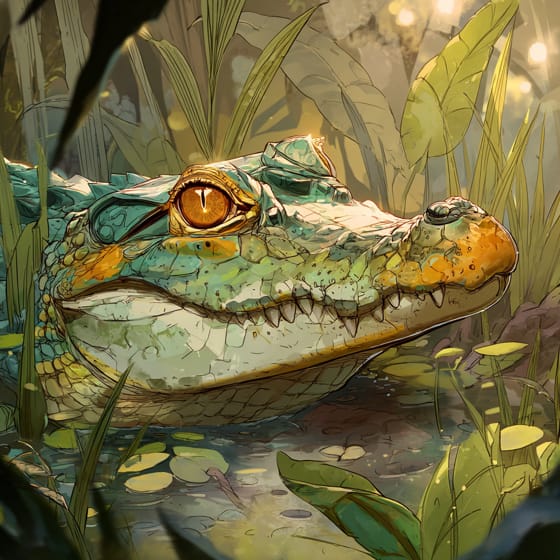
Caiman crocodilus
Large caimans can sometimes prey on electric eels.
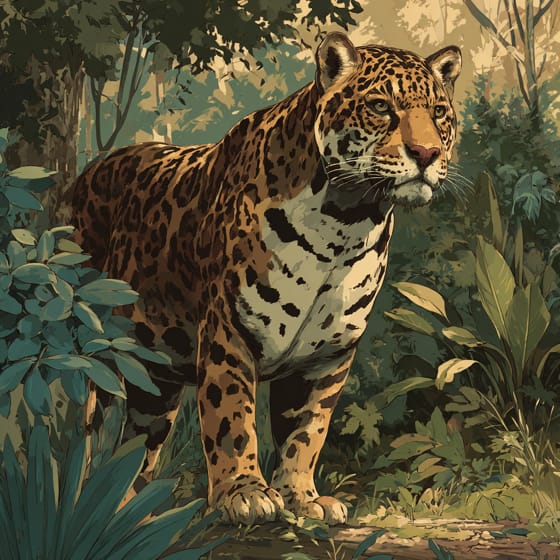
Panthera onca
Jaguars may hunt eels at the water's edge.
Serrasalmus rhombeus
Eels prey on various smaller Amazonian fish.
Wildlife encompasses all undomesticated animal and plant life existing in their natural habitats.
Piscivorous organisms are animals that primarily subsist on a diet of fish.
This trait identifies organisms whose diet consists entirely or primarily of animal tissue.
This trait describes organisms capable of generating electric fields or electric shocks.

Freshwater habitats include non-saline aquatic environments such as rivers, lakes, ponds, and wetlands, vital for numerous species.

Aquatic habitats encompass environments where organisms live predominantly in water, including oceans, rivers, lakes, and wetlands.

Nocturnal animals are primarily active during the nighttime hours, typically resting or sleeping during the day.

Venomous organisms produce toxins that are injected into another animal, typically through a bite or sting.
No aliases listed yet.
Danger
3/5 · Moderate
Avoid touching Electric Eels in the wild as their shocks can be strong.
The easiest way to identify Electric Eel is to use the Snappit nature identifier app.
10-250 cm
0.1-20 kg
8-15 years
Electric Eels are expert hunters, mostly eating other fish using their electric shocks.
5 km/h
Freshwater
Ambush
Zoom in to split clusters and explore where this object has been snapped.
Recent snaps will appear here as new observations are added.

Illinois, US
You might spot Beluga Whale, Pacific White-Sided Dolphin, and Sea Otter.
View guide →

US
You might spot Carpenter Ants, Typical Sugar Ants and Allies and Axolotl.
View guide →

Florida, US
You might spot Sand Tiger Shark, Octopus, and North American River Otter.
View guide →

Oklahoma, US
You might spot Bull Shark and Loggerhead Sea Turtle.
View guide →

New York, US
You might spot Sea Lion, Humboldt Penguin, and Harbor Seal.
View guide →
US
You might spot Electric Eel, Axolotl, and Sturgeon.
View guide →
Take the discovery with you
Snap it with Snappit to identify it, learn what makes it special, and add the discovery to your collection.