


Hoopoe
Upupa epops
The Hoopoe is a unique bird with a crown of feathers on its head. It has a long, curved beak for probing the ground in search of insects. Hoopoes are known for their distinctive 'oop-oop-oop' call.
Habitat: Forests
The Hoopoe has a striking salmon-pink to orange body with bold black and white striped wings and tail. Its most distinctive feature is a tall, erectile crest tipped with black, along with a long, slender, downcurved bill that sets it apart.
Category
BirdsRarity
Common
Danger
1/5 · Very low
Snaps
4
Ancient Egyptians revered Hoopoes, depicting them as sacred birds in their art.
Baby Hoopoes can squirt foul-smelling liquid at predators to scare them away!
Hoopoes can shut their nostrils tight to avoid dirt when digging for tasty treats.
Its name "Hoopoe" sounds just like the "hoo-poo" call it makes!
Hoopoes can raise their amazing crest feathers like a fan to show off or warn others, which helps them communicate.
Hoopoes use their long, curved beak to probe deep into the ground, helping them find hidden insect snacks.
Female Hoopoes can produce a foul-smelling liquid to make their nests smell bad, which helps them deter predators.
Hoopoes mostly eat insects, especially grubs and larvae, found hiding underground or in the soil.
Accipiter nisus
Juveniles are prey.
Falco tinnunculus
Can prey on adult Hoopoes.
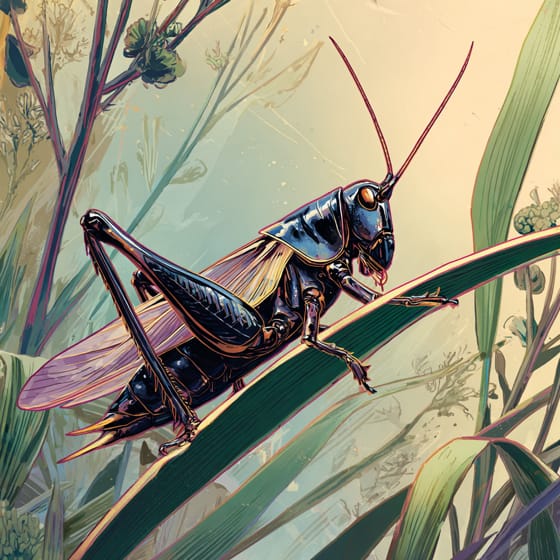
Gryllus campestris
A common food source.
Quercus robur
Uses tree cavities for nesting.
Wildlife encompasses all undomesticated animal and plant life existing in their natural habitats.
Feathered describes animals, primarily birds, possessing a covering of feathers.
Crested describes animals possessing a prominent tuft of feathers, hair, or skin on their head.
Singing animals produce complex vocalizations, often for purposes of attracting mates, defending territory, or communicating within their species.

This trait identifies organisms whose diet primarily consists of insects and other small invertebrates.

This trait describes organisms that manipulate external objects to achieve a specific goal.

Forest habitats are terrestrial environments dominated by dense tree cover, supporting a high diversity of plant and animal life.

Diurnal animals are primarily active during daylight hours, typically resting or sleeping at night.
Danger
1/5 · Very low
Observe Hoopoes from a distance to avoid disturbing their natural behavior.
25-32 cm
44-48 cm
0.046-0.089 kg
5-10 years
50 km/h
Hoopoes mostly eat insects, especially grubs and larvae, found hiding underground or in the soil.
Forests
Foraging
Zoom in to split clusters and explore where this object has been snapped.

Spain, ES
You might spot African Lion, Giraffes, and Asian Elephant.
View guide →

Spain, ES
You might spot Seal, Octopus, and Ant.
View guide →

Gibraltar, GI
You might spot Parakeet, Tortoises, and Guinea Pig.
View guide →
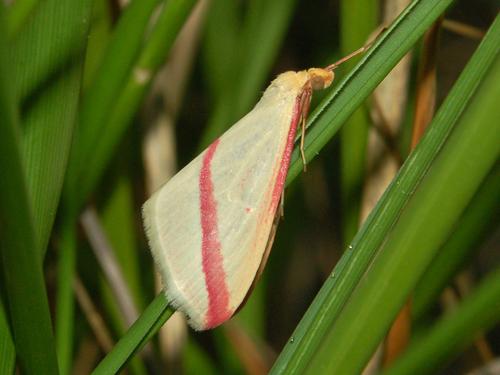
Spain, ES
You might spot Vestal, Eurasian Collared-Dove, and Common Blackbird.
View guide →