Collared Dove
Jardín del Turia in Valencia, Spain, is an extraordinary urban oasis, transforming the former Turia Riverbed into one of Spain's largest and most vibrant parks.
Jardín del Turia in Valencia, Spain, is an extraordinary urban oasis, transforming the former Turia Riverbed into one of Spain's largest and most vibrant parks. Stretching for over nine kilometers from west to east, this sprawling green space is a testament to ingenious urban planning, offering a continuous ribbon of leisure and nature right through the heart of the city. It's a place where the city's pulse slows, inviting both locals and visitors to immerse themselves in a diverse landscape of gardens, recreational areas, and cultural landmarks. The park is an inviting escape, boasting diverse flora like palm trees, orange trees, pines, and fragrant rose gardens, providing a refreshing scent and a tranquil atmosphere amidst the urban bustle.
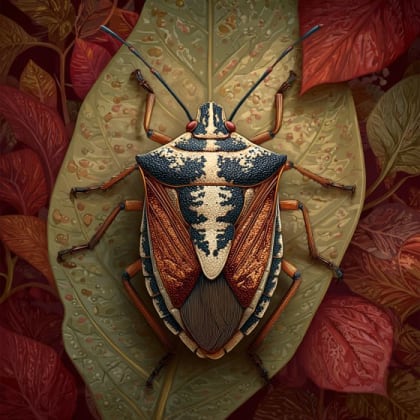
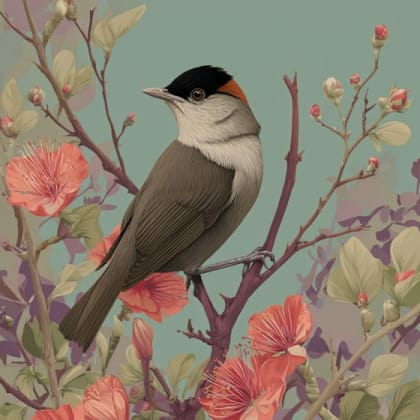
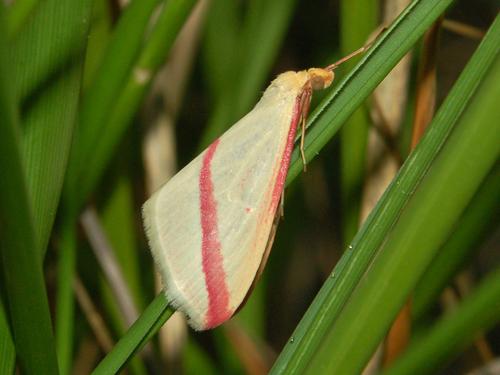
This unique park is more than just a green corridor; it's a dynamic hub for activity and exploration. Visitors can cycle or stroll along its extensive paths, passing through various themed sections, including sports facilities, playgrounds like the famous Gulliver Park, and serene ponds. Wildlife thrives here too, making it a fantastic spot for nature enthusiasts. Keep an eye out for species such as the Eurasian Collared-Dove, Eurasian Blackbird, Monk Parakeet, and Rose-ringed Parakeet flitting among the trees, or spot a European Serin. The park also hosts a variety of insects, like the Brown Marmorated Stink Bug and the Morning-glory Plume Moth, and amphibians such as the Iberian Green Frog, adding to its rich biodiversity.
Jardín del Turia is truly memorable for its blend of natural beauty, recreational opportunities, and cultural connections. It seamlessly links key attractions like the Bioparc at its western end and the futuristic City of Arts and Sciences at its eastern extremity, with numerous bridges crossing its expanse, some dating back to the 15th century. Whether you're seeking a peaceful stroll, an active day of cycling, or simply a chance to connect with nature and observe local wildlife, the Jardín del Turia offers an unparalleled experience, cementing Valencia's reputation as a green capital. Eager to name that creature? Identify any animal you find during your visit using the Snappit app.
The creation of Jardín del Turia is a remarkable story of urban transformation born from tragedy. The Turia River, which once flowed through Valencia, was prone to devastating floods, with a particularly severe one occurring on October 14, 1957, causing significant loss of life and damage. Following this disaster, the Spanish government and Valencia's city council decided to divert the river's course to the south of the city, leaving its former riverbed vacant. Initially, there were plans to convert this vast strip of land into a major transportation corridor. However, strong public demand and a popular movement rallied under the slogan "El llit del Túria és nostre i el volem verd" ("The Turia riverbed is ours, and we want it green"). This powerful citizen mobilization ultimately convinced authorities to transform the area into a public green space. The park was officially inaugurated in 1986, with various urban planners and landscape architects designing its different sections, incorporating elements that reproduced the former fluvial landscape with palms, orange trees, and fountains, alongside modern sports and leisure facilities.
Walk, jog, or cycle the entire 9km length. Enjoy picnics, utilize sports facilities (football, rugby, athletics, skateboarding). Observe various bird species like Monk Parakeets and Eurasian Blackbirds. Take guided bike tours.
Spring/Autumn: Pleasant weather for outdoor activities, blooming flora.
Summer: Can be hot; seek shade or visit early/late. Open-air concerts and festivals may occur.
Winter: Generally mild, suitable for walks and cycling. Ice rinks sometimes operate in certain sections.
The park features extensive paved and unpaved paths, making it accessible for walkers, cyclists, and wheelchair users, though some areas with compacted earth may have uneven surfaces. There are toilets distributed throughout the park.
A futuristic architectural complex at the eastern end.
A giant Gulliver figure with slides and climbing ropes, perfect for children.
At the western end, offering a lake with swan boats and an innovative zoo (Bioparc is adjacent, not technically within the park).
Crossing the park, each with its own history and architectural style.
Each card links to a full Explore page with photos, traits, and fun facts.
Start with the big picture, then zoom in to explore individual wildlife observations around this place.
Rent a bicycle
The park's 9km length makes cycling an excellent way to explore its entirety and reach attractions like the City of Arts and Sciences.
Visit Gulliver Park with kids
This unique playground is a must-see for families, but remember long pants for slides to avoid friction burns.
Bring water and snacks
Especially during warmer months, as the park is extensive.
Look up for birds
Keep an eye on the trees and open spaces for species like Monk Parakeets and Eurasian Blackbirds.
Check event calendars
The park often hosts concerts, festivals, and other events, particularly near the Palau de la Música or the City of Arts and Sciences.
Explore different sections
Each segment of the park offers something unique, from tranquil gardens to bustling sports areas.
Mar 1, 2026
Feb 22, 2026
Feb 22, 2026
Feb 22, 2026

Maryland, US
You might spot White-Tailed Deer and Eastern Gray Squirrel.
View guide →
.jpg)
District of Columbia, US
You might spot Eastern Gray Squirrel, Duck, and House Sparrow.
View guide →

Illinois, US
You might spot American Robin, Canada Goose, and House Sparrow.
View guide →

Virginia, US
You might spot Spotted Lanternfly and Northern Cardinal.
View guide →
Take the discovery with you
Identify the wildlife you spot, learn as you go, and keep a collection of the adventure.