Brimstone Butterfly
Gonepteryx rhamni
The Brimstone Butterfly is bright yellow and is often one of the first butterflies to appear in spring. It loves sunny days!
Habitat: Woodlands and gardens
The Brimstone Butterfly is easily recognized by its distinctive leaf-shaped wings with pointed tips. Males are a vibrant lemon-yellow, while females are a paler greenish-white. Both sexes have a small, orange spot near the center of each wing, helping them stand out.
Category
InsectsRarity
Common
Danger
2/5 · Low
Snaps
5
Brimstones are among the longest-living butterflies in Europe, sometimes surviving over a year! Wow!
Did you know the word "butterfly" might have originated from this very species? Wow!
Their wings look exactly like leaves when they rest, making them super hard to spot! Wow!
You can often spot the bright yellow males flying on the very first warm days of spring! Wow!
Brimstone Butterflies have leaf-like wings that help them blend perfectly into foliage when resting.
Brimstone Butterflies can hibernate through winter, allowing them to live for an exceptionally long time.
Brimstone Butterflies are among the first to emerge in spring, powered by energy stored from their hibernation.
Caterpillars munch on specific leaves, while adult butterflies sip sweet flower nectar.
Age differences: Yes, caterpillars eat leaves, while adult butterflies drink nectar from flowers.
Frangula alnus
Caterpillars feed on its leaves.
Rhamnus cathartica
Caterpillars also feast on its leaves.
Cirsium arvense
Adults drink nectar, helping pollination.
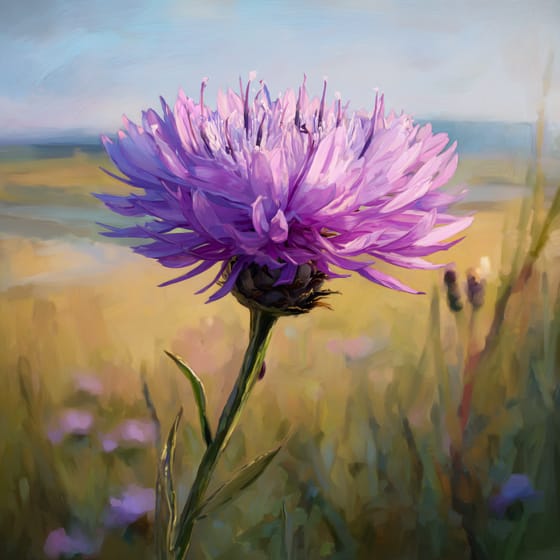
Centaurea scabiosa
Adults visit for nectar, spreading pollen.
Wildlife encompasses all undomesticated animal and plant life existing in their natural habitats.
This trait characterizes organisms whose diet consists entirely or primarily of plant material.
Diurnal animals are primarily active during daylight hours, typically resting or sleeping at night.
Describes organisms that transfer pollen, enabling the fertilization and reproduction of plants.
Danger
2/5 · Low
Do not touch or pick up. Some insects sting or bite. Ask an adult for help.
50-60 mm
25-30 mm
300-400 days
18 km/h
Caterpillars munch on specific leaves, while adult butterflies sip sweet flower nectar.
Woodlands and gardens
Foraging
6
Zoom in to split clusters and explore where this object has been snapped.

England, UK
You might spot Red Panda, European Lynx, and Emperor Tamarin.
View guide →

Bern, CH
You might spot House Sparrow, Wall-Rue, and Duck.
View guide →

England, UK
You might spot Cinnabar Moth, Common Moorhen, and Marmalade Hover Fly.
View guide →
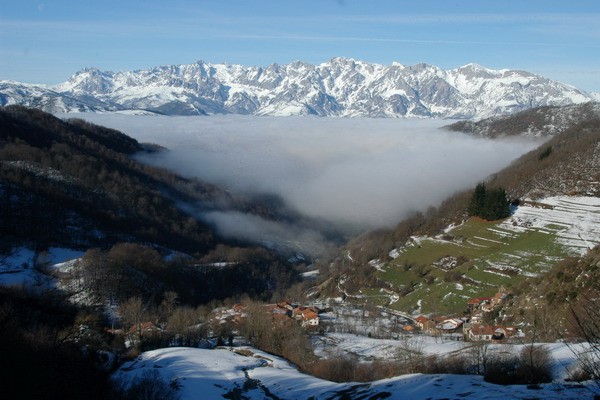
Spain, ES
You might spot Pyrenean Chamois, Alpine Toadflax, and Pyrenean Eryngo.
View guide →