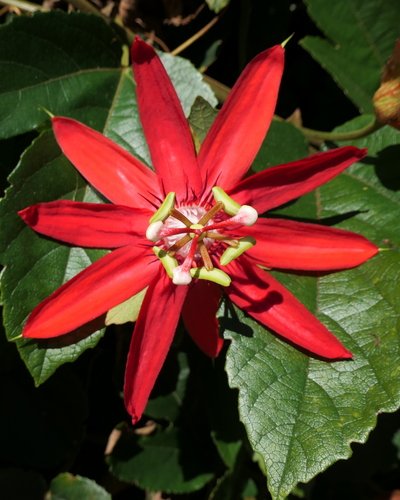
Agrocybe
agrocybe
Agrocybe is a type of mushroom that can grow in many different places! Kids will love spotting these unique fungi in the wild.
Habitat: Agrocybe mushrooms typically live in woods, grassy areas, and gardens.
The Agrocybe is a mushroom typically sporting a cap that shifts from convex to flat, colored creamy-white to yellowish-brown. Its slender stem often has a delicate ring, and its crowded gills change from pale to dark brown as it matures.
Category
FungiRarity
Common
Danger
1/5 · Very low
Snaps
Be the first to snap!
Many have a fragile ring on their stem, like a tiny skirt!
Some Agrocybe species are grown on farms for human consumption!
Their dark brown spores help spread them far and wide.
They often appear suddenly overnight after rain showers.
Agrocybe can quickly break down dead plant matter because of powerful enzymes that helps them recycle nutrients.
Agrocybe has a unique ability to fruit early in the season that helps them colonize habitats before other fungi appear.
Agrocybe can grow on diverse materials like wood chips or soil because it adapts its feeding methods to available resources.

Populus alba
Decomposes dead poplar wood
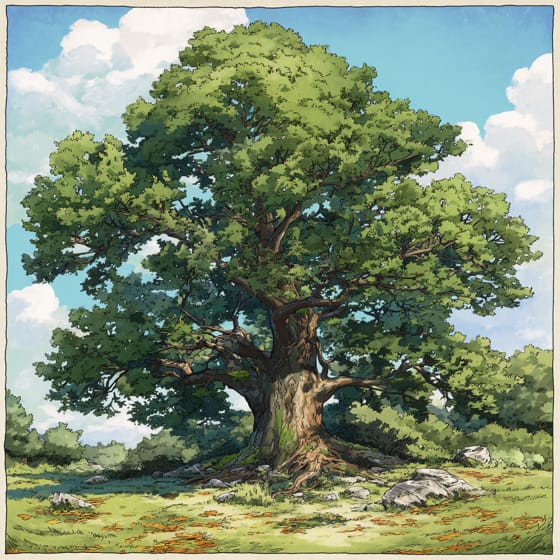
Quercus robur
Breaks down dead oak wood
Entomobrya nivalis
Feeds on mushroom tissues
Solitary animals live alone for most of their lives, only interacting with others for mating or parental care.
Colorful describes organisms or objects displaying a wide range of bright and distinct colors.
Describes organisms that break down dead organic material, recycling nutrients back into the ecosystem.
Forest habitats are terrestrial environments dominated by dense tree cover, supporting a high diversity of plant and animal life.

Diurnal animals are primarily active during daylight hours, typically resting or sleeping at night.
Danger
1/5 · Very low
Always check with an adult before touching or eating mushrooms.
The easiest way to identify Agrocybe is to use the Snappit nature identifier app.
3-15 cm
edible
2-10 cm
Agrocybe mushrooms typically live in woods, grassy areas, and gardens.
wood
Spring to fall
Dark brown
Zoom in to split clusters and explore where this object has been snapped.
Recent snaps will appear here as new observations are added.
Take the discovery with you
Snap it with Snappit to identify it, learn what makes it special, and add the discovery to your collection.