





white poplar
Populus alba
The white poplar is a tall tree with beautiful white bark and green leaves. It grows quickly and can be found in many places, making it a friendly tree for nature lovers.
Habitat: Forests
The white poplar has striking silvery-white bark, often becoming fissured with age. Its dark green, lobed leaves have a distinctive felt-like, silvery-white underside, shimmering brightly in the breeze, making it easily distinguishable from other poplars.
Category
PlantsRarity
Common
Danger
1/5 · Very low
Snaps
3
Ancient Romans used white poplar wood for shields because it was light yet strong.
Its name 'Populus' means 'people' in Latin, perhaps because its leaves 'tremble' like a crowd!
The unique shape of its leaves makes them 'clatter' in the wind, sounding like falling rain!
White poplars are super-fast growers, shooting up many feet each year!
White poplar has fuzzy, silver leaf undersides that reflect sunlight, helping it reduce water loss and tolerate dry conditions.
White poplar can grow new trees from its extensive root system, allowing it to spread quickly and colonize new areas efficiently.
White poplar has light-colored bark that reflects sunlight, protecting the tree from overheating in sunny, exposed locations.
Smerinthus ocellata
Larvae feed on its leaves.
Turdus merula
Provides nesting sites and shelter.
Laccaria laccata
Exchanges nutrients with its roots.
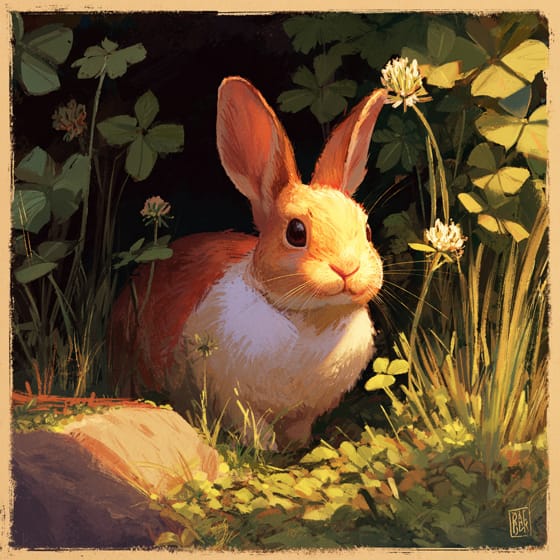
Oryctolagus cuniculus
Browses on young shoots and bark.
Deciduous plants periodically shed all their leaves, typically during autumn or dry seasons.
Flowering plants are any plants that produce flowers as part of their reproductive cycle.
Broadleaf trees are angiosperms characterized by flat, wide leaves that are typically shed annually in temperate climates.
Fall color refers to the seasonal change in foliage pigmentation, primarily in deciduous plants, displaying vibrant hues.

Describes plants that are particularly attractive and beneficial to a wide range of pollinating organisms.

Rapid growing plants exhibit accelerated growth rates, quickly increasing in size and biomass within a short period.

Forest habitats are terrestrial environments dominated by dense tree cover, supporting a high diversity of plant and animal life.
Danger
1/5 · Very low
Stay on paths when exploring near trees, and don't climb without an adult.
The easiest way to identify white poplar is to use the Snappit nature identifier app.
2000-3000 cm
1000-2000 cm
3-7 cm
Spring
No
None
Perennial
Zoom in to split clusters and explore where this object has been snapped.

US
You might spot Common Eider, American Herring Gull, and Common Periwinkle.
View guide →

Illinois, US
You might spot Common Milkweed, Great Blue Heron, and Canada Goose.
View guide →
Michigan, US
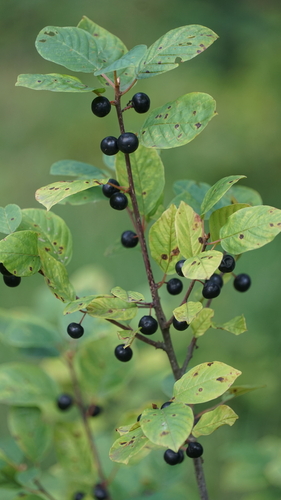
You might spot Alder Buckthorn, Bulblet Fern, and Western Poison Ivy.
View guide →
Take the discovery with you
Snap it with Snappit to identify it, learn what makes it special, and add the discovery to your collection.






.jpg&width=800)


_001.jpg&width=800)




