





American Hornbeam
Carpinus caroliniana
The American Hornbeam is a sturdy tree with a cool name! It has smooth bark and leaves that turn pretty colors in the fall.
Habitat: Wetlands and forests
The American Hornbeam has striking, smooth, blue-gray bark that appears fluted or 'muscular'. Its ovate, sharply toothed leaves emerge reddish-purple, mature to deep green, and blaze bright yellow, orange, or red in autumn.
Category
TreesRarity
Common
Danger
1/5 · Very low
Snaps
24
Even its scientific name, 'Carpinus', hints at its strength, meaning 'horn-like wood'.
In fall, its leaves put on a spectacular show, turning vibrant shades of orange and red!
Its wood is so hard, people once used it for tool handles, mallets, and even ox yokes!
It’s also known as 'Blue Beech' because its bark resembles a Beech tree but has a bluer tint!
American Hornbeam has incredibly dense, tough wood that helps it stand strong against harsh weather.
This tree can grow well in shady forest understories, competing effectively for sunlight and nutrients.
American Hornbeam produces small nutlets enclosed in leafy bracts that provide food for birds and squirrels.
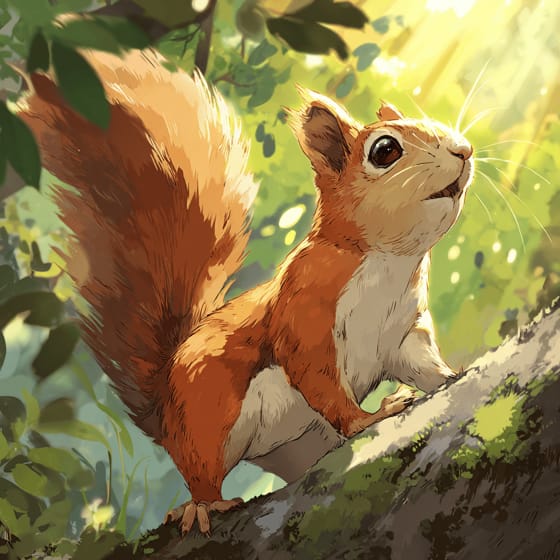
Sciurus carolinensis
eats its small nutlets
Meleagris gallopavo
forages for its nutlets

Odocoileus virginianus
browses its twigs and leaves
.jpg&width=800)
Contopus virens
builds nests in its branches
Deciduous plants periodically shed all their leaves, typically during autumn or dry seasons.
Shade tolerant plants are adapted to grow and thrive in areas with low light levels, requiring less direct sunlight.
Broadleaf trees are angiosperms characterized by flat, wide leaves that are typically shed annually in temperate climates.
Fruit-bearing plants produce fruits, which are the mature ovaries of flowering plants containing seeds.

Fall color refers to the seasonal change in foliage pigmentation, primarily in deciduous plants, displaying vibrant hues.

Forest habitats are terrestrial environments dominated by dense tree cover, supporting a high diversity of plant and animal life.
Danger
1/5 · Very low
Do not pick or eat anything you find. Some plants and mushrooms can be harmful.
The easiest way to identify American Hornbeam is to use the Snappit nature identifier app.
6-12 m
5-8 m
No
15-40 cm
50-150 years
Wetlands and forests
Nutlet
Zoom in to split clusters and explore where this object has been snapped.

Michigan, US
You might spot Monarch, Canada Goose, and Eastern Gray Squirrel.
View guide →
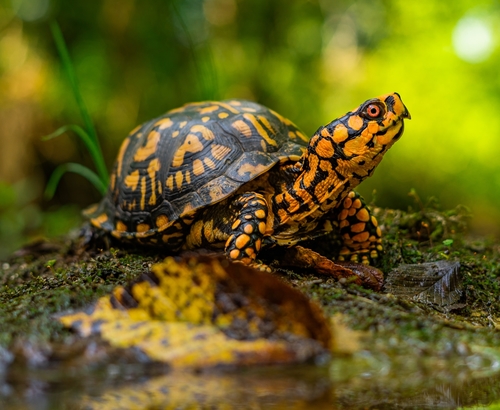
Virginia, US
You might spot Eastern Box Turtle and Redbreast Sunfish.
View guide →

Virginia, US
You might spot Canada Goose, Duck, and Great Blue Heron.
View guide →

New York, US
You might spot Gorilla, Tiger, and Snow Leopard.
View guide →

US
You might spot Carpenter Ants, Typical Sugar Ants and Allies and Axolotl.
View guide →

Michigan, US
You might spot Monarch, Canada Goose, and Eastern Gray Squirrel.
View guide →
Take the discovery with you
Snap it with Snappit to identify it, learn what makes it special, and add the discovery to your collection.






