





Asparagus
Asparagus officinalis
Asparagus is a delicious vegetable that grows in long, slender spears. It is packed with vitamins and minerals that are good for your body. People like to eat asparagus in salads, stir-fries, and as a side dish.
Habitat: Gardens, Farms
The Asparagus plant has tall, slender stems that branch into delicate, feathery foliage, giving it a soft, airy look. Its edible spears are typically vibrant green with purplish tips, though some varieties are entirely white or deep purple.
Category
PlantsRarity
Common
Danger
1/5 · Very low
Snaps
1
Asparagus spears are really young plant stems pushing up from underground 'crowns'!
Eating asparagus can make your pee smell unique, but not everyone can smell it!
It takes three years for a new asparagus plant to grow strong enough to give you yummy spears!
Some scientists think a single asparagus plant can produce spears for over 30 years!
Asparagus spears can sprout rapidly, sometimes growing several inches a day, to quickly emerge from underground and reach for sunlight.
Asparagus has a deep, long-lived root system called a crown, allowing it to produce delicious spears for over 15 years from the same plant.
Asparagus can come in green, white, or purple spears due to different growing methods or varieties, making it visually diverse.
Crioceris asparagi
larvae and adults munch on leaves and stems
Apis mellifera
visits small flowers for nectar
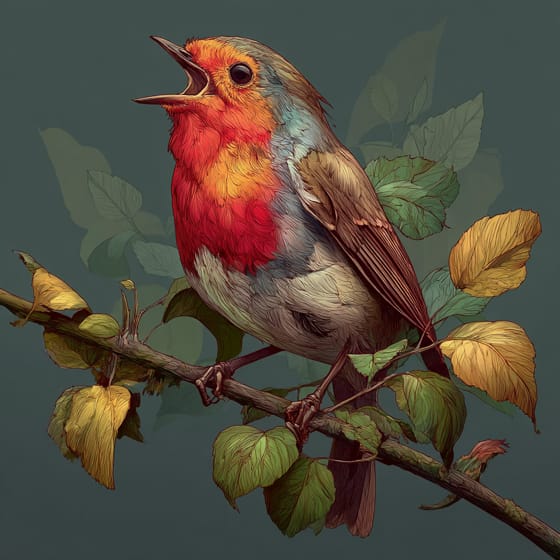
Turdus migratorius
eats the red berries
Spring blooming plants produce their flowers during the spring season, often signifying the end of winter and the start of new growth.
This human use trait describes species cultivated or domesticated by humans for agricultural purposes, including crops and livestock.
Edible plants are those parts of a plant that are considered safe for human consumption.
Rapid growing plants exhibit accelerated growth rates, quickly increasing in size and biomass within a short period.
Danger
1/5 · Very low
Always wash asparagus before eating to remove any dirt or chemicals.
The easiest way to identify Asparagus is to use the Snappit nature identifier app.
100-200 cm
30-45 cm
0.5-1 cm
Late spring to early summer
Yes
None
Perennial
Zoom in to split clusters and explore where this object has been snapped.
Take the discovery with you
Snap it with Snappit to identify it, learn what makes it special, and add the discovery to your collection.









.jpg&width=800)



_001.jpg&width=800)



