





Asparagus albus
Asparagus albus
Asparagus albus is a special plant that grows tall and has thin, green stems. It can be found in many places and is known for its tasty young shoots that people love to eat!
Habitat: Grasslands
The Asparagus albus is a slender, branching shrub with wiry stems and needle-like leaves, often appearing silvery-white. It produces small, bell-shaped white flowers followed by distinctive, pea-sized white berries that stand out against its foliage.
Category
PlantsRarity
Common
Danger
1/5 · Very low
Snaps
Be the first to snap!
It's sometimes called 'White Asparagus' for its unique fruit color.
Its name "albus" means white in Latin, referring to its striking white berries!
This tough plant loves hot, rocky places where other plants struggle to grow!
Though related to edible asparagus, this plant's shoots are not eaten by humans.
Asparagus albus has thick, fleshy roots that store water, helping it survive long, dry periods in its sunny Mediterranean home.
Asparagus albus produces bright white berries, a rare color in nature, attracting birds to spread its seeds far and wide.
Asparagus albus can spread through underground rhizomes, allowing it to form dense clumps and colonize new ground efficiently.
Apis mellifera
Visits its small flowers for nectar and pollen.
Bombus terrestris
Another common insect pollinator for its flowers.
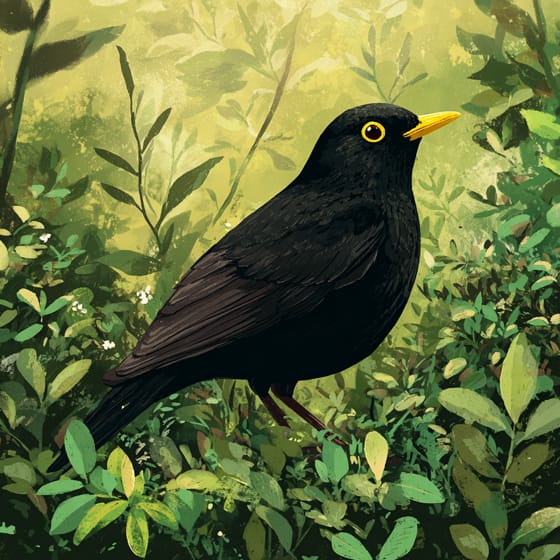
Turdus merula
Eats the white berries, aiding in seed dispersal.
Flowering plants are any plants that produce flowers as part of their reproductive cycle.
Grass-like plants are herbaceous plants that visually resemble true grasses, typically having long, narrow leaves.
Edible plants are those parts of a plant that are considered safe for human consumption.
Grassland habitats are terrestrial biomes dominated by grasses and herbaceous plants, supporting a variety of grazing animals.

Describes plants that are particularly attractive and beneficial to a wide range of pollinating organisms.

Rapid growing plants exhibit accelerated growth rates, quickly increasing in size and biomass within a short period.
No aliases listed yet.
Danger
1/5 · Very low
Always ask an adult before touching or eating any plants.
The easiest way to identify Asparagus albus is to use the Snappit nature identifier app.
30-100 cm
20-60 cm
0.3-0.5 cm
Summer to early Fall
No
Mild
Perennial
Zoom in to split clusters and explore where this object has been snapped.
Recent snaps will appear here as new observations are added.
Take the discovery with you
Snap it with Snappit to identify it, learn what makes it special, and add the discovery to your collection.








.jpg&width=800)



_001.jpg&width=800)



