





Baldwin'S Eryngo
eryngium baldwinii
Baldwin's Eryngo is a unique plant with spiky blue-green leaves and striking purple flowers. It attracts many butterflies and bees, making it a delightful addition to gardens!
Habitat: Wetlands and coastal areas.
The Baldwin'S Eryngo is a distinctive perennial with stiff, spiny green leaves resembling thistles. Its unique cone-shaped flower heads, about an inch wide, are typically whitish-green and surrounded by sharp, pointed bracts, making it visually stand out.
Category
PlantsRarity
Common
Danger
0/5 · No known danger
Snaps
Be the first to snap!
Even its stiff leaves can help trap morning dew, providing extra moisture.
Its flower heads look like tiny, spiky futuristic pinecones!
Some people call it Baldwin's Button Snakeroot because of its shape.
This plant belongs to the carrot family, but you definitely wouldn't want to eat its leaves!
Baldwin'S Eryngo has sharp, thistle-like leaves that deter hungry animals from munching on it, helping it survive.
Baldwin'S Eryngo can thrive in wet, sometimes flooded soils thanks to its adaptable root system, surviving where others can't.
Baldwin'S Eryngo's unique, textured flower heads act as a landing pad and food source, attracting many different insect pollinators.
Apis mellifera
Gathers nectar from its flowers.
Bombus impatiens
Actively visits the flower heads for nectar.
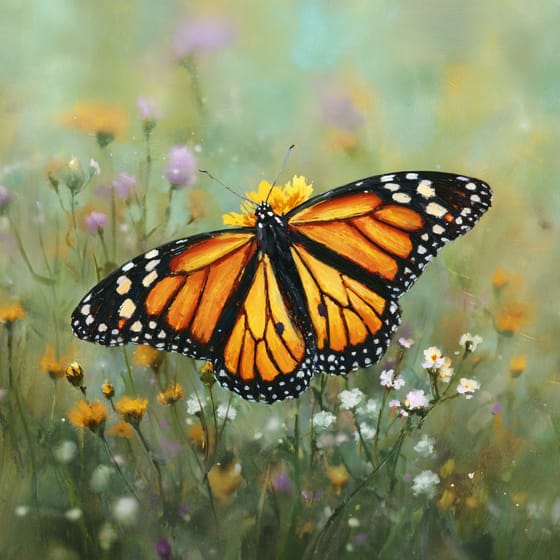
Danaus plexippus
Feeds on nectar from its various flowers.
Colorful describes organisms or objects displaying a wide range of bright and distinct colors.
This trait characterizes organisms whose diet consists entirely or primarily of plant material.
Coastal habitats are dynamic environments located along the interface between land and sea, influenced by tides, waves, and saltwater.
Diurnal animals are primarily active during daylight hours, typically resting or sleeping at night.

Describes organisms that transfer pollen, enabling the fertilization and reproduction of plants.
Danger
0/5 · No known danger
No special safety notes yet.
The easiest way to identify Baldwin'S Eryngo is to use the Snappit nature identifier app.
30-90 cm
15-40 cm
1-2.5 cm
Late summer to fall
No
None
Perennial
Zoom in to split clusters and explore where this object has been snapped.
Recent snaps will appear here as new observations are added.
Take the discovery with you
Snap it with Snappit to identify it, learn what makes it special, and add the discovery to your collection.









.jpg&width=800)



_001.jpg&width=800)




