





Night-Blooming Cereus
Hylocereus undatus
The Night-Blooming Cereus is a magical plant that blooms only at night, releasing a sweet fragrance. Its flowers are large and white, attracting moths and bats to pollinate them.
Habitat: Desert
The Night-Blooming Cereus has long, triangular, green stems that are often segmented and may have small spines along their edges. Its stunning flowers are trumpet-shaped, pure white, and exceptionally large, appearing only for a single night.
Category
PlantsRarity
Rare
Danger
1/5 · Very low
Snaps
10
It releases a sweet, strong fragrance that perfumes the night air.
Its magnificent flowers last only a few hours after opening at dusk!
Some call it "Queen of the Night" for its fleeting, grand display.
The delicious dragon fruit comes from this very plant.
Night-Blooming Cereus can open its huge white flowers only at night to attract specific nocturnal pollinators like bats and moths.
Night-Blooming Cereus has fleshy, succulent stems that allow it to store water, helping it survive in dry environments.
Night-Blooming Cereus can use aerial roots to cling and climb walls or trees, reaching for sunlight and support.
Glossophaga soricina
Attracted by nectar and scent
Manduca sexta
Its long proboscis reaches deep nectar
Carollia perspicillata
Consumes its fruit, dispersing seeds
Deciduous plants periodically shed all their leaves, typically during autumn or dry seasons.
Fragrant flowers emit a pleasant aroma, often to attract pollinators or for defense.
Night blooming plants open their flowers after sunset, often to attract nocturnal pollinators with their scent and appearance.
Desert habitats are arid regions characterized by extremely low precipitation and often extreme temperatures, supporting specialized flora and fauna.
Danger
1/5 · Very low
Admire this plant from a distance and avoid touching it.
The easiest way to identify Night-Blooming Cereus is to use the Snappit nature identifier app.
50-1200 cm
100-500 cm
15-30 cm
Summer to early fall nights
Yes
None
Perennial
Zoom in to split clusters and explore where this object has been snapped.

Hawaii, US
You might spot Gold Dust Day Gecko, Yellow Tang, and Black Triggerfish.
View guide →

Hawaii, US
You might spot Hawaiian Garden Spider, Beach Naupaka, and Black Noddy.
View guide →

Hawaii, US
You might spot Red-Crested Cardinal and Zebra Dove.
View guide →

Hawaii, US
You might spot Red-Crested Cardinal and Zebra Dove.
View guide →
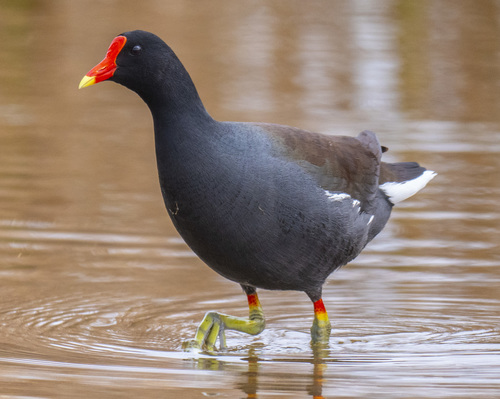
Hawaii, US
You might spot Common Gallinule and Red-Crested Cardinal.
View guide →

Hawaii, US
You might spot Red-Crested Cardinal and Zebra Dove.
View guide →
Take the discovery with you
Snap it with Snappit to identify it, learn what makes it special, and add the discovery to your collection.









.jpg&width=800)


_001.jpg&width=800)




