





Betonyleaf Mistflower
Conoclinium betonicifolium
The Betonyleaf Mistflower is a pretty purple flower that grows in clusters. It attracts butterflies and bees, making gardens colorful and lively!
Habitat: Wetlands
The Betonyleaf Mistflower has vibrant clusters of fuzzy, lavender-blue flowers that resemble small pom-poms. Its green leaves are heart-shaped or slightly toothed, distinguishing it from other meadow plants with its unique texture and color.
Category
PlantsRarity
Common
Danger
1/5 · Very low
Snaps
Be the first to snap!
If you gently touch the flowers, they feel surprisingly soft, like a tiny fuzzy cushion!
Its scientific name 'Conoclinium' means 'cone bed,' referring to the shape of its flower clusters!
Monarch butterflies travel thousands of miles and love to refuel on this plant's sweet nectar.
The tiny flowers in one head open at different times, extending the bloom period for visiting insects!
Betonyleaf Mistflower has abundant nectar in its dense flower heads, which acts like a magnet for butterflies and other helpful insects.
Its soft, fuzzy flower clusters create a comfortable landing pad for many small pollinators, helping them access sweet nectar.
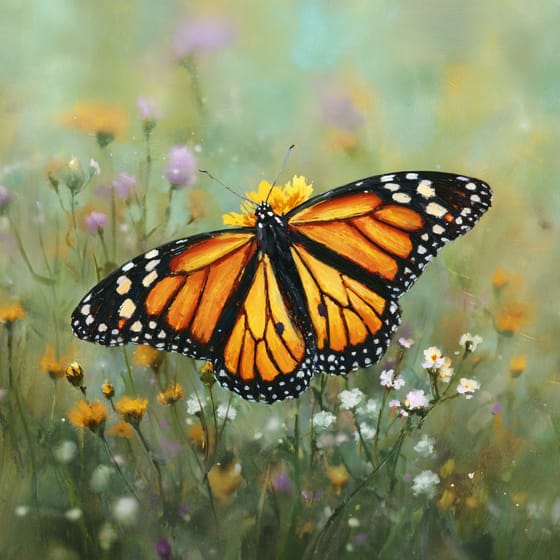
Danaus plexippus
Feeds on nectar, aiding the plant's reproduction
Papilio polyxenes
Visits flowers for nectar, carrying pollen between them
Apis mellifera
Collects nectar and pollen, transferring it between flowers
Ornamental plants are cultivated primarily for their aesthetic appeal, enhancing landscapes and gardens with their attractive foliage, flowers, or form.
Cluster flowers are inflorescences where individual flowers are arranged closely together on a common stem.
Summer blooming plants produce their flowers during the summer season, often providing vibrant color when many other plants have finished.
Fragrant flowers emit a pleasant aroma, often to attract pollinators or for defense.

Colorful describes organisms or objects displaying a wide range of bright and distinct colors.

Describes plants that are particularly attractive and beneficial to a wide range of pollinating organisms.

This habitat trait identifies species found in wetlands, which are areas of land saturated with water, either permanently or seasonally, including marshes, swamps, and bogs.
No aliases listed yet.
Danger
1/5 · Very low
Always look but don't touch flowers without asking an adult.
The easiest way to identify Betonyleaf Mistflower is to use the Snappit nature identifier app.
30-90 cm
30-60 cm
1.5-3 cm
Late summer to fall
No
None
Perennial
Zoom in to split clusters and explore where this object has been snapped.
Recent snaps will appear here as new observations are added.
Take the discovery with you
Snap it with Snappit to identify it, learn what makes it special, and add the discovery to your collection.








.jpg&width=800)


_001.jpg&width=800)




