.jpg&width=800)





Tall Thistle
cirsium altissimum
The Tall Thistle is a tall and spiky plant that loves to grow in sunny places. Its beautiful purple flowers attract many butterflies and bees, making it a fun sight in the wild!
Habitat: Tall Thistles thrive in sunny fields, meadows, and along roadsides.
The Tall Thistle is a remarkably tall plant, often reaching over 8 feet, with a sturdy, usually unbranched stem. It has large, deeply lobed leaves covered in sharp spines, and distinctive purple-pink, bristly flower heads that bloom atop the stem.
Category
PlantsRarity
Common
Danger
1/5 · Very low
Snaps
1
Despite its prickly appearance, its young stems and roots are edible after careful preparation.
Goldfinches love to feast on the fluffy seeds of Tall Thistle, often seen clinging to the stalks.
Its seeds have fluffy parachutes, allowing the wind to carry them far and wide to new growing spots.
The "fluff" from its mature seeds can be used by birds to line their nests, providing warmth.
Tall Thistle has sharp spines that deter hungry animals from eating its leaves and stems.
Its long taproot helps Tall Thistle reach deep underground water, allowing it to survive dry periods.
Tall Thistle can grow incredibly tall, reaching high above other plants to capture plenty of sunlight.
Apis mellifera
Collects nectar and pollen from flowers.
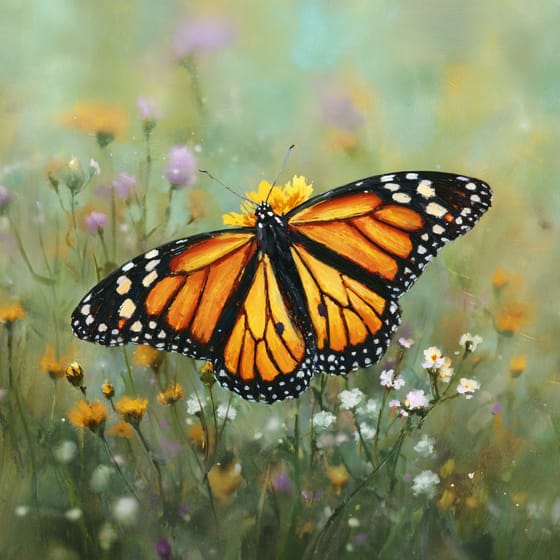
Danaus plexippus
Feeds on nectar, aiding in pollination.
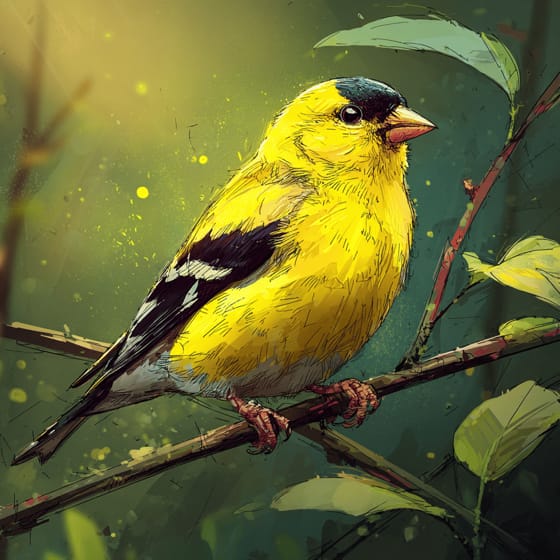
Spinus tristis
Feeds on the seeds, often clinging to stalks.
Bombus impatiens
Visits flowers for nectar and pollen.
Colorful describes organisms or objects displaying a wide range of bright and distinct colors.
Grassland habitats are terrestrial biomes dominated by grasses and herbaceous plants, supporting a variety of grazing animals.
This trait characterizes organisms whose diet consists entirely or primarily of plant material.
Diurnal animals are primarily active during daylight hours, typically resting or sleeping at night.

Describes organisms that transfer pollen, enabling the fertilization and reproduction of plants.
Danger
1/5 · Very low
No special safety notes yet.
The easiest way to identify Tall Thistle is to use the Snappit nature identifier app.
90-300 cm
30-60 cm
3-5 cm
Late summer to fall (Aug-Oct)
Yes
None
Perennial
Zoom in to split clusters and explore where this object has been snapped.
Take the discovery with you
Snap it with Snappit to identify it, learn what makes it special, and add the discovery to your collection.










.jpg&width=800)



_001.jpg&width=800)




