





Birch
Betula
Birch trees have white bark that peels like paper. They grow tall and have small, green leaves that turn yellow in the fall. Birch trees provide homes for birds and insects.
Habitat: Forests
The Birch is famous for its distinctive peeling bark, often bright white, silver, or sometimes bronze, with horizontal lines called lenticels. Its slender branches hold oval, toothed leaves that turn golden in autumn, making it stand out in any forest.
Category
TreesRarity
Common
Danger
1/5 · Very low
Snaps
Be the first to snap!
Ancient people used birch bark as one of the very first paper-like writing materials!
Birch sap can be tapped in spring to make syrup, tasting a bit like maple!
Birch wood is tough, flexible, and has been used to make everything from canoes to furniture!
Its papery bark is famously waterproof and can even light a fire when wet!
Birch has a multi-layered, papery bark that peels off, helping it shed parasites and grow without cracking.
Birch can grow quickly, allowing it to rapidly establish itself in open areas after disturbances like fires.
Birch produces tiny, winged seeds (samaras) that are easily carried by the wind to new locations to reproduce.
Scolytus betulae
larvae burrow into and feed on the inner bark
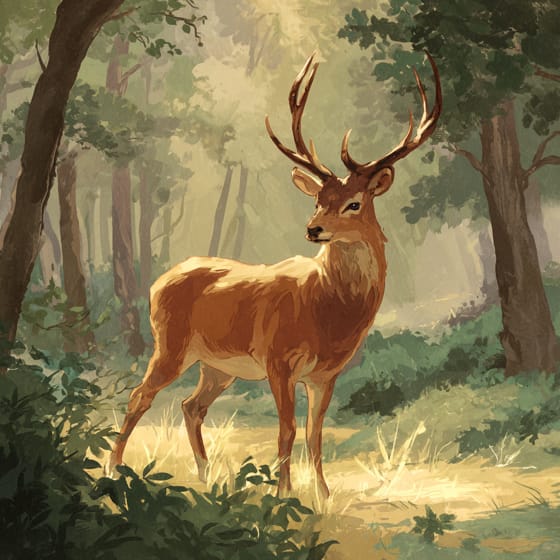
Cervus elaphus
browses on young twigs, leaves, and bark during winter
Fomes fomentarius
grows on decaying birch wood, helping decomposition
Bombus terrestris
visits birch catkins, collecting pollen in spring
This trait describes a symbiotic relationship between a fungus and the roots of a plant, benefiting both organisms.
Deciduous plants periodically shed all their leaves, typically during autumn or dry seasons.
Winter Interest refers to plants that provide aesthetic appeal through their foliage, bark, berries, or structure during the winter season.
Broadleaf trees are angiosperms characterized by flat, wide leaves that are typically shed annually in temperate climates.

Cold hardy plants are able to withstand low temperatures and freezing conditions without significant damage.

Forest habitats are terrestrial environments dominated by dense tree cover, supporting a high diversity of plant and animal life.
Danger
1/5 · Very low
Enjoy looking at birch trees from a safe distance and avoid climbing them.
The easiest way to identify Birch is to use the Snappit nature identifier app.
15-30 m
5-10 m
Yes
30-60 cm
50-150 years
Forests
Samara
Zoom in to split clusters and explore where this object has been snapped.
Recent snaps will appear here as new observations are added.
Take the discovery with you
Snap it with Snappit to identify it, learn what makes it special, and add the discovery to your collection.









