





blue mistflower
Conoclinium coelestinum
The blue mistflower is a lovely plant with fluffy blue flowers that bloom in late summer and fall. It attracts butterflies and bees, making gardens colorful and lively!
Habitat: Urban areas
The blue mistflower has fuzzy clusters of disk flowers in a vibrant lavender-blue to violet hue, creating a soft, misty appearance. Its unique color and texture make it stand out from typical green foliage, especially when massed.
Category
PlantsRarity
Common
Danger
1/5 · Very low
Snaps
15
Early American settlers sometimes used this plant for its medicinal properties!
Its flower color can sometimes look more purple, depending on the sunlight!
Its fuzzy blue-purple blooms are like a welcome mat for hungry butterflies!
This plant is a distant cousin to sunflowers, both are in the large Aster family!
The blue mistflower can attract a huge variety of butterflies and bees, providing vital nectar in late season.
This plant has creeping rhizomes that help it spread easily, forming lovely patches and stabilizing soil.
Blue mistflower has the ability to thrive in various soil types, from wet to somewhat dry, making it quite adaptable.
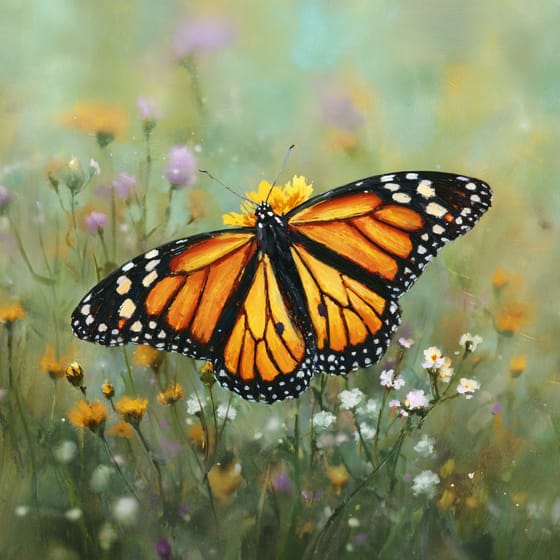
Danaus plexippus
Provides essential late-season nectar.
Apis mellifera
Collects nectar and pollen from its blooms.
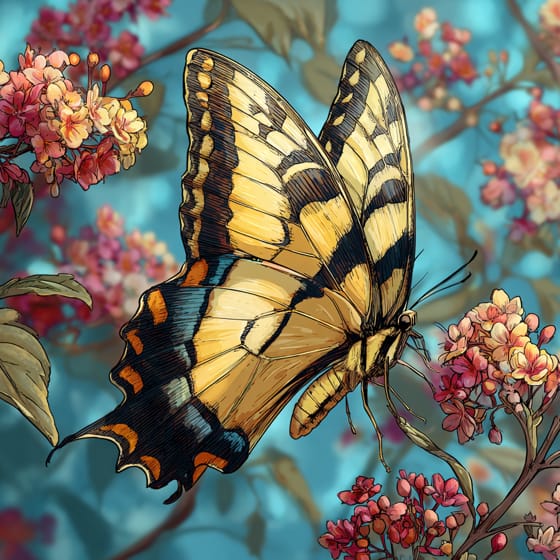
Papilio glaucus
Feeds on nectar, helping flower reproduction.

Bombus impatiens
An important native pollinator of its flowers.
Flowering plants are any plants that produce flowers as part of their reproductive cycle.
Cluster flowers are inflorescences where individual flowers are arranged closely together on a common stem.
Summer blooming plants produce their flowers during the summer season, often providing vibrant color when many other plants have finished.
Fragrant flowers emit a pleasant aroma, often to attract pollinators or for defense.

Colorful describes organisms or objects displaying a wide range of bright and distinct colors.

Describes plants that are particularly attractive and beneficial to a wide range of pollinating organisms.

This habitat trait indicates species that can coexist with humans in urban and suburban environments, utilizing man-made structures and green spaces.
Danger
1/5 · Very low
Always ask an adult before touching or picking flowers.
The easiest way to identify blue mistflower is to use the Snappit nature identifier app.
30-90 cm
30-60 cm
0.5-1.5 cm
Late summer to fall
No
None
Perennial
Zoom in to split clusters and explore where this object has been snapped.

Georgia, US
You might spot Gulf Fritillary, Anole, and American Beautyberry.
View guide →

Alabama, US
You might spot American Beautyberry, White-Tailed Deer, and Peppervine.
View guide →

Maryland, US
You might spot Common Pawpaw and Feather-Edged Petrophila.
View guide →

Louisiana, US
You might spot Mississippi River Wakerobin and Lyreleaf Sage.
View guide →

Virginia, US
You might spot Osage-Orange, Purple Finch, and Turkey.
View guide →

Tennessee, US
You might spot North American River Otter and Sand Tiger Shark.
View guide →
Take the discovery with you
Snap it with Snappit to identify it, learn what makes it special, and add the discovery to your collection.







.jpg&width=800)


_001.jpg&width=800)




