_Chloromyia_formosa.jpg&width=800)





Broad Centurion Fly
Chloromyia formosa
The Broad Centurion Fly is a colorful insect that loves to buzz around flowers. With its shiny green body, it looks like a tiny superhero of the garden!
Habitat: Urban areas
The Broad Centurion Fly is a jewel-toned insect with a brilliant metallic green or blue-green body, often shimmering with coppery hints. It has a noticeably broad abdomen and striking reddish-yellow legs and antennae. Its large, prominent eyes add to its distinct appearance.
Category
InsectsRarity
Common
Danger
1/5 · Very low
Snaps
Be the first to snap!
Baby Broad Centurion Flies are tiny maggots that munch on dead leaves underground.
Broad Centurion Flies help pollinate flowers while sipping on their sweet nectar.
Its amazing metallic body makes it look like it's wearing shiny green armor!
Its scientific name, Chloromyia formosa, means 'beautiful green fly' in Latin!
Broad Centurion Fly can hover perfectly in mid-air because of its agile wings, which helps them feed on flowers.
Broad Centurion Fly has larvae that eat decaying plants, which helps them clean up the environment like tiny recyclers.
Broad Centurion Fly has a metallic sheen that helps them blend into sunny, leafy environments or deter predators.
Adults drink flower nectar, while their larvae are important decomposers, eating decaying plants.
Age differences: Larvae feed on decaying plant material in soil or compost, while adults exclusively drink nectar and pollen from flowers.

Bellis perennis
Adults visit daisies for nectar and pollen.
Cyanistes caeruleus
Adult flies are a food source for insect-eating birds.
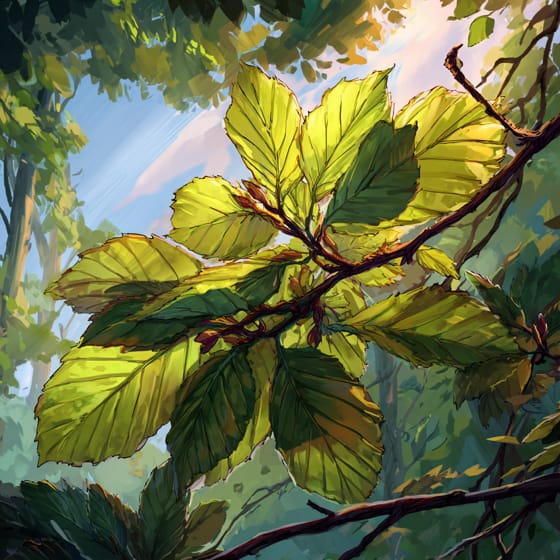
Fagus sylvatica
Larvae thrive in leaf litter from trees like beech.
Aerial creatures spend a significant portion of their lives airborne, utilizing flight for various activities such as hunting, migration, or nesting.
Colorful describes organisms or objects displaying a wide range of bright and distinct colors.
This trait characterizes organisms whose diet consists entirely or primarily of plant material.
Describes plants that are particularly attractive and beneficial to a wide range of pollinating organisms.

Diurnal animals are primarily active during daylight hours, typically resting or sleeping at night.

This trait identifies organisms that exhibit exceptional swiftness in movement for hunting, escape, or travel.

This habitat trait indicates species that can coexist with humans in urban and suburban environments, utilizing man-made structures and green spaces.

Describes organisms that transfer pollen, enabling the fertilization and reproduction of plants.
No aliases listed yet.
Danger
1/5 · Very low
These flies are harmless, but it's best to watch them from a distance.
The easiest way to identify Broad Centurion Fly is to use the Snappit nature identifier app.
10-18 mm
5-10 mm
14-30 days
12 km/h
Adults drink flower nectar, while their larvae are important decomposers, eating decaying plants.
Urban areas
Foraging
Zoom in to split clusters and explore where this object has been snapped.
Recent snaps will appear here as new observations are added.
Take the discovery with you
Snap it with Snappit to identify it, learn what makes it special, and add the discovery to your collection.







.jpg&width=800)



