





broadleaf arrowhead
Sagittaria latifolia
Broadleaf arrowhead is a fun plant that grows in wet areas like ponds and marshes. Its big, arrow-shaped leaves are easy to spot and it produces pretty white flowers that attract butterflies!
Habitat: Wetlands
The broadleaf arrowhead has large, distinctively arrow-shaped leaves that can float or emerge upright from the water. Its small, three-petaled white flowers feature a prominent yellow center, blooming in whorls around a central stalk.
Category
PlantsRarity
Common
Danger
1/5 · Very low
Snaps
3
Did you know some call its edible tubers 'duck potatoes'?
Indigenous people called its tubers 'wapato,' a crucial starchy food source.
Its tiny, round seeds are covered in ridges, helping them float for long journeys!
Muskrats, beavers, and waterfowl dig up and feast on its energy-rich tubers!
Broadleaf arrowhead can thrive in watery habitats thanks to its ability to grow fully submerged, emergent, or with floating leaves.
Broadleaf arrowhead has starchy tubers that grow underground, storing energy and allowing it to survive harsh conditions and reproduce.
Broadleaf arrowhead can disperse its small, winged seeds by water currents, allowing it to spread to new wetland areas effectively.
Anas platyrhynchos
Ducks love to forage for its nutritious tubers in mud.
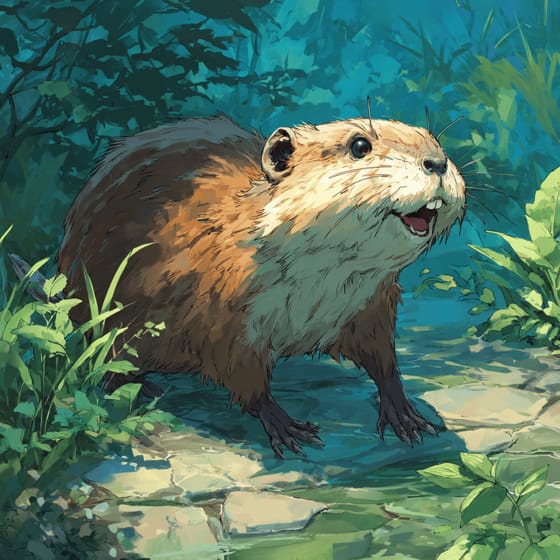
Ondatra zibethicus
Muskrats consume its starchy tubers and rhizomes.
Apis mellifera
Honey bees visit its flowers for nectar and pollen.
Bombus impatiens
Bumblebees help pollinate its white summer flowers.
Deciduous plants periodically shed all their leaves, typically during autumn or dry seasons.
Flowering plants are any plants that produce flowers as part of their reproductive cycle.
Summer blooming plants produce their flowers during the summer season, often providing vibrant color when many other plants have finished.
Edible plants are those parts of a plant that are considered safe for human consumption.

Describes plants that are particularly attractive and beneficial to a wide range of pollinating organisms.

This habitat trait identifies species found in wetlands, which are areas of land saturated with water, either permanently or seasonally, including marshes, swamps, and bogs.

Freshwater habitats include non-saline aquatic environments such as rivers, lakes, ponds, and wetlands, vital for numerous species.

Aquatic habitats encompass environments where organisms live predominantly in water, including oceans, rivers, lakes, and wetlands.
No aliases listed yet.
Danger
1/5 · Very low
Always wash your hands after touching plants, just to be safe!
The easiest way to identify broadleaf arrowhead is to use the Snappit nature identifier app.
30-150 cm
30-90 cm
1-3 cm
July-September
Yes
None
Perennial
Zoom in to split clusters and explore where this object has been snapped.

New Hampshire, US
You might spot Wood Nettle and Water Chickweed.
View guide →

New Hampshire, US
You might spot Hackberry Emperor, Tansy, and Wood Nettle.
View guide →

West Virginia, US
You might spot Wide Leek, Eastern Newt, and Golden Ragwort.
View guide →

Illinois, US
You might spot Painted Turtle, Red-Tailed Hawk, and American Herring Gull.
View guide →
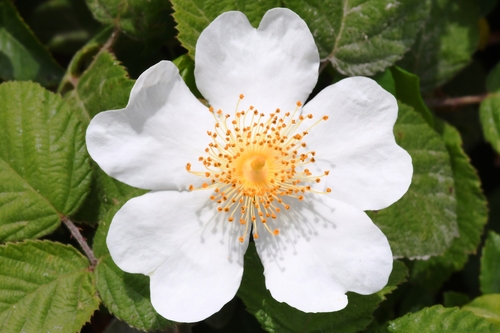
Virginia, US
You might spot Roses, Onions, and Broadleaf Arrowhead.
View guide →
Take the discovery with you
Snap it with Snappit to identify it, learn what makes it special, and add the discovery to your collection.







.jpg&width=800)



_001.jpg&width=800)



