





Broadleaf Speedwell
Veronica teucrium
Broadleaf Speedwell is a small plant with broad, green leaves and pretty blue flowers. It often grows in gardens and fields, making it a lovely sight in spring and summer.
Habitat: Grasslands
The Broadleaf Speedwell has upright stems with hairy, saw-toothed leaves. Its vibrant blue to violet-blue flowers bloom in long, slender clusters from the leaf axils, making it stand out in meadows compared to other small wildflowers.
Category
PlantsRarity
Common
Danger
1/5 · Very low
Snaps
Be the first to snap!
Its scientific name, Veronica, might come from the legend of Saint Veronica!
Look closely! Its tiny flower petals often have darker blue lines.
People sometimes brew its leaves to make a healthy, earthy tea.
This plant can grow happily even in tough, poor soil conditions!
Broadleaf Speedwell can quickly form dense mats, helping it outcompete other plants and cover ground effectively.
Broadleaf Speedwell has bright blue flowers that act like a beacon for busy bees, ensuring its seeds are made.
Broadleaf Speedwell has leaves packed with vitamins, which historically helped people with coughs and other ailments.
Apis mellifera
visits flowers for nectar and pollen
Bombus impatiens
collects nectar and pollen from blooms
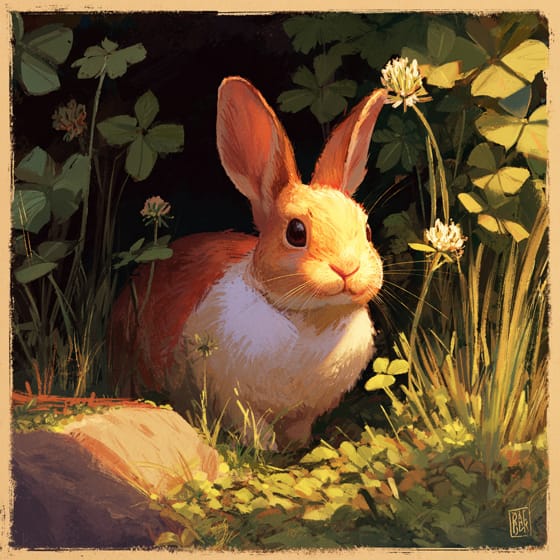
Oryctolagus cuniculus
browses on its leaves and stems
Flowering plants are any plants that produce flowers as part of their reproductive cycle.
Spring blooming plants produce their flowers during the spring season, often signifying the end of winter and the start of new growth.
Summer blooming plants produce their flowers during the summer season, often providing vibrant color when many other plants have finished.
Edible plants are those parts of a plant that are considered safe for human consumption.

Grassland habitats are terrestrial biomes dominated by grasses and herbaceous plants, supporting a variety of grazing animals.

Describes plants that are particularly attractive and beneficial to a wide range of pollinating organisms.

Describes organisms that transfer pollen, enabling the fertilization and reproduction of plants.
No aliases listed yet.
Danger
1/5 · Very low
Always check with an adult before touching or picking plants.
The easiest way to identify Broadleaf Speedwell is to use the Snappit nature identifier app.
10-50 cm
15-45 cm
0.5-1 cm
Late spring to early summer
Yes
None
Perennial
Zoom in to split clusters and explore where this object has been snapped.
Recent snaps will appear here as new observations are added.
Take the discovery with you
Snap it with Snappit to identify it, learn what makes it special, and add the discovery to your collection.








.jpg&width=800)



_001.jpg&width=800)



